

Ethereum has grown into one of the most used blockchain networks, but heavy activity created a need for faster and cheaper solutions. This is where Layer-2 systems entered the picture. Over the past few years, Layer-2 networks have developed into independent economic zones running on top of Ethereum. They handle large transaction loads, reduce cost, and expand what developers can build. As these networks grow, a new category of digital assets—Layer-2 tokens—has become an influential force across the industry. These tokens do more than power transactions. They represent the economic value of entire scaling systems. Their rise is shaping how users, developers, and businesses interact with crypto, and they are now a central topic in crypto token development.
This blog explores how Ethereum Layer-2 tokens are building stronger economies, why they matter, and how their growth is changing the wider crypto landscape. It also covers how businesses and a Token Development Company fit into this expanding environment.
Understanding the Need for Ethereum Layer-2 Networks
Ethereum has always faced a challenge. Demand grows faster than the base layer can handle. During periods of high activity, transaction fees increase and processing waits become longer. Developers understood that the base chain could not carry every use case. To handle larger volumes without compromising security, Ethereum needed scaling solutions.
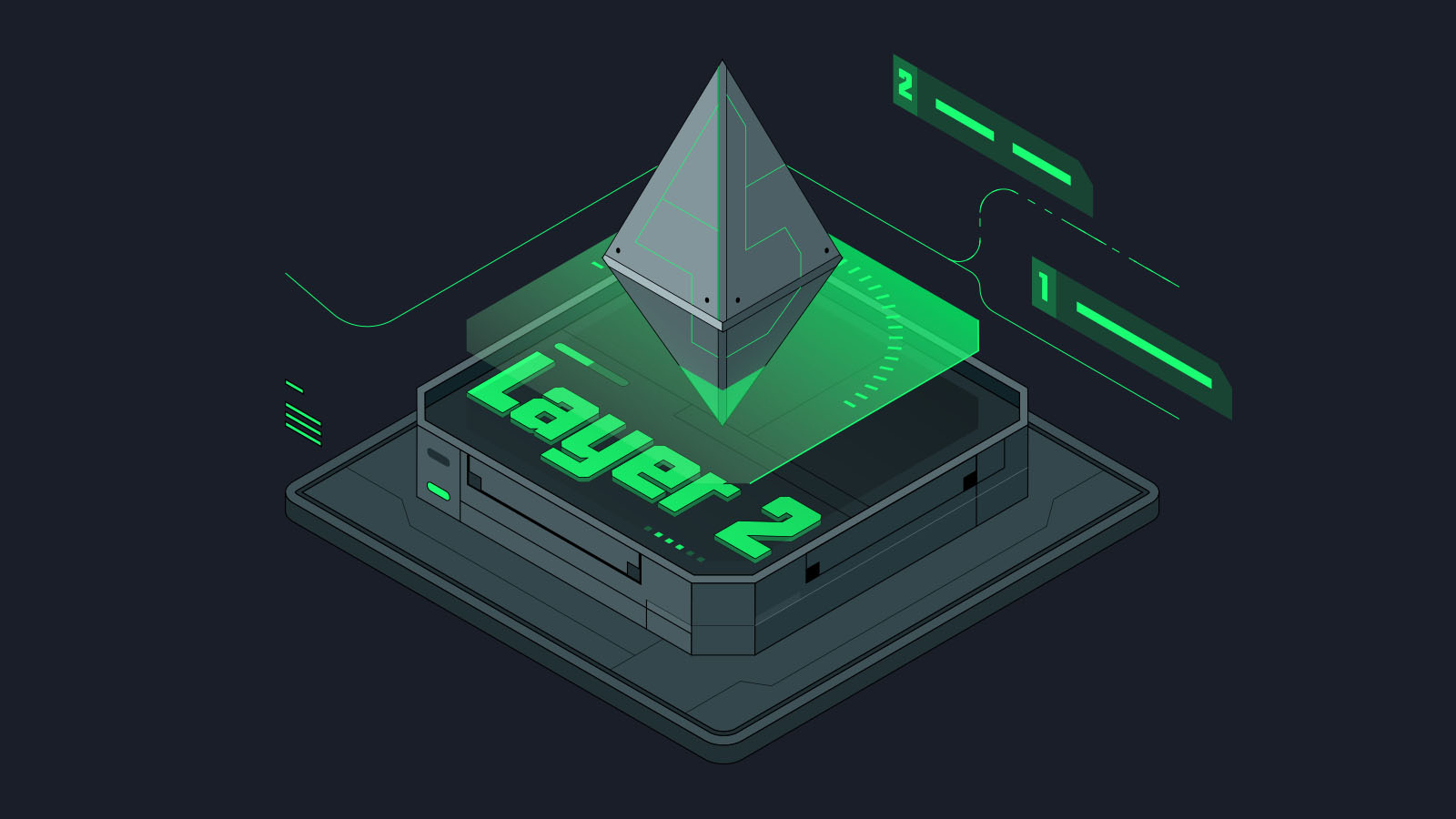
Layer-2 networks solve these issues by completing transactions outside the main chain while still relying on Ethereum for security. They batch large sets of transactions, compress the data, and post it back to Ethereum. This structure allows them to maintain security while achieving much higher speed and lower cost. Today, these networks process far more transactions than the main chain, showing that users are willing to move activity to Layer-2 when it becomes more efficient.
The important part is that each Layer-2 network now runs its own ecosystem. They have applications, users, liquidity, and governance systems. As usage grows, their native tokens become central to managing activity and securing long-term growth.
What Makes Layer-2 Tokens Different
Layer-2 tokens represent the economic and governance value of an L2 network. Unlike general ERC-20 assets, these tokens are usually tied directly to the operational needs of the network. They support staking, pay for transaction fees, enable voting, or help manage fraud-proof and validity systems.
They also play a role in building user participation. Many networks use token incentives to attract new users or increase liquidity. With more users, the value of the network grows, creating a cycle of adoption. Each Layer-2 design uses its tokens differently, but the overall purpose remains consistent: the token strengthens network performance and gives users a way to participate in decision-making.
For developers working in crypto token development, Layer-2 tokens introduce new technical and economic design options. A Token Development Company can build systems around faster transactions, cheaper deployment, and lower operational cost. This lets projects experiment without facing the limitations found on the base layer.
How Layer-2 Economies Are Growing
Ethereum Layer-2 networks have seen constant expansion. The number of users, transactions, and deployed applications keeps rising as more builders adopt these scaling solutions. The growth can be seen in several ways that show how deeply L2 networks are influencing the ecosystem.
First, transaction volume on L2 networks has increased massively compared to earlier years. As more decentralized exchanges, gaming applications, and social platforms move to L2, daily activity continues to climb. Users can send funds for a small fee and interact with applications at a pace that feels more aligned with mainstream expectations.
Second, liquidity across Layer-2 networks continues to expand. More decentralized finance platforms now operate directly on L2, pulling liquidity away from the main chain. When users see that fees are lower and confirmation times are quicker, they move funds where activity is easiest.
Third, new applications are choosing to launch only on Layer-2 networks rather than on Ethereum itself. This is a major shift. Earlier, developers built on the main chain first. Today, many start directly on L2 because the environment is more efficient. This movement shows how Layer-2 ecosystems have become credible alternatives for large-scale application launches.
Finally, the number of Layer-2 tokens continues to grow as networks mature. These tokens create internal economic systems that drive long-term stability. With strong user participation, these tokens help maintain the entire Layer-2 infrastructure.
Why Layer-2 Tokens Are Becoming Valuable
The value of Layer-2 tokens comes from the growing importance of the networks they represent. Several factors explain why they are gaining attention:
They power a fast and scalable environment
As user activity grows, Layer-2 networks become more important for handling everyday transactions. Their tokens often support essential functions like paying for gas, staking, or securing the network.
They are tied to real network usage
When more applications and users interact with a Layer-2 network, demand for its token increases. This connection between utility and demand sets them apart from general digital assets that may not have clear use cases.
They support governance
Layer-2 tokens commonly give holders the ability to vote on network upgrades, fee adjustments, or incentive structures. This creates an active decision-making community that can guide long-term growth.
They attract new developers
With low fees and faster settlement, Layer-2 networks are ideal environments for testing new token models. This encourages projects to experiment, increasing demand for developer and business support from a Token Development Company.
The Role of Layer-2 Tokens in Decentralized Finance
Decentralized finance continues to move toward Layer-2. Lower fees make trading, borrowing, lending, and liquidity farming more accessible. This also enables smaller investors to participate. Earlier, high transaction fees prevented small-value operations on Ethereum. But with Layer-2 networks, the entry barrier drops significantly.
Layer-2 tokens support this expansion. They fuel the exchange of assets, pay for transactions, and help applications operate efficiently. Many DeFi protocols now rely on Layer-2 throughput to function at scale. Some networks even design incentive programs around their tokens to reinforce liquidity and attract long-term users.
As DeFi activity spreads across multiple Layer-2 systems, the value of their respective tokens increases. Each network establishes a strong identity tied to its token, which becomes the center of economic and governance activity.
The Impact on Developers and Businesses
The rise of Layer-2 networks has changed how projects think about building on Ethereum. For businesses, speed and cost matter. Launching on the main chain can be expensive and slow, especially for applications designed for high user volume. Layer-2 solves this problem.
Developers now can create tokens, NFTs, decentralized applications, and smart contracts on a Layer-2 network with dramatically lower deployment cost. Many businesses choose L2 environments as their primary platform because testing and scaling become easier.
This shift also increases demand for professional support in crypto token development. A Token Development Company can help businesses build on Layer-2 networks with tools that support fast operations and predictable cost. From token launches to DeFi protocol development, Layer-2 networks create a more flexible and scalable environment.
How Layer-2 Networks Influence Ethereum’s Future
Layer-2 networks are becoming essential to Ethereum’s future. As more activity moves to these scaling systems, the base layer becomes a settlement layer rather than a general-use chain. This reduces congestion and improves long-term network health.
The growing focus on Layer-2 also speeds up Ethereum’s development timeline. With more processing handled externally, the network can focus on upgrades that strengthen security, data availability, and interoperability. This shift creates a strong system where Ethereum remains the foundation while Layer-2 networks handle most of the execution.
For tokens, this means that Layer-2 assets will likely become more important. As their ecosystems expand, they may influence user flows across multiple networks. Developers will continue to build token systems that suit Layer-2 environments, and businesses will rely on these solutions for application development.
The Strategic Role of Crypto Token Development in the L2 World
Crypto token development is evolving. The demands of Layer-2 environments shape how new tokens are created and maintained. Developers must optimize for speed, low fees, and compatibility with existing infrastructures.
Layer-2 networks allow more complex token logic, including dynamic supply models, incentive structures, and cross-chain functionality. These features support new economic systems that were harder to manage on the main chain.
For organizations entering the space, working with a Token Development Company ensures that token systems are efficient, secure, and adaptable across multiple Layer-2 networks. Businesses can launch tokens that work seamlessly with existing L2 infrastructures, allowing them to participate in expanding ecosystems.
Economic Expansion Through Layer-2 Interoperability
One of the biggest advantages of Layer-2 networks is that they can communicate more easily compared to older blockchain systems. Bridges, shared standards, and synchronized upgrades reduce friction between networks. This means tokens can move across multiple systems without losing functionality.
This cross-network movement encourages liquidity flow. When users can easily transfer tokens between Layer-2 platforms, markets operate more smoothly. Developers can also build applications that rely on assets from multiple networks. This strengthens the economic fabric of the entire Layer-2 ecosystem.
Interoperability amplifies the value of Layer-2 tokens. They become part of a broader system rather than isolated digital assets. As networks share liquidity, user bases, and application functionality, Layer-2 tokens gain wider utility and resilience.
Challenges Layer-2 Tokens Still Face
Despite their growth, Layer-2 tokens face several challenges that must be addressed for long-term adoption.
The first challenge is fragmentation. The number of Layer-2 networks continues to increase, which can spread users and liquidity across many systems. While this supports innovation, it also creates competition that may slow individual network growth.
Another challenge is user experience. Moving assets between networks still requires multiple steps, and some processes can be slow. Simplifying the movement of tokens will help Layer-2 networks attract mainstream users.
Security is another key area. While Layer-2 networks rely on Ethereum, they also maintain their own operational systems. These systems must remain secure to protect user funds and maintain trust.
Even with these challenges, Layer-2 networks continue to expand because the benefits outweigh the obstacles. As technology improves, many of these issues will become easier to manage.
Conclusion
Ethereum Layer-2 networks have transformed the crypto landscape by offering faster, cheaper, and more scalable environments. Their tokens play a central role in powering these systems, shaping governance, and supporting economic growth. With more users, developers, and businesses moving to Layer-2, these networks are becoming essential to Ethereum’s long-term expansion.
Layer-2 tokens represent more than digital assets. They are economic tools that support entire ecosystems. Their rise is influencing how applications are built, how liquidity moves, and how the network evolves. As interest in crypto token development grows, businesses and developers can take advantage of Layer-2 opportunities to build scalable and efficient solutions.
A Token Development Company can guide projects through this new environment, ensuring that token systems work smoothly across Layer-2 platforms. As adoption increases, Layer-2 economies will continue to reshape the future of crypto.