



If you’re an immigrant or visa holder navigating the complexities of U.S. immigration, understanding your alien registration number (A-number) is essential. This unique identifier plays a critical role in your interactions with U.S. Citizenship and Immigration Services (USCIS), but many people are unsure whether it appears on their passport. In this article, we’ll clarify where your A-number can be found, explain its significance, and provide actionable tips to manage it effectively.
What Is an Alien Registration Number?
Your alien registration number (A-number) is a unique seven- to nine-digit identifier assigned to non-citizens by USCIS.
Key Facts About the A-Number
- Format: Typically starts with “A” followed by 7–9 digits (e.g., A123456789).
- Purpose: Tracks immigration records, applications, and status.
- Usage: Required for forms such as Form I-485 (Green Card application), Form I-765 (Work Permit), and interactions with USCIS or immigration courts.
Tip: Keep a copy of your A-number in a safe place; you’ll need it for most immigration applications and correspondence.
Is the Alien Registration Number on Your Passport?
One of the most common questions among immigrants is whether the A-number is printed on their passport.
U.S. Passports vs. Foreign Passports
U.S. Passport: U.S. citizens do not have an A-number because it only applies to non-citizens.
Foreign Passport: Your alien registration number is not printed on your foreign passport either. Passports issued by other countries typically contain only your passport number, nationality, and other personal identifiers—not your USCIS A-number. Read detailed guide on alien registration number.
Where You Can Find Your A-Number
If it’s not on your passport, you can find your A-number in other official immigration documents:
- Green Card (Permanent Resident Card): The A-number is printed on the front side, usually under the USCIS number or “A#”.
- Employment Authorization Document (EAD): Your A-number is located under “USCIS#” on the card.
- Immigration Notices: Forms such as Form I-797 (Notice of Action) or approval letters from USCIS include your A-number.
- Immigration Court Documents: If you’ve interacted with an immigration court, your A-number will appear on court-issued papers.
Practical Tip: Always carry a document with your A-number, especially if you are filing immigration paperwork or traveling internationally.
Why Knowing Your A-Number Matters
Understanding and keeping track of your A-number is important for several reasons:
- Immigration Applications: Almost all USCIS forms require your A-number if you have one.
- Status Verification: The A-number allows USCIS officers and attorneys to access your complete immigration record.
- Avoiding Errors: Using the wrong A-number can delay applications or cause processing errors.
- Travel & Work Authorization: Your A-number links your passport, visa, and employment authorization documents in USCIS records.
Common Misconceptions About A-Numbers and Passports
- My passport shows my A-number.
✅ False. Passports, whether U.S. or foreign, do not include your A-number. It is always issued by USCIS.
- I can use my passport instead of my A-number for applications.
❌ False. USCIS requires the A-number to identify your immigration record accurately.
- I don’t have an A-number if I’m on a visa.
⚠️ Partially true. Some visa holders may not yet have an A-number (e.g., temporary visitors), but anyone with a green card, EAD, or immigration proceedings will have one.
Tips for Managing Your A-Number
- Store It Securely: Keep copies in a safe location, separate from your passport.
- Reference Correctly: Always enter it exactly as shown on your immigration documents.
- Check for Updates: If your status changes (e.g., from visa holder to permanent resident), your A-number stays the same, but ensure all documents reflect it.
- Seek Legal Advice if Lost: If you lose documents containing your A-number, consult an immigration attorney to avoid complications.
Conclusion
In summary, your alien registration number is not printed on your passport, but it’s a critical identifier for your immigration records and applications. You can find it on green cards, EADs, and official USCIS notices. Keeping track of your A-number ensures smoother interactions with USCIS and helps prevent errors in applications.
External Resources
For authoritative information on A-numbers, consider visiting:
U.S. Citizenship and Immigration Services (USCIS) – About A-Numbers




Dr. Aditya Chopra explains, “The mystery of why we haven’t yet found signs of aliens may have less to do with the likelihood of the origin of life or intelligence and have more to do with the rarity of the rapid emergence of biological regulation of feedback cycles on planetary surfaces.”Read the full science and space news here.
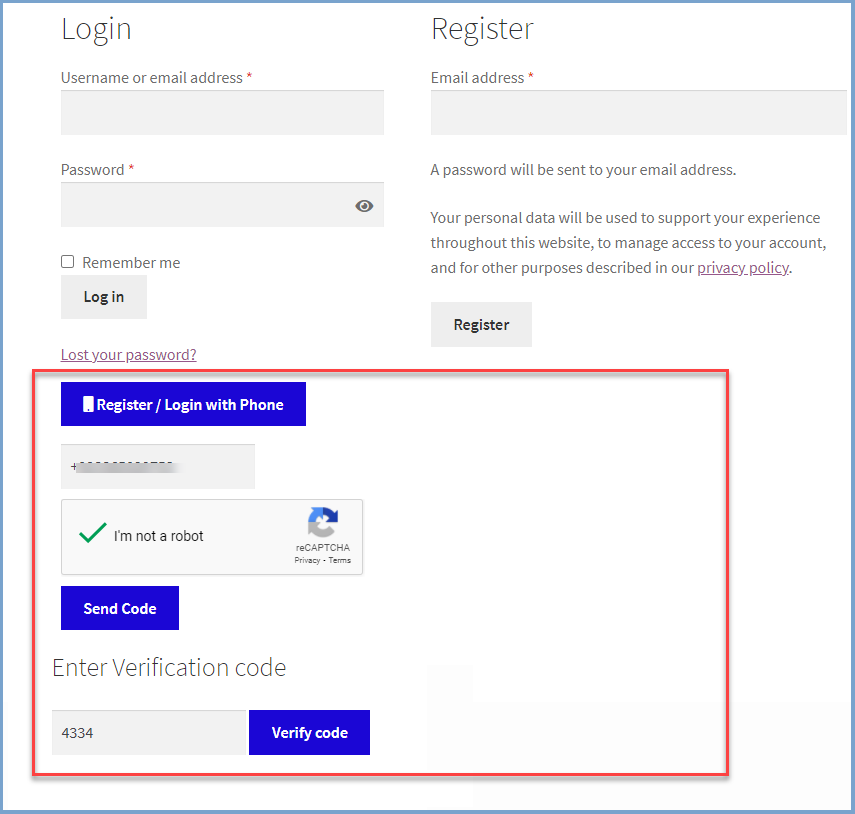
Lets control irrelevant traffic from store via registration on your store with woocommerce registration with phone number plugin.
You can hide old registration from.
Lengthy registration process redirect customers from stores.
Woocommerce mobile login plugin can helps to remove the need for passwords and usernames, thereby allowing the customer to easily keep track of store with just their mobile.