


Maintaining a clean, safe, and fully optimized warehouse in Sydney is crucial for smooth operations, regulatory compliance, and long-term productivity. In Sydney’s busy industrial and logistics hubs—where warehouses operate around the clock—dust, debris, oil, and contaminants build up quickly. If not managed properly, this accumulation can lead to serious workplace hazards, equipment failures, reduced efficiency, and even costly breaches of WHS regulations. A well-structured warehouse cleaning strategy isn’t just an optional routine; it’s a vital business requirement.
This ultimate guide provides a detailed, expert-backed approach to warehouse cleaning in Sydney, covering daily maintenance, deep-cleaning techniques, eco-friendly solutions, advanced technologies, and safety protocols. Whether you operate a small storage site or a large distribution center, this guide equips you with proven methods to maintain a cleaner, safer, and more efficient warehouse—helping your business stay compliant, productive, and ready to meet Sydney’s growing industrial demands.
1. Why Warehouse Cleaning Matters in Sydney
1.1 Enhancing Productivity & Operational Efficiency
A clean warehouse is the foundation of smooth and uninterrupted operations. When aisles are clear and clutter-free, forklifts and team members can move safely and efficiently, reducing costly slowdowns and preventing damage to inventory. Dust-free floors, shelving, and packing areas help maintain accurate inventory control, reduce picking errors, and promote seamless workflow across all departments. A well-maintained environment ultimately boosts overall productivity
1.2 Ensuring WHS Compliance & Minimizing Risk
Warehouses in Sydney must meet strict NSW Work Health & Safety (WHS) requirements. Regular cleaning plays a critical role in preventing:
slips, trips, and fall incidents
chemical or surface contamination
equipment breakdowns caused by dust and grime
blocked pathways and emergency exits
A structured cleaning program ensures your facility stays compliant during audits and inspections while reducing legal, financial, and operational risks.
1.3 Improving Air Quality & Protecting Workforce Health
Dust naturally accumulates in hard-to-reach areas such as ceilings, beams, rafters, vents, and ductwork. If neglected, it affects indoor air quality, visibility, and employee respiratory health. By cleaning high surfaces first, dust falls downward, allowing floor cleaning equipment to capture it efficiently. This top-to-bottom approach results in a healthier, cleaner, and safer working environment.
1.4 Increasing the Lifespan of Assets & Machinery
Dirt, grease, and corrosive residue accelerate wear and tear on machinery, racking systems, conveyor belts, and storage equipment. Regular cleaning and maintenance help prevent breakdowns, reduce repair costs, and extend the operational life of valuable assets. Clean equipment performs more efficiently, consumes less energy, and contributes to long-term operational stability.
1.5 Enhancing Business Reputation & Brand Image
A clean warehouse reflects strong management, operational discipline, and attention to detail. Whether clients, auditors, or business partners visit your facility, a spotless environment communicates professionalism, reliability, and trustworthiness. Consistently maintaining high cleaning standards helps strengthen your brand image and reinforces confidence in your company’s capabilities.
2. Understanding Your Warehouse Cleaning Requirements
2.1 Conduct a Comprehensive Site Assessment
Before implementing any cleaning strategy, conduct a full walkthrough of your warehouse to identify all key areas requiring attention. Evaluate:
High-traffic aisles and forklift pathways
Loading docks and dispatch zones
Storage racks, pallet shelving, and mezzanine levels
Break rooms, washrooms, and office spaces
Machinery zones, equipment stations, and conveyor systems
Ceilings, rafters, ductwork, vents, and other high-reach structures
A detailed assessment ensures you understand your warehouse’s layout, risk areas, and cleaning priorities — creating the foundation for an effective maintenance plan.
2.2 Divide the Warehouse Into Clearly Defined Cleaning Zones
Organizing your facility into cleaning zones makes maintenance more efficient and ensures no area is overlooked. Common warehouse cleaning zones include:
Forklift lanes and main aisles
Storage racks and pallet bays
Machinery rooms or production lines
Office and staff facilities (break rooms, restrooms)
Loading docks, receiving areas, and building exteriors
High-level infrastructure such as rafters, beams, and lighting
Each zone should have a specific cleaning frequency based on foot traffic, operational needs, and risk levels. This structured zoning approach improves consistency and reduces cleaning downtime.
2.3 Safety Planning & WHS-Compliant Risk Assessment
Safety must be a priority during warehouse cleaning. Before any cleaning task begins:
Schedule cleaning during low-traffic or non-operational hours
Use barricades, cones, and warning signage to restrict access
Ensure staff wear appropriate PPE (gloves, goggles, masks, safety footwear)
Follow NSW WHS standards for chemical handling and storage
Identify electrical hazards, slippery surfaces, and forklift routes
A proactive WHS-compliant safety plan protects your workers, minimizes accidents, and ensures regulatory compliance.
2.4 Perform an Equipment & Cleaning Product Audit
Evaluate whether your warehouse has the correct tools and cleaning agents to maintain industrial hygiene standards. Key equipment includes:
Industrial sweepers and ride-on/walk-behind scrubbers
HEPA-filtered vacuums for dust control and high-reach areas
Pressure washers for stubborn grime and concrete cleaning
Industrial degreasers for machinery and flooring
Spill kits for hazardous or liquid spills
Eco-friendly and low-toxicity cleaning solutions
Using the right equipment ensures efficiency, reduces labour time, and enhances cleaning quality across the entire facility.
3. Creating a Structured Warehouse Cleaning Schedule
A well-planned warehouse cleaning schedule ensures consistency, reduces downtime, and maintains compliance with Sydney’s WHS standards. Organizing cleaning tasks by frequency helps your team stay efficient while keeping all warehouse zones safe and operational.
3.1 Daily Cleaning Tasks
Daily tasks focus on preventing hazards and keeping high-traffic areas clean and functional. These tasks include:
Sweeping forklift lanes, high-traffic aisles, and loading docks to remove dust and loose debris
Spot-cleaning spills immediately using appropriate spill kits and signage
Emptying bins, waste containers, and recycling stations to avoid overflow and pest attraction
Wiping high-touch surfaces such as switches, rails, door handles, and equipment controls
Inspecting for trip hazards (loose packaging, straps, uneven surfaces) and addressing them promptly
Consistent daily cleaning helps maintain safety, hygiene, and operational flow.
3.2 Weekly Cleaning Tasks
Weekly tasks provide a deeper level of maintenance to prevent buildup and keep the warehouse environment compliant and organised:
Scrubbing floors using walk-behind or ride-on industrial scrubbers for grease and grime removal
Dusting pallet racks, shelving units, and mezzanines using a top-to-bottom approach
Deep-cleaning staff areas, including restrooms, lunchrooms, and office spaces
Inspecting for pest activity, sealing openings, and removing attractants
Weekly maintenance protects your facility from hygiene risks and structural deterioration.
3.3 Monthly Cleaning Tasks
Monthly cleaning focuses on machinery, infrastructure, and systems that require deeper attention:
Deep-cleaning machinery, conveyor belts, and equipment stations to prevent breakdowns and contamination
Pressure washing or steam-cleaning concrete floors to eliminate oil, tyre marks, and chemical residue
Cleaning vents, rafters, ducts, beams, and other overhead areas to improve air quality
Reviewing cleaning logs and adjusting schedules based on warehouse activity, WHS updates, or inspection findings
These tasks help maintain long-term operational efficiency and reduce maintenance costs.
3.4 Quarterly / Annual Cleaning Tasks
Quarterly and yearly tasks ensure full compliance, high hygiene standards, and optimal warehouse performance:
Complete warehouse deep-cleaning, including high-rise dusting, sanitization, and power washing
High-reach dusting of ceilings, lighting fixtures, and structural beams
Updating SOPs (Standard Operating Procedures) based on new WHS requirements or operational changes
Re-training staff on spill management, PPE usage, chemical handling, and emergency procedures
Conducting WHS and safety audits to identify risks and ensure compliance with NSW regulations
A structured quarterly and annual cleaning program keeps your warehouse audit-ready and future-proof.
4. Best Practices for Warehouse Cleaning in Sydney
Implementing proven cleaning practices helps Sydney warehouses maintain safety, efficiency, and long-term asset performance. The following best practices ensure your facility meets WHS standards while reducing operational risks.
4.1 Use Industry-Grade Tools & Equipment
Industrial environments require heavy-duty equipment for effective cleaning. Essential tools include:
Ride-on or walk-behind floor scrubbers for large concrete surfaces
HEPA-filter vacuums for fine dust control, especially in high-reach areas
Pressure washers or steam cleaners for stubborn grease, tyre marks, and grime
Extension dusting poles to clean rafters, beams, ducts, and overhead structures
Spill kits for oil, chemical, and liquid spills
Using the right equipment ensures faster, safer, and more efficient cleaning, reducing downtime and labour costs.
4.2 Choose Eco-Friendly & Low-Toxicity Cleaning Products
Modern Sydney businesses increasingly adopt sustainable cleaning practices to protect employees and the environment. Recommended options include:
Biodegradable degreasers
Plant-based disinfectants
Low-VOC (volatile organic compound) cleaning agents
Always label chemicals correctly, store them according to WHS guidelines, and train staff in safe handling procedures.
4.3 Follow a Top-to-Bottom Cleaning Approach
To maintain efficiency and prevent re-contamination, always clean from the highest surfaces down to the floors. Start with:
Rafters and beams
Ductwork and ventilation systems
Lighting fixtures and overhead pipes
Shelving, racks, and storage systems
Floors (cleaned last)
This ensures any falling dust or debris is captured at the end of the process, leaving the warehouse completely clean.
4.4 Maintain a Proper Spill Response System
Spills are common in industrial environments, so a quick and safe response is essential.
Train staff on spill response procedures
Use absorbent materials for chemical or oil spills
Wash the area with detergent and water after absorbents are removed
Mark the area with wet floor signage until dry
A strong spill management plan reduces accidents and ensures compliance with WHS guidelines.
4.5 Clean Machinery & Equipment Regularly
Cleaning industrial equipment prevents breakdowns and extends machinery lifespan.
Wipe down forklifts, pallet jacks, conveyors, and machinery surfaces
Disinfect high-touch points including handles, steering wheels, and control panels
Use compressed air for delicate machinery or hard-to-reach components
Well-maintained equipment performs better and reduces operational interruptions.
4.6 Provide Staff Training & Enforce Accountability
A successful cleaning program requires teamwork and discipline.
Assign zone leaders to supervise specific areas
Rotate cleaning duties to keep tasks fair and consistent
Maintain visible, updated cleaning schedules
Conduct regular inspections to ensure adherence to SOPs
Training and accountability create a strong cleaning culture across the warehouse.
4.7 Implement Effective Pest Prevention Measures
Pests can damage inventory, contaminate goods, and create safety risks.
Use sealed bins and enforce proper waste management
Conduct routine pest inspections
Seal cracks, gaps, and entry points
Repair leaks and eliminate moisture sources to prevent mould and pests
Proactive pest control reduces product loss and improves warehouse hygiene.
4.8 Utilize Modern Cleaning Technologies
New technologies help warehouses save time and achieve higher standards of cleanliness.
Automated floor scrubbers for fast and consistent cleaning
IoT-enabled task tracking systems to monitor schedules and cleaning performance
UV or electrostatic disinfection tools for deep sanitisation and hazard reduction
Adopting modern cleaning technologies ensures your facility stays competitive and compliant with future industry standards.
5. Safety & WHS Compliance for Sydney Warehouses
Safety is one of the most critical aspects of warehouse cleaning in Sydney. Complying with NSW WHS regulations not only protects workers but also shields businesses from legal penalties, downtime, and costly incidents. A well-structured safety framework ensures every cleaning task is performed correctly, safely, and in full compliance with industry standards.
5.1 Key Regulatory Requirements
Sydney warehouses must follow strict state and national regulations to maintain a safe working environment. This includes:
NSW Work Health & Safety (WHS) Act and Regulations
Proper chemical storage and labelling guidelines, ensuring all cleaning agents are stored in approved containers
Personal Protective Equipment (PPE) requirements, such as gloves, safety boots, respirators, eye protection, and high-visibility clothing
Emergency accessibility rules, ensuring all exits, fire extinguishers, first-aid stations, and evacuation routes remain unobstructed during cleaning
Failure to follow these regulations can result in fines, operational disruption, and increased workplace injury risks.
5.2 Effective Risk Management During Cleaning
Cleaning activities can introduce temporary hazards, so a proactive risk management strategy is essential. Best practices include:
Using signage, cones, and barricades to warn staff and visitors of wet floors or restricted areas
Applying lockout/tagout procedures during machinery cleaning to prevent accidental start-up
Scheduling cleaning tasks during low-traffic periods, such as after operating hours or shift changes
Conducting pre-cleaning assessments to identify slip hazards, electrical risks, or chemical concerns
Proper risk management reduces accidents and ensures cleaning activities do not interfere with warehouse operations.
5.3 Documentation, Reporting & Continuous Improvement
Accurate documentation supports compliance and helps create an efficient cleaning system. Businesses should:
Maintain detailed cleaning logs, outlining dates, tasks completed, chemicals used, and responsible staff
Update SOPs (Standard Operating Procedures) whenever warehouse layouts, equipment, or WHS regulations change
Conduct regular refresher training, ensuring staff remain informed about safe cleaning practices, chemical handling, and emergency procedures
Consistent record-keeping provides transparency during audits and contributes to continuous improvement in warehouse safety.
6. Benefits of Hiring Professional Warehouse Cleaners in Sydney
Hiring professional warehouse cleaners in Sydney can significantly improve the cleanliness, safety, and long-term performance of your facility. Expert cleaning teams bring specialized tools, trained staff, and proven cleaning methodologies that go beyond what in-house teams can typically deliver.
6.1 Expertise, Skill & Operational Efficiency
Professional cleaners are trained to handle large industrial environments and understand the unique challenges of Sydney warehouses. They use industrial-grade equipment, advanced cleaning techniques, and strategic workflows that maximize efficiency. This expertise ensures thorough cleaning in less time, minimizing interruptions to your daily operations.
6.2 Cost-Effectiveness & Reduced Overheads
Outsourcing warehouse cleaning can be more economical than managing it internally. Hiring professionals helps reduce:
Labour and overtime costs
Investment in expensive cleaning machinery
Employee training time and WHS compliance costs
You pay only for the services you need, allowing your team to focus on essential warehouse tasks instead of maintenance.
6.3 Consistent, High-Quality Cleaning Standards
Professional cleaning companies operate with structured checklists, quality control systems, and industry-approved procedures. This ensures every cleaning session delivers consistent and measurable results. Regular professional cleaning also helps maintain hygiene standards and prepares your warehouse for audits or client visits.
6.4 Access to Eco-Friendly & Advanced Cleaning Technology
Many Sydney cleaning providers offer environmentally friendly solutions and advanced cleaning technologies, including:
Green-certified cleaning agents
Low-VOC chemicals
High-efficiency equipment
Advanced sanitisation systems, such as electrostatic sprayers and UV disinfection
These modern solutions promote a healthier, more sustainable warehouse environment.
6.5 Lower Workplace Risks & Better WHS Compliance
Trained commercial cleaning teams understand WHS regulations, safe chemical handling practices, and hazard mitigation techniques. Their expertise helps reduce:
Slips, trips, and fall incidents
Chemical exposure risks
Machinery contamination
Non-compliance during WHS inspections
Professional cleaners help maintain a safe environment, protecting both employees and business operations.
7. Modern & Sustainable Trends in Sydney Warehouse Cleaning
As Sydney’s industrial and logistics sectors continue to grow, warehouses are adopting modern, sustainable cleaning technologies to improve efficiency, reduce environmental impact, and meet higher WHS and hygiene expectations. The following trends are shaping the future of warehouse cleaning in Sydney.
7.1 Eco-Friendly Industrial Cleaning Products
More warehouses are transitioning to environmentally responsible cleaning solutions that protect workers and reduce chemical exposure. These include:
Biodegradable industrial degreasers
Non-toxic, plant-based disinfectants
Low-VOC cleaning agents
Water-saving cleaning formulas
These sustainable products help businesses meet environmental commitments while maintaining high hygiene standards.
7.2 Robotic & Autonomous Floor Scrubbers
Automation is rapidly transforming warehouse cleaning. Modern facilities now use:
Robotic scrubbers that navigate large warehouse floors without human supervision
Autonomous sweepers capable of mapping and cleaning expansive spaces
Smart sensors that detect obstacles and optimise cleaning paths
These machines increase efficiency, reduce labour costs, and ensure consistent cleaning—even in 24/7 warehouse operations.
7.3 Digital Facility Management & Smart Monitoring Systems
Sydney warehouses are adopting digital tools to streamline cleaning workflows and improve accountability.
Popular technologies include:
IoT-enabled cleaning dashboards
Real-time task tracking systems
Digital cleaning logs and QR-coded checklists
Automated reporting tools for WHS compliance
These systems provide transparency, reduce errors, and ensure tasks are completed on schedule.
7.4 Advanced Disinfection: Electrostatic & UV Technology
To achieve hospital-grade hygiene standards, many warehouses now integrate advanced sanitisation technologies such as:
Electrostatic sprayers, which evenly coat surfaces with charged disinfectant particles
UV-C light disinfection systems, effective against bacteria, viruses, and mould
These technologies offer fast, efficient, and high-coverage sanitisation, making them ideal for warehouses handling food, pharmaceuticals, or sensitive inventory.
8. Common Warehouse Cleaning Challenges & Practical Solutions
Warehouse cleaning in Sydney comes with unique challenges due to operational demands, large spaces, and heavy equipment. Identifying these obstacles and applying targeted solutions ensures safety, efficiency, and compliance.
Challenge
Solution
Limited downtime
Schedule deep cleaning during off-peak hours, night shifts, or weekends to avoid disrupting warehouse operations. Consider breaking tasks into zones for manageable cleaning sessions.
High ceilings and hard-to-reach areas
Use HEPA-filtered vacuums, extension dusting poles, aerial lifts, or high-reach cleaning equipment to safely remove dust and cobwebs from rafters, beams, and vents.
Grease, oil, and chemical stains
Apply industrial-grade degreasers and pressure washers for stubborn stains. For sensitive areas, use eco-friendly solutions to reduce chemical hazards. Regular maintenance prevents buildup.
Dust accumulation
Implement a top-to-bottom cleaning approach, including high shelves, ducts, and ceiling fans. Use HEPA vacuums and microfiber cloths regularly to capture fine dust particles and improve air quality.
Staff resistance or non-compliance
Provide structured training, assign zone leaders, rotate responsibilities, and maintain visible cleaning schedules. Encourage accountability and recognise staff contributions to maintain motivation and consistency.
Frequently Asked Questions (FAQs)
How often should a warehouse in Sydney be cleaned?
It depends on traffic, usage, and risk areas. A typical schedule is daily sweeping and high-touch cleaning, weekly scrubbing and dusting, and monthly deep cleans.
What kind of cleaning equipment do I need for warehouse cleaning?
Key items include industrial sweepers, scrubbers, HEPA vacuums, pressure washers, extension poles, and proper cleaning solutions.
Are eco‑friendly cleaning products effective for industrial warehouses?
Yes. Many modern green disinfectants and degreasers are designed for industrial use and can be just as effective — plus safer for staff and the environment.
How do I manage cleaning while the warehouse is operational?
Use high-traffic management strategies: schedule during off-peak hours, set up signage or barricades, and assign dedicated cleaning zones.
What safety equipment should my cleaning staff wear?
Gloves, goggles, masks (if using chemical agents), non-slip footwear, and possibly harnesses for high-reach cleaning are recommended.
How can I prevent pest infestations in my warehouse?
Maintain good waste management, seal entry points, inspect regularly, and clean areas like storage, racks, and corners thoroughly.
Should I hire a professional cleaning company or use an in-house team?
If your warehouse is large, complex, or has strict hygiene/OSHA-like requirements, professional cleaners bring expertise, efficiency, and reliability.
What emerging cleaning technologies should I consider?
Autonomous cleaning robots, IoT systems to track cleaning tasks, electrostatic sprayers, and UV light disinfection are all trending in commercial spaces.
How can I maintain a cleaning culture among warehouse staff?
Use training, documented SOPs, rotating cleaning duties, incentive schemes, and visible cleaning logs to foster accountability.
How do I know if my cleaning efforts are working?
Conduct regular audits, track key performance indicators (e.g., number of spills, incidents, pest sightings), review cleaning logs, and adjust your cleaning plan accordingly.
Conclusion
Maintaining a clean and well-organized warehouse cleaning in Sydney is not just about aesthetics—it is essential for workplace safety, WHS compliance, operational efficiency, and a strong professional image. Implementing a structured cleaning plan, utilising high-quality industrial equipment, adopting eco-friendly cleaning solutions, and ensuring staff are properly trained—or hiring professional warehouse cleaning services—creates a safer and more productive environment.
By following the strategies outlined in this guide, warehouse managers can minimize risks, extend the lifespan of equipment, improve air quality, and maintain regulatory compliance, all while enhancing their facility’s reputation. Use this comprehensive guide as your blueprint to achieve a future-ready, efficient, and world-class warehouse that meets the evolving demands of Sydney’s industrial sector.


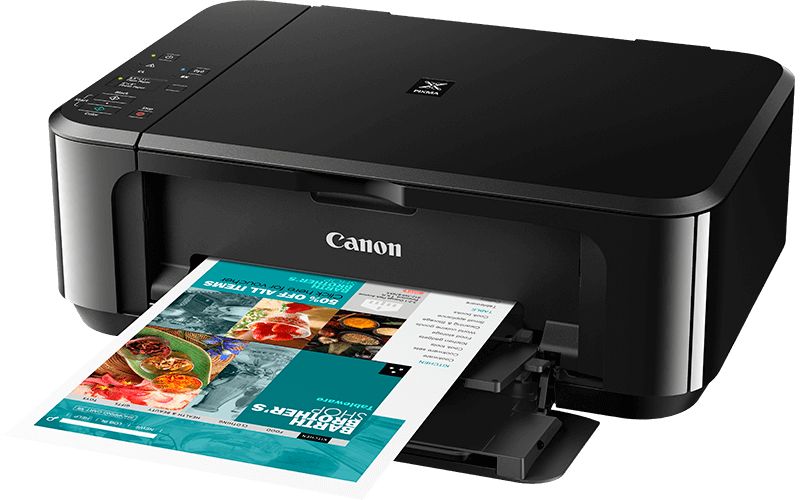
Com IJ Printer offers you the ultimate guide to Canon.com/ijsetup MG3620 online.
You can easily print and scan from your mobile devices.
Our experts will step-by-step guide regarding this process to our clients across the globe without any extra charges.