Ectopic pregnancy is a condition where the fertilized egg implants outside the uterus, most commonly in the fallopian tube. Although assisted reproductive technologies (ART) such as IVF are generally safe and effective, the chances of ectopic pregnancy may be slightly higher compared to natural conception. Understanding these risks helps couples take timely precautions and receive appropriate medical care.
Couples seeking assisted reproduction in Indore often have underlying fertility issues, and some of these conditions can increase the risk of ectopic pregnancy. Leading fertility centres, including Gada IVF and other reputed IVF centres in Indore, take special care to monitor early pregnancy and reduce complications.
Why Ectopic Pregnancy Happens in Assisted Reproduction?
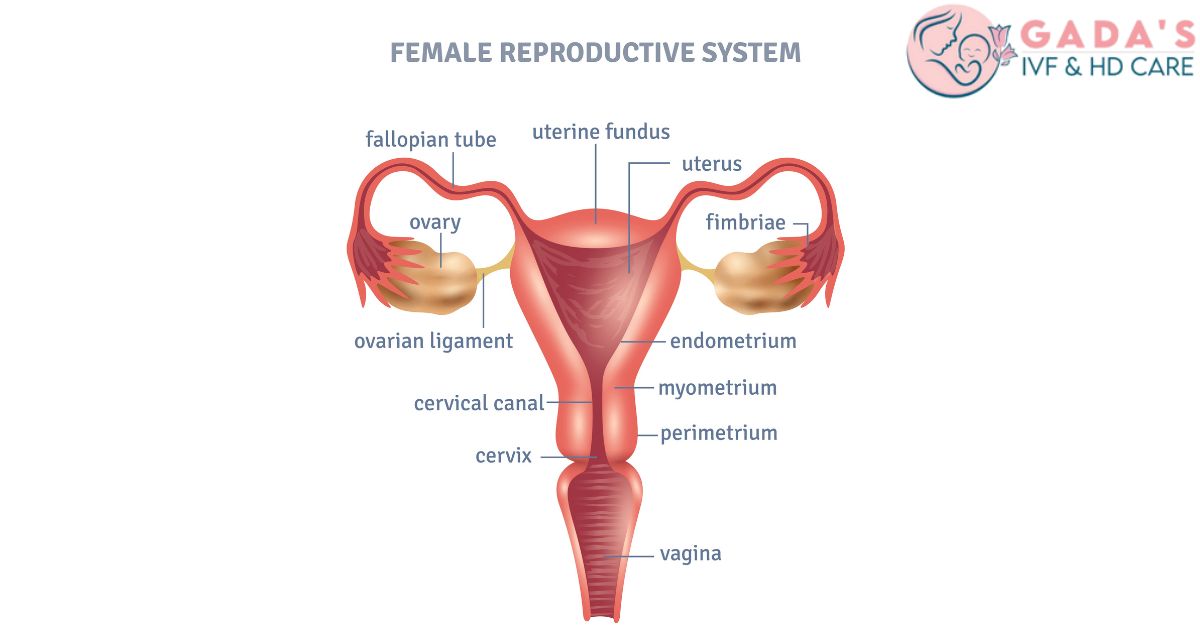
In natural conception, the embryo travels smoothly through the fallopian tube and implants inside the uterus. But in ART, fertilization happens outside the body, and the embryo is placed directly into the uterine cavity.
Even then, certain risk factors can cause the embryo to migrate back toward the tubes, leading to ectopic pregnancy.
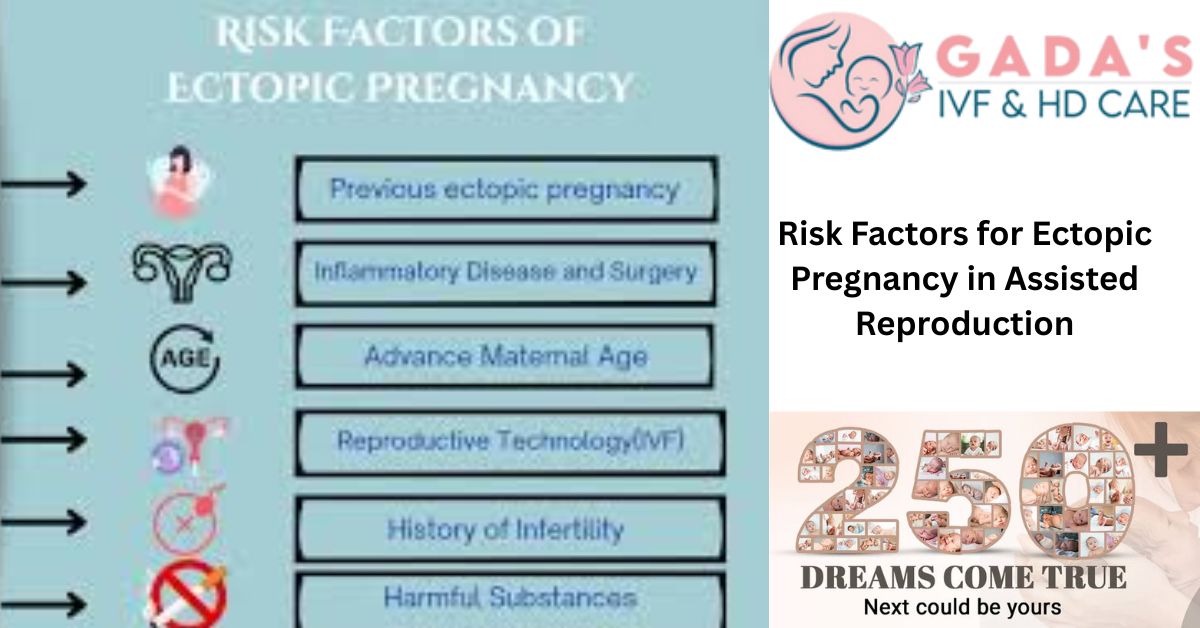
Key Risk Factors in Assisted Reproduction
1. Previous Tubal Damage
Women who have a history of:
Tubal infections (PID)
Tubal blockage
Tubal surgeries
Endometriosis
are at a higher risk. Damaged tubes make it easier for the embryo to get trapped and implant outside the uterus.
2. Hormonal Imbalance
High progesterone or other hormonal changes during IVF cycles can sometimes affect tubal motility, increasing the risk of ectopic implantation.
3. Embryo Transfer Technique
The expertise of the IVF specialist plays a significant role.
If the embryo is transferred too close to the tubal opening or if excessive pressure is applied during the transfer, it increases the chances of the embryo moving upward into the tubes.
This is why choosing an experienced IVF specialist at a trusted IVF centre in Indore is essential.
4. Multiple Embryo Transfer
Transferring more than one embryo increases the chance of:
Intrauterine pregnancy
Ectopic pregnancy
Heterotopic pregnancy (one embryo in the uterus and one in the tube)
Modern clinics like Gada IVF prefer single embryo transfers when possible to reduce risks and improve safety.
5. History of Ectopic Pregnancy
Women who have had one ectopic pregnancy have a 10–15% higher risk of recurrence, even with IVF.
6. Smoking & Lifestyle Factors
Smoking affects tubal function and increases the chance of abnormal implantation. Uncontrolled PCOS, obesity, and diabetes can also influence reproductive outcomes.
How IVF Centres Reduce This Risk?
Top fertility centres offering assisted reproduction in Indore follow strict protocols to reduce the chances of ectopic implantation:
High-quality ultrasound-guided embryo transfer
Avoiding deep catheter insertion
Single embryo transfer
Monitoring β-hCG levels and early scans
Treating tubal disease before IVF
Clinics like Gada IVF use advanced imaging technology, skilled embryologists, and modern protocols to ensure safer pregnancy outcomes.
Early Warning Signs You Should Never Ignore
Seek medical help immediately if you experience:
Lower abdominal pain
Shoulder pain
Spotting or bleeding
Dizziness
Sudden weakness
Early diagnosis through blood tests and ultrasound prevents complications.
Final Thoughts
Ectopic pregnancy is rare but possible in IVF and other ART methods. Understanding risk factors helps couples make informed decisions. With expert care, advanced technology, and close monitoring, centres offering assisted reproduction in Indore, including Gada IVF, ensure safe treatment and healthy pregnancy outcomes.