The future of healthcare is being built today with algorithms, not just stethoscopes. Hospitals and health systems across the world are turning to AI to solve long-standing challenges. From early diagnosis to smoother operations, AI development is changing how care is delivered, managed, and improved.
According to McKinsey, AI could generate up to $360 billion in annual value for the healthcare sector by streamlining workflows and improving outcomes. That figure speaks volumes. It shows that smart technology is quickly becoming a necessity.
Behind the scenes, AI models now read X-rays, predict disease risks, automate billing, and even assist in surgeries. But the impact goes deeper than automation. It is about making care faster, safer, and more accessible, especially when time and accuracy matter most.
This article explores the real, measurable benefits of AI development in healthcare, with practical examples and easy-to-understand insights. Whether you are a hospital executive, startup founder, or policy planner, you will see why AI is no longer a future vision. It is already making a difference today.
What is AI in Healthcare?
AI in healthcare refers to the use of computer systems that can learn from data and make decisions with minimal human input. These systems mimic human intelligence to solve problems, spot patterns, and make predictions. In a medical setting, this means faster diagnoses, personalized treatments, and fewer administrative delays.
At the core, AI development involves training models using large volumes of healthcare data. These models can include machine learning, natural language processing, computer vision, and even generative AI. Each plays a unique role in helping doctors, nurses, researchers, and hospital staff do their jobs better.
Some common uses of AI in healthcare include:
- Detecting diseases through medical imaging
- Recommending personalized treatment plans
- Automating patient scheduling and documentation
- Assisting in clinical decision-making
- Predicting patient deterioration or readmission risks
- Supporting drug discovery and clinical trials
Core Benefits of AI in Healthcare
AI is not just another tool in the healthcare toolbox. It is reshaping how medical professionals approach patient care, hospital operations, and long-term health planning. From improving clinical accuracy to enhancing patient experiences, the advantages of AI development are both immediate and far-reaching.
Below are eight key benefits that show how AI is driving real impact in healthcare today.
1. Faster and More Accurate Diagnoses
AI systems can analyze complex medical data faster than any human can. For example, image recognition models are now able to detect conditions like cancer, pneumonia, or fractures from X-rays and MRIs with expert-level accuracy.
In one study, Google Health’s AI model outperformed radiologists in breast cancer detection, reducing false positives and false negatives. This helps patients get the right diagnosis quickly, which leads to faster treatment and better outcomes.
By supporting doctors with high-accuracy insights, AI not only saves time but also adds a second layer of confidence to clinical decisions.
2. Personalized Treatment Plans
Every patient is different. AI makes it possible to create treatment plans that are tailored to individual needs, not just based on averages.
By analyzing a patient’s medical history, genetic profile, lifestyle, and even real-time health data from wearables, AI systems can recommend treatments that are more likely to work for that specific person.
For instance, in oncology, AI tools help doctors choose the best drug combination based on tumor genetics. In diabetes care, apps powered by AI adjust diet and medication plans based on blood sugar trends.
This level of personalization leads to better patient outcomes, fewer side effects, and higher treatment success rates.
3. Predictive Healthcare and Early Intervention
What if hospitals could treat a patient before symptoms even appeared? That’s the promise of predictive AI.
These tools analyze health records, lab results, wearable data, and lifestyle factors to flag potential risks. A spike in blood pressure, a drop in oxygen levels, or subtle changes in lab values might go unnoticed by the human eye but not by a well-trained algorithm.
For example, hospitals like Mount Sinai use AI to predict conditions like sepsis up to 48 hours earlier than traditional methods. This advance notice gives doctors a critical window to step in, preventing a crisis before it starts.
The result is simple but powerful: fewer emergencies, faster recoveries, and better use of hospital resources.
4. Reduced Administrative Burden
AI reduces the load of repetitive tasks that eat up valuable time in healthcare. Here's how it helps streamline operations behind the scenes:
- Automates documentation: AI tools convert voice notes and conversations into structured clinical records using natural language processing.
- Simplifies scheduling: Chatbots and virtual assistants handle appointments, reminders, and follow-ups with minimal human input.
- Speeds up billing and claims: AI systems can fill forms, flag errors, and match medical records with billing codes quickly and accurately.
- Cuts down paperwork time: Hospitals like Mayo Clinic now use AI scribes that reduce the hours doctors spend on writing notes.
5. Enhanced Medical Imaging and Analysis
Medical imaging is one of the biggest success stories in AI-powered healthcare. Tools trained on millions of scans can now detect tumors, fractures, brain bleeds, and lung infections with exceptional speed and accuracy.
Radiologists still make the final call, but AI acts like a second set of expert eyes. It highlights areas of concern, measures lesions, and compares images across time to track changes. This reduces diagnostic errors and speeds up review time, especially in high-volume hospitals.
For example, AI-assisted CT scan reviews have cut stroke diagnosis time by nearly 50 percent in some emergency departments. That speed can mean the difference between full recovery and lifelong disability.
With AI, medical imaging becomes more precise, more consistent, and much faster helping doctors focus on treatment, not just detection.
6. Support for Drug Discovery and Clinical Trials
Developing new medicines is time-consuming, risky, and expensive. AI is helping to speed up that process in several important ways:
- Molecule screening: AI models can scan through thousands of chemical compounds and predict which ones may be effective against a target disease.
- Target identification: It helps scientists discover how a disease works at the molecular level, leading to better treatment strategies.
- Clinical trial optimization: AI finds ideal patient groups for trials, improving success rates and reducing dropouts.
- Cost reduction: By automating trial monitoring and data analysis, AI cuts down the time and money spent on drug development.
- Faster time to market: With more accurate predictions and better patient matching, new treatments can reach approval sooner.
7. Improved Patient Engagement and Access to Care
AI makes healthcare more accessible, personalized, and responsive for patients. Here's how it enhances the overall experience:
- Virtual assistants: Chatbots answer health questions, book appointments, and guide patients through follow-up care 24/7.
- Remote monitoring: AI tools track vital signs using wearables and send alerts when something unusual is detected.
- Language support: AI translation tools help break language barriers, allowing patients to understand instructions clearly.
- Personalized reminders: Patients get timely notifications for medications, screenings, or lifestyle tips based on their health profile.
- Telehealth integration: AI powers smarter triage, directing patients to the right care whether online or in person.
- Mental health support: AI-driven apps offer guided therapy, stress tracking, and emotional check-ins for people who need ongoing support.
8. Better Population Health and System Planning
AI is not only transforming individual care but also helping healthcare systems plan for the bigger picture. By analyzing large-scale health data, AI can uncover trends, predict outbreaks, and identify at-risk groups across entire regions.
Public health agencies use AI to monitor disease patterns and forecast demand for resources like ICU beds, vaccines, or emergency services. Hospitals apply similar insights to optimize staffing, manage supply chains, and reduce overcrowding during seasonal surges.
For example, during the COVID-19 pandemic, AI tools helped governments and hospitals predict hotspots, manage testing, and plan vaccine distribution.
This kind of system-level intelligence leads to smarter decisions, faster responses, and healthier populations overall.
Conclusion
AI is no longer just a buzzword in healthcare. It is already working behind the scenes in labs, clinics, and hospitals to improve care, reduce errors, and support medical teams when every second counts.
From faster diagnoses to personalized treatments, from easing administrative overload to planning public health strategies, the benefits of AI development are both wide and deep. These tools are helping healthcare systems become more proactive, precise, and patient-centered.
To make the most of this potential, many hospitals and healthtech startups are now investing in the right AI development service that can create tailored solutions for their unique challenges and goals.
As AI continues to evolve, it will unlock new possibilities in genomics, mental health, rural care access, and more. The focus should remain on building ethical, transparent, and adaptable systems that deliver real value across diverse care settings.
Healthcare is not just being transformed. It is being reimagined, and AI is at the heart of that transformation.

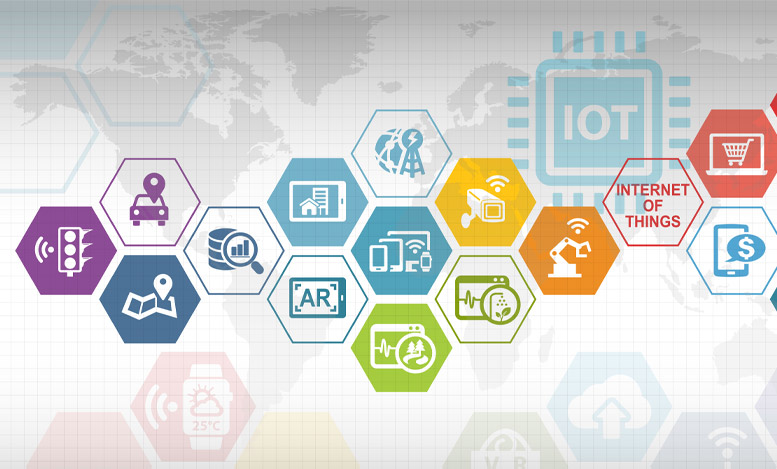
JDE provides some advanced technologies and tools that can help in transforming the healthcare facilities management in a better way.With the help of the Internet of Thing (IoT), more than one monitoring device can be connected, which enable you in real-time monitoring of the patients.Besides these, the devices can also transmit signals from home.
Hence, IoT helps the healthcare professional to be more connected and watchful with the patients.Here are some of the ways by which the IoT is helping the healthcare facilities management to be more proactive and attentive towards the patients:1.
Just with the use of the smart transmitter, you can monitor and send signals regarding your blood sugar level to the mobile device.Similarly, with the sensor-based intelligent system's help, you can follow the blood pressure level in the patients who are suffering from high blood pressure or hypertension.
Monitoring these can help to lower the risk of any critical cases.2.
Controlling Building Automation System (BAS)For many years now, different healthcare facilities have been using different high-tech systems such as building security, elevators, asset management, HVAC, etc.The IoT has made it easier for healthcare management by bring all these together in the cloud and integrating IT.
With the help of IoT, the information is transversed between the devices so that the entire process can function automatically without the need for human intervention.