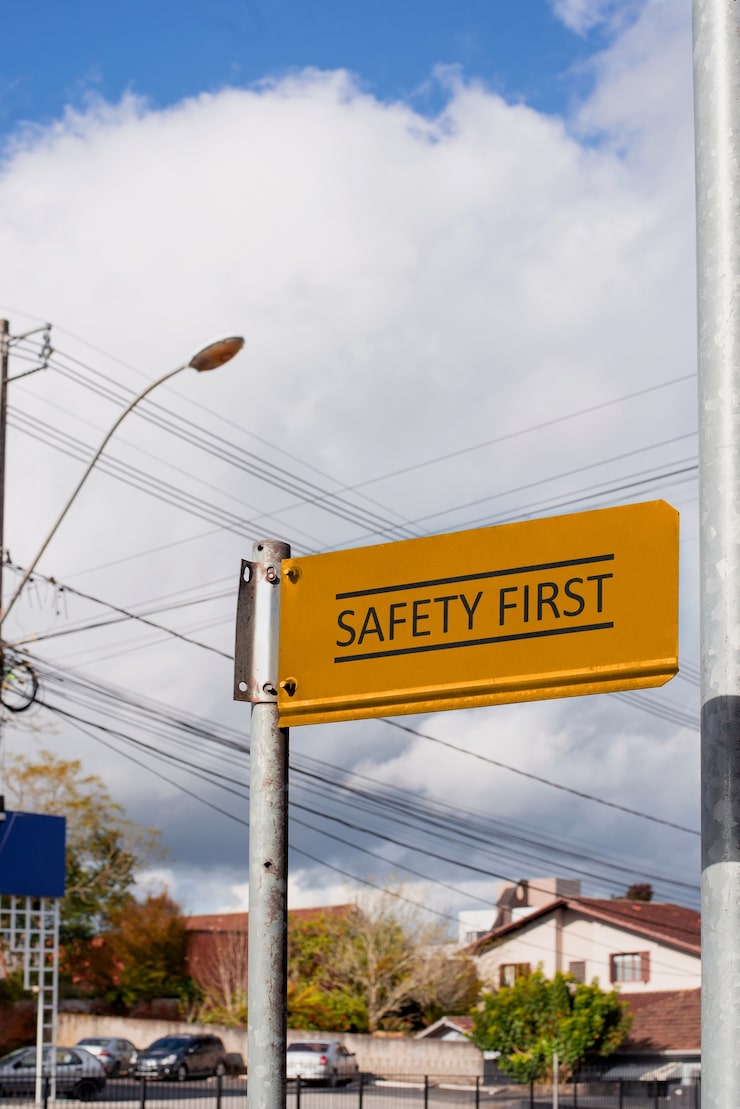
When you’re designing or installing fascia (storefront) signage in City of Vancouver, it’s not as simple as picking a font and size. The city’s sign bylaw spells out precise restrictions on size, location, type, and permits — all of which directly shape what your final sign can look like. Understanding these rules is critical for business owners, sign‑makers, and installers. Let’s explore how.
📜 What’s a “Fascia Sign” under Vancouver’s rules
A “fascia sign” refers to a sign that’s attached to the building façade — i.e. typically above or beside the main entrance, flush or nearly flush with the wall. In Vancouver, such signs are regulated under the Sign By‑law framework that governs all private‑property signage.
Because of this classification, any fascia sign visible from the street requires compliance — and likely a permit. As per the city’s “Signs that require a sign permit” list, all signs on private property generally need a permit.
Key Bylaw Restrictions That Impact Fascia Sign Design
Here are the main constraints from the bylaw that affect what fascia signs can (and cannot) look like:
• Size — “Sign Area vs. Building Elevation”
- For typical commercial/industrial buildings, a fascia sign’s area can be up to 12% of the building elevation where it's placed, with a guaranteed minimum of 32 square feet on smaller buildings.
- Across multiple signs on the same frontage or building face, total signage area must still remain within the permitted limit (e.g. all facia/projecting/free‑standing signs together can’t exceed 15 % of the elevation in some zones).
- For certain upper‑storey (above second storey) fascia signs, the bylaw imposes even stricter limits: the sign area must not exceed 0.30 m² per meter of frontage length, capped at a maximum copy area of 4.5 m² per sign.
Why this matters for design: If you design a big, bold sign with oversized letters or a large logo — that may exceed these limits. It means you (or your client) must scale your design according to building frontage and height.
• Location & Height Restrictions
Fascia signs must not extend above certain architectural features: no sign may go above the parapet or eave line of the building face.
For upper‑storey signs (above second floor), there are extra constraints: signs must be placed between the floor of the uppermost storey and roofline, and cannot cover windows of the storey above.
Fascia signs — especially those below 8 feet above grade — must not encroach into public right-of-way (i.e. sidewalk / street space.
Implication: Your sign design must align precisely with the building’s façade structure. You can’t just float a sign wherever — it needs to sit within permitted vertical bounds, aligned relative to windows/doors/roofline, and must avoid encroaching into public walkways.
• Permits & Approval Process
The bylaw clarifies that all signs on private property need a sign permit.
Permit applications typically include submission of design drawings, size, placement, mounting method, and materials — especially if the sign will be illuminated or involve structural supports.
If the sign is electrified (e.g. illuminated fascia), an electrical permit is often required in addition.
Why this matters: From the outset, designing a fascia sign needs a plan that matches bylaw constraints. Skipping permit application — or installing a non‑compliant sign — can lead to fines, removal orders, or other liabilities under the bylaw.
• Prohibited Features
The bylaw prohibits “billboards” and off‑premises signs — meaning fascia signs must advertise the business on the premises; you can’t use them for unrelated third‑party ads.
Flashing or overly dynamic signage — “flashing signs” — are generally prohibited except under narrow allowances. So animated neon or flashing video‑style signs may not be allowed.
For upper‑storey fascia signs especially, certain materials — e.g. plastic-faced signs — may be disallowed if in restricted zones.
Design implication: Sign makers should avoid flashy, billboard‑style or hyper‑animated signage for fascia signs in Vancouver. Simpler, static, well‑crafted signs (with permitted materials) are typically more likely to get approved.
What This Means for Business Owners & Sign Makers
✅ Plan Signage Early — During Storefront Design or Renovation
If you’re launching a business or renovating storefronts, incorporate sign design very early — ideally while planning building façade changes. This helps ensure signage fits within permitted elevation, size, and height — avoiding costly redesigns or permit rejections.
✅ Work With Professional Sign‑Makers Familiar With Vancouver Bylaws
Because rules around size, area, elevation, and materials are somewhat complex, it’s wise to engage a sign‑maker or contractor who understands the bylaw — to design compliant signage from day one. This reduces risk of non‑compliance and wasted resources.
✅ Factor in Permit Costs & Approvals for Budget and Timing
Getting a sign permit in Vancouver requires application, fees (especially for illuminated or structural signs), and possibly building/electrical permits
Don’t treat signage as a last-minute add-on — factor in the extra time and budget that permit application and inspections might need.
✅ Design “Smart” — Less Is Often More
Given limitations on size, number, materials and movement (no flashing signs), the most effective fascia signs in Vancouver are often ones with clean typography, minimalistic logos, durable materials, and static illumination (if allowed). Over-the-top designs or overly large signs may backfire legally or aesthetically.
Examples: What to Watch Out For
Here are some example scenarios illustrating how the bylaw affects real-world fascia‑sign choices:
Small boutique on a narrow street frontage: Because minimum sign size is 32 sq ft (on small building elevations), a tiny, elaborate sign might not meet the minimum; or trying to spread letters wide might exceed 12% elevation rule.
Multi‑storey building with multiple tenants: Each signage must respect total sign‑area caps and not overlap windows or extend beyond parapet — so two tenants on one façade can’t independently install giant signs.
Illuminated neon for a late‑night restaurant/bar: Neon or glowing signs might be caught under “flashing” or prohibited sign types — so it’s safer to plan for static, well‑shielded illumination or choose other signage types.
Installing sign before official opening/renovation finished: Without getting a permit first, city bylaw enforcement may impose fines or demand removal — so plan permits ahead.
Why Bylaws Matter — Beyond Just Compliance
At first glance, such restrictions might seem like red tape — but they serve important goals:
To maintain street‑level safety (no encroachment on sidewalks, clear vision for drivers/pedestrians)
To preserve aesthetic harmony in neighbourhoods (no oversized billboards, no cluttered façade clutter)
To ensure structural safety and proper installation (permits + inspections for electrical or structural supports)
For businesses and sign‑makers, that means compliance isn’t just a formality — it protects business investments, ensures longevity of signage, and avoids legal trouble or community pushback.
Conclusion
If you’re planning a fascia sign for a business in Vancouver, the city’s sign bylaws must guide your design, materials, placement, and installation strategy. Far from a “nice‑to‑know,” these regulations are fundamental to ensuring that your sign is legally compliant, visually effective, safe, and durable.
For sign‑makers or business owners: treat the bylaw as an essential design constraint — and plan accordingly. When approached right, compliance often leads to smarter, cleaner, and more effective storefront signage that fits Vancouver’s urban aesthetic and regulatory expectations.

Get a storefront sign that impresses and delights your customers, and brings your customer to your door.
Get a free consultation on Business Fascia Signs @ 905-282-2225