Vancouver’s climate is defined by frequent rain, extended overcast periods, mild summers, and cool winters. For homeowners and commercial property managers considering window film, a common question arises: Does Vancouver’s rainy and cloudy weather reduce the effectiveness of window film? The short answer is no—but understanding how window film performs under these conditions is essential to making the right choice.
This article explains how rainy weather and overcast skies interact with window film performance and why window film remains a highly effective upgrade for Vancouver properties.
Understanding Vancouver’s Climate and Its Impact on Buildings
Vancouver experiences high humidity, significant rainfall, and many days with diffused sunlight rather than direct sun. While extreme heat is less common than in other regions, buildings still face challenges such as:
- Heat loss during cooler months
- Glare from low-angle sun and reflective surfaces
- UV exposure even on cloudy days
- Condensation and moisture-related issues
Window film is often misunderstood as a “sun-only” solution, but modern films are engineered to address far more than bright, hot conditions.
Does Overcast Weather Reduce Window Film Effectiveness?
One of the biggest misconceptions is that window film only works when the sun is shining brightly. In reality, UV rays and infrared heat penetrate clouds. Even on heavily overcast days, up to 80% of UV radiation can still reach building interiors.
- High-quality window films continue to:
- Block up to 99% of UV rays
- Reduce infrared heat transfer
- Minimize fading of furniture, flooring, and displays
For Vancouver properties, this is particularly important because prolonged exposure to diffused UV light over many months can still cause noticeable interior damage.
Heat Retention During Cool, Rainy Conditions
Vancouver’s rainy season often coincides with cooler temperatures, especially from fall through early spring. During this time, heat retention becomes more important than heat rejection.
Low-emissivity (Low-E) and insulating window films help by:
- Reflecting interior heat back into the building
- Reducing heat loss through glass
- Improving overall thermal comfort
Rather than making interiors colder, properly selected window film can help stabilize indoor temperatures, reducing reliance on heating systems during long, damp winters.
Managing Glare Under Grey Skies
Even without bright sunshine, glare can still be a problem in Vancouver. Wet roads, glass buildings, and reflective surfaces amplify light, creating discomfort in offices and homes.
Window film reduces glare by:
- Softening diffused daylight
- Controlling light transmission levels
- Improving screen visibility in offices
This makes window film especially beneficial for Vancouver workplaces where productivity can suffer due to persistent eye strain from inconsistent lighting conditions.
Performance in High Humidity and Rainy Conditions
Another common concern is whether Vancouver’s humidity and rainfall affect the durability of window film. Professionally installed window film is designed to perform well in coastal and high-moisture environments.
When installed correctly:
- Rain does not penetrate or damage window film
- Adhesives fully cure within the glass environment
- Films resist peeling, bubbling, and discoloration
It is important, however, to work with an experienced local installer who understands proper curing times and installation techniques suited to Vancouver’s climate.
Condensation and Window Film: What to Expect
Condensation is common in Vancouver, particularly on older or poorly insulated windows. Window film does not cause condensation, but it can slightly change surface temperatures on the glass.
In most cases, window film:
- Does not increase condensation issues
- May help reduce condensation by improving thermal balance
- Works best when paired with proper ventilation
For buildings with existing condensation problems, a professional assessment ensures the correct type of film is selected.
Privacy Benefits on Rainy and Cloudy Days
Rainy weather often leads to increased interior lighting during daytime hours, which can compromise privacy. Privacy and decorative window films are especially valuable in Vancouver’s climate.
They provide:
- Daytime and nighttime privacy options
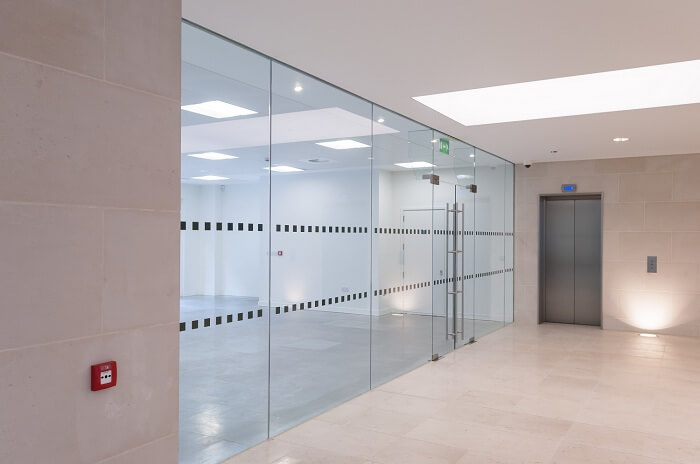
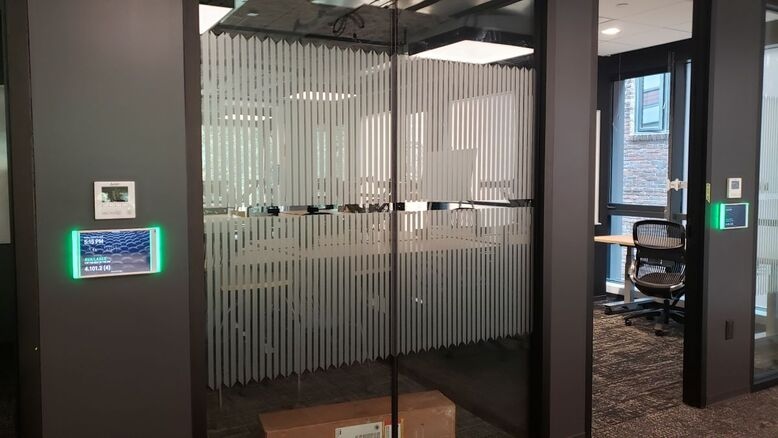
- Frosted or etched aesthetics without blocking light
- Consistent appearance regardless of weather conditions
This makes them ideal for condos, ground-floor offices, clinics, and retail spaces throughout the city.
Long-Term Value Despite Limited Sunshine
Because Vancouver has fewer clear-sky days compared to sunnier regions, some property owners question the return on investment. In reality, window film delivers year-round benefits that go beyond solar heat reduction:
Energy savings from reduced heating and cooling demands
- UV protection every day of the year
- Improved comfort, privacy, and aesthetics
- Extended lifespan of interior furnishings
These cumulative advantages make window film a practical upgrade even in a predominantly cloudy environment.
Choosing the Right Window Film for Vancouver
Not all window films are created equal. For Vancouver properties, the best results come from films designed for mixed climates, offering both solar control and insulation.
An experienced local installer can recommend films that balance:
- Heat rejection and heat retention
- Glare reduction without darkening interiors
- Moisture resistance and long-term durability.
Conclusion
Rainy weather and overcast skies do not reduce the effectiveness of window film—in many ways, they make it even more valuable. In Vancouver’s unique climate, window film works quietly year-round to protect interiors, improve comfort, manage glare, and enhance energy efficiency.
When properly selected and professionally installed, window film remains a smart, reliable solution for Vancouver homes and businesses, regardless of how often the sun decides to show itself.