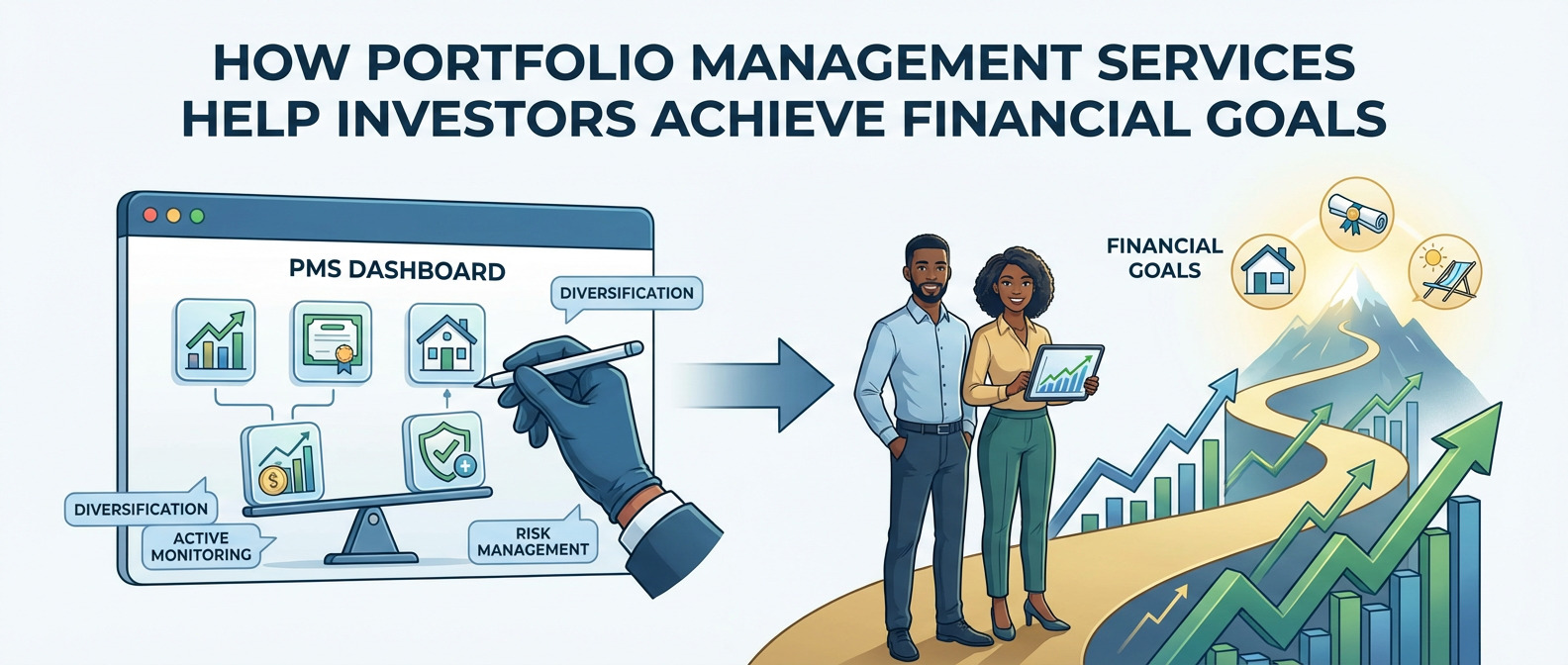
Managing your wealth is critical to a secure financial future. While many people focus on increasing their investments, it is equally important to protect what they already have. Smart estate planning, combined with prudent investment management, protects your family's finances, reduces risks, and preserves wealth.
Even if you consistently invest in growth stocks, mutual funds, or commercial real estate, unforeseen circumstances may still affect your finances. Market volatility, tax liabilities, and unexpected medical expenses can all deplete the value of your portfolio. Similarly, transferring assets to family members can become difficult and costly without careful estate planning. Learning these steps early helps you make smarter decisions and align your finances with long-term goals.
This blog covers the value of investment portfolio management, practical investment approaches, and thorough estate planning services. It also shows how combining both can boost your financial security and offers tips to stay prepared for the future.
Understanding Investment Portfolio Management
Investment portfolio management aims to create a strategy that fits each investor. Portfolio managers assist both individuals and institutions. They help clients align their strategies with their risk tolerance and financial goals.
A strong investment portfolio usually includes growth stocks, bonds, mutual funds, alternative investments, and commercial real estate. Good asset allocation helps balance risk and return, and actively managed funds can offer specific growth opportunities.
Financial experts regularly review portfolios to make sure investments stay in line with your goals, market trends, and benchmarks. They help you choose the right investments, decide when to buy or sell, explore alternative options, and make adjustments as needed.
Additional Key Points in Portfolio Management:
Regular Performance Review: Regularly assess your portfolio against financial goals to detect areas needing adjustment.
Aligning with Life Goals: Portfolio strategies should consider upcoming events, such as retirement, college savings, and potential large medical expenses.
Professional Advice: Experienced portfolio managers and financial advisors provide guidance that helps lower risks while improving potential returns.
Effective Investment Strategies
A good investment strategy considers spreading risk, growth potential, your comfort with risk, and long-term goals.
Diversify Across Asset Classes
Putting your money into different types of investments, like stocks, bonds, mutual funds, commercial real estate, and alternative options, helps reduce risk and increase opportunities for growth. Diversification protects your portfolio against sector-specific losses and market ups and downs.
Balance Growth and Stability
Growth stocks can give high returns, but they carry more risk. Bonds and index funds provide steady and reliable returns. Using both together helps your portfolio grow while keeping risk in check.
Consider Actively Managed and Passive Funds
Actively managed funds are chosen by professional managers who try to beat the market. Index funds follow benchmark indexes and usually have lower fees. Using a mix of both lets investors gain the benefits of each approach while keeping costs lower.
Align Investments with Risk Preferences
Each investor has a unique risk tolerance. Portfolio managers help match investments to comfort levels and investment goals. They also make adjustments during major life changes or unexpected market events.
Monitor and Rebalance Regularly
Investments need regular checking. Rebalancing makes sure that high-performing assets do not dominate your portfolio and that lower-performing assets are adjusted. This helps manage risk and keeps your strategy on track.
Include Alternative and Institutional Investments
Alternative options like commercial real estate, pension funds, or other institutional investments provide extra diversification and the chance for higher returns. They can also help safeguard your portfolio from normal market fluctuations.
By combining these approaches, investors can secure their assets, control risks, and support long-term portfolio growth.
Comprehensive Estate Planning Services
Estate planning ensures your wealth is maintained, protected, and transferred efficiently to your beneficiaries. This involves wills, trusts, and other legal tools that lower taxes and prevent conflicts. Here’s a deeper explanation of key points:
Establish Wills and Trusts
A will shows how your assets will be shared after you pass away. Trusts, whether they can be changed or cannot be changed, help protect your assets, reduce taxes, and give you control over who receives your money and when. They also make sure the funds are used the right way for children or other dependents who need support.
Plan for Minor Children or Dependents
Estate planning keeps minor children or disabled dependents financially secure. Guardianship plans and trusts can cover their education, medical needs, and future support.
Minimize Estate Taxes
Smart planning can cut estate taxes and other costs. When clients align their investment portfolio management and legal setups, they can save more wealth for their loved ones. This helps avoid losses from taxes or probate fees.
Protect Assets from Legal Challenges
A carefully prepared estate plan reduces the risk of disputes in probate court. Clear legal documents help safeguard family assets and avoid conflicts among heirs.
Coordinate with Investment Strategy
Estate planning should work together with your investment plan. When your estate plan and investment strategy work together, your assets can grow more efficiently while staying protected for the future.
Update Plans for Significant Life Changes
Life circumstances change. Estate plans need updates. Changes like marriages, births, deaths, and medical needs make this necessary.
Regular reviews ensure that documents are in line with your goals.
Strong estate planning combined with smart investment portfolio management helps protect and grow wealth for future generations.
Combining Portfolio Management and Estate Planning
Working together, investment strategies and estate planning services make managing wealth easier. Experts help your assets grow while keeping them safe.
Key Benefits
Balance Growth and Protection
Working with professionals helps your investments grow while keeping risk under control and matching your personal goals and financial needs.
Set Up Trusts to Protect Wealth
Trusts keep family assets safe, especially for children or future generations, and let you decide how the money is used.
Minimize Estate Taxes and Other Expenses
Aligning your investment plan with your estate planning can reduce taxes and other financial costs, allowing more of your wealth to reach the people you care about. This way, more of your wealth benefits the people you want to help.
Plan for Unexpected Financial Challenges
A solid plan prepares you for medical expenses, retirement needs, and surprises. It protects your long-term financial goals.
This approach strengthens your financial stability and allows you to adjust your plans as life changes. Using both investment portfolio management and estate planning services helps you stay prepared, protect your assets, and leave a lasting financial legacy.
Practical Tips for Investors
To ensure a secure financial future, take these actionable steps:
Review Investment Portfolios Regularly - To stay on track with your financial goals, reassess your asset allocation and risk preferences.
Work with Professional Money Managers - Make informed decisions that are consistent with your long-term strategy.
Integrate Estate Planning Early – Create wills, trusts, and legal documents to safeguard your family's assets.
Diversify across asset classes. Combine growth stocks, bonds, mutual funds, commercial real estate, and other investments.
Make plans for significant life events. When creating your financial plan, consider retirement, health care, and changes in your family.
Following these steps protects wealth, reduces liabilities, and ensures a smooth wealth transfer across generations.
Conclusion
Investment portfolio management and estate planning services are essential for long-term financial stability. Active portfolio management, thoughtful investment strategies, and well-structured estate plans all contribute to wealth accumulation, asset protection, and tax minimization.
Planning ahead ensures that portfolios and estate plans remain in sync with changing life circumstances. Financial advisors and estate planning lawyers assist clients in maximizing returns, mitigating risks, and preserving wealth for future generations.
Taking action now can give you peace of mind, safeguard your family's assets, and secure your financial future. Combining estate planning and portfolio management creates a solid foundation for long-term success.