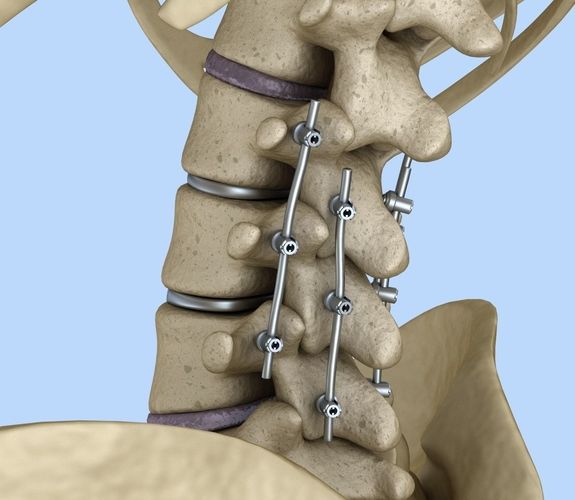



The spine is the central support structure of the body, allowing movement, flexibility, and protecting the spinal cord. Yet, spine-related issues are increasingly common, affecting people of all ages. Jade Guerra, a skilled healthcare professional specializing in holistic care and spine health, shares insights on common spine problems and practical ways to prevent them.
Common Spine Problems
Understanding common spine problems is the first step toward prevention. Here are some of the most frequently encountered issues:
1. Herniated Discs
Herniated discs occur when the soft cushion between the vertebrae slips out of place, pressing on nearby nerves. This can cause pain, numbness, or tingling in the back, legs, or arms.
2. Scoliosis
Scoliosis is an abnormal lateral curvature of the spine. While mild cases may not cause symptoms, severe cases can lead to back pain, limited movement, and posture issues.
3. Degenerative Disc Disease
Over time, spinal discs can naturally wear down, causing stiffness and chronic pain. This condition is more common with aging but can be influenced by lifestyle factors.
4. Spinal Stenosis
Spinal stenosis is the narrowing of the spinal canal, which puts pressure on the nerves. It can result in pain, numbness, and difficulty walking.
5. Poor Posture-Related Issues
Long hours of sitting or improper posture can strain the spine, leading to chronic back pain, tension, and fatigue.
How to Prevent Spine Problems
Prevention is always better than treatment. Jade Guerra emphasizes that simple lifestyle changes and mindful practices can significantly reduce the risk of spine problems.
1. Maintain Good Posture
Always sit and stand straight. Use ergonomic chairs, keep your screen at eye level, and avoid slouching. Regular posture checks can prevent long-term spine stress.
2. Stay Physically Active
Exercise strengthens the muscles that support the spine. Activities like swimming, walking, yoga, and Pilates improve flexibility, balance, and core strength, reducing the risk of injuries.
3. Lift Properly
Lifting heavy objects incorrectly can cause serious spinal injuries. Always bend your knees, keep your back straight, and hold the object close to your body. Avoid twisting while lifting.
4. Maintain a Healthy Weight
Excess weight, especially around the abdomen, can put pressure on the lower spine. A balanced diet and regular exercise help maintain a healthy weight, supporting spine health.
5. Practice Spine-Friendly Sleeping Habits
Sleep on a mattress that supports your spine’s natural curve. Sleeping on your back or side with a supportive pillow can reduce strain. Avoid sleeping on your stomach for prolonged periods.
6. Take Breaks During Long Sitting Periods
If your work involves sitting for long hours, take short breaks every 30–60 minutes. Stand, stretch, or walk around to relieve spinal pressure and improve circulation.
7. Regular Check-Ups
Regular visits to a healthcare professional specializing in spine care, like Jade Guerra, can help identify issues early. Early detection and treatment prevent minor problems from turning into chronic conditions.
Final Thoughts
The spine is crucial to overall health, and caring for it should be a priority. Simple preventive measures such as maintaining good posture, staying active, lifting properly, and regular check-ups can make a significant difference. Jade Guerra’s holistic approach emphasizes the importance of lifestyle habits, early intervention, and personalized care plans to keep the spine healthy and pain-free.
By being mindful of your spine’s needs today, you can prevent serious issues tomorrow and enjoy a life with better mobility and comfort.


The spine plays an important role in almost every movement the body makes. It supports posture, protects the nervous system, and helps people stay active throughout their lives. According to health