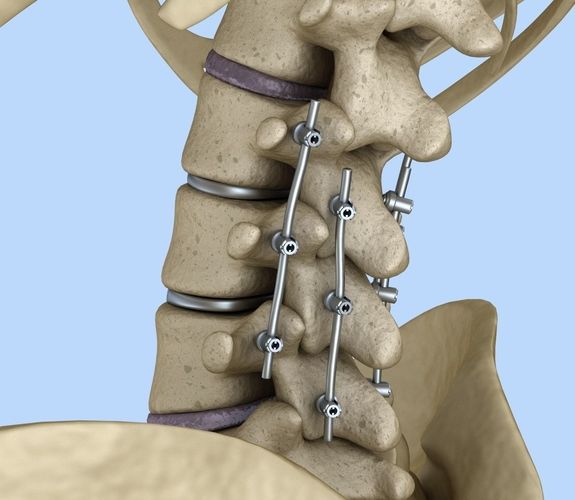



The spine plays an important role in almost every movement the body makes. It supports posture, protects the nervous system, and helps people stay active throughout their lives. According to healthcare professional Jade Guerra, paying attention to spine health is one of the most effective ways to support overall well-being and maintain a better quality of life.
Many people do not think about their spine until they begin experiencing discomfort. However, regular spine care can help prevent problems before they start and contribute to better daily function.
Why Spine Health Matters
The spine is more than just a structure that keeps the body upright. It houses and protects the spinal cord, which serves as a communication pathway between the brain and the rest of the body. When the spine is healthy and functioning properly, the body can move more efficiently and comfortably.
Poor spinal health can lead to issues such as:
- Chronic back or neck pain
- Reduced flexibility and mobility
- Poor posture
- Muscle tension
- Increased risk of injuries
- Difficulty performing everyday tasks
Jade Guerra emphasizes that maintaining spinal health can help individuals stay active and independent as they age.
The Connection Between Spine Care and Daily Life
Spinal discomfort can affect many aspects of everyday living. Simple activities such as sitting at a desk, driving, exercising, or even sleeping may become more challenging when the spine is not properly supported.
Good spine care can lead to several benefits, including:
Improved Mobility
A healthy spine supports smooth movement throughout the body. When joints and muscles work together properly, people can bend, walk, and perform daily activities with greater ease.
Better Posture
Many people spend long hours sitting in front of computers or looking down at mobile devices. Over time, these habits can lead to poor posture. Regular spine care can help improve alignment and reduce strain on muscles and joints.
Reduced Discomfort
Addressing spinal issues early may help reduce pain and stiffness. This can make daily activities more comfortable and improve overall quality of life.
Enhanced Physical Performance
Whether someone is an athlete or simply enjoys staying active, proper spinal function supports balance, coordination, and movement efficiency.
Habits That Support a Healthy Spine
Jade Guerra believes that small daily habits can make a significant difference in spinal health over time. Some practical strategies include:
Stay Physically Active
Regular movement helps strengthen the muscles that support the spine. Activities such as walking, stretching, swimming, and strength training can contribute to better spinal stability.
Maintain Good Posture
Paying attention to posture while sitting, standing, and lifting objects can reduce unnecessary stress on the spine.
Create an Ergonomic Workspace
For individuals who spend long hours at a desk, proper chair support, monitor placement, and keyboard positioning can help prevent strain.
Prioritize Quality Sleep
A supportive mattress and proper sleeping position can help the spine recover and maintain healthy alignment during the night.
Listen to Your Body
Ignoring persistent discomfort can allow minor issues to become more serious. Seeking professional guidance when symptoms arise can help identify and address concerns early.
Preventing Problems Before They Start
One of the most valuable aspects of spine care is prevention. Rather than waiting for pain to interfere with daily life, proactive care can help maintain long-term health and function.
Regular assessments, healthy lifestyle habits, and awareness of posture and movement patterns can all contribute to better spinal health. Preventive care often helps people avoid more significant issues that may require extensive treatment later.
Final Thoughts
Jade Guerra believes that spine care should be viewed as an essential part of overall health. A healthy spine supports movement, comfort, and independence, making it easier to enjoy everyday activities and maintain an active lifestyle.
By focusing on good posture, regular physical activity, proper ergonomics, and preventive care, individuals can support their spinal health and experience meaningful improvements in their quality of life. Taking care of the spine today can help create a stronger foundation for long-term health and well-being.