



If you’re exploring orthodontic treatment for straighter teeth, one of the first questions that comes to mind is how much are braces cost in Australia. With several modern options available — including traditional metal braces, ceramic braces, lingual braces, and Invisalign clear aligners — the cost can vary significantly depending on the treatment type, the complexity of your alignment needs, and the location of your orthodontist.
This guide offers a clear breakdown of how much braces cost, what influences pricing, and how to choose the right option for your lifestyle and budget
How Much Are Braces in Australia? Average Cost Comparison
The cost of braces can range widely. Below is a general price comparison to help you understand what to expect:
Type of BracesAverage Cost Range in Australia
Metal Braces $5,000 – $9,000
Ceramic Braces $6,000 – $10,500
Lingual Braces $9,500 – $15,000+
Invisalign $4,500 – $9,500
Prices are estimates and vary based on treatment complexity, orthodontist experience, and treatment duration.
Traditional Metal Braces
What Are Metal Braces?
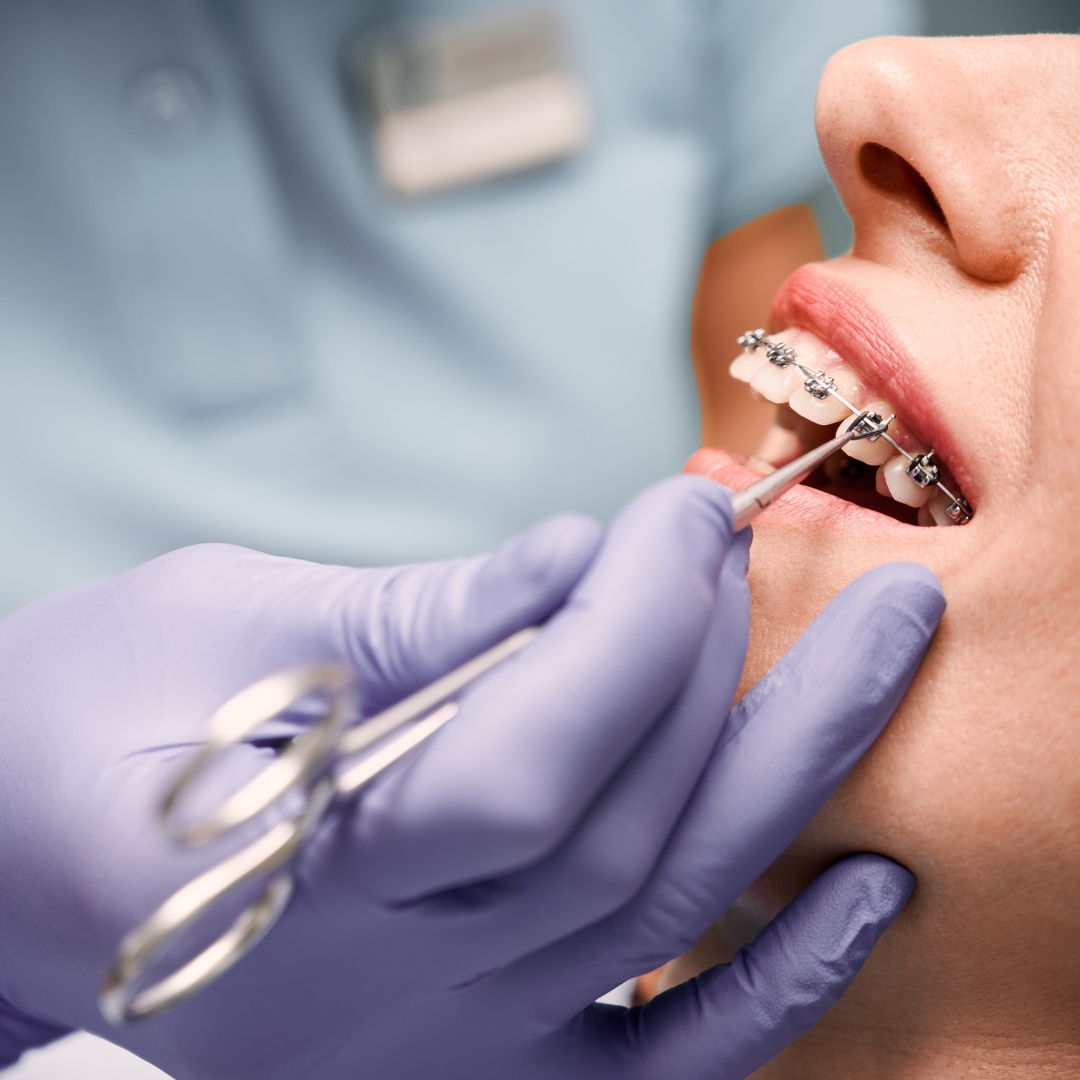
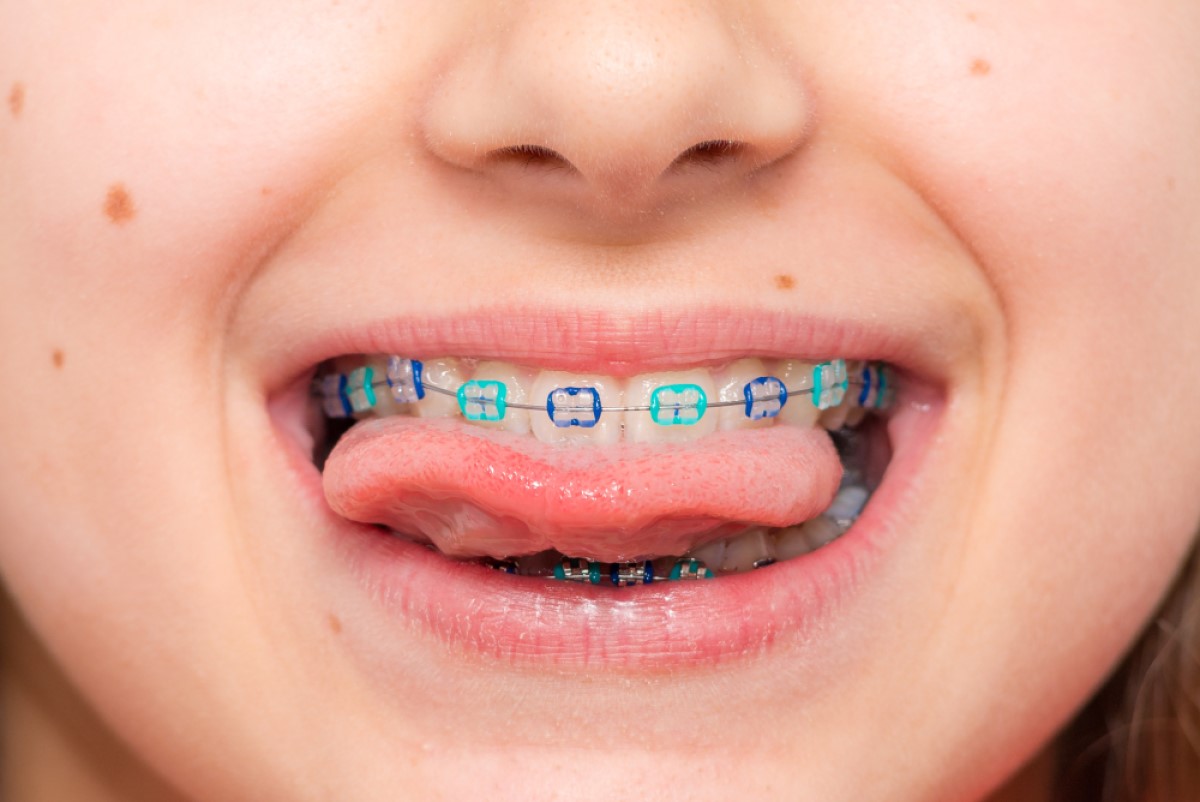
Metal braces are the most common orthodontic option and have been used for decades. They involve stainless steel brackets and wires attached to the teeth to shift them into alignment gradually.
How Much Do Metal Braces Cost?
For those wondering how much does braces cost using metal brackets, most Australian patients can expect to pay between $5,000 and $9,000 for full treatment.
Best For
Children and teens
More complex alignment issues
Families wanting the most budget-friendly orthodontic option
Pros
Most affordable type of braces
Highly effective for severe misalignment
Often shorter treatment time than alternatives
Cons
Visible appearance
Requires regular adjustments
Ceramic Braces
What Are Ceramic Braces?
Ceramic braces work similarly to metal braces but use tooth-coloured brackets, making them more discreet.
How Much Are Ceramic Braces?
The average cost in Australia ranges between $6,000 and $10,500, depending on the treatment length and materials used.
Best For
Adults or professionals wanting subtle treatment
Patients needing strong alignment control but prefer a less noticeable look
Pros
More aesthetic than metal braces
Effective for moderate to severe alignment issues
Cons
More expensive than metal braces
Brackets may stain without good oral hygiene
Lingual Braces
What Are Lingual Braces?
Lingual braces are attached to the back (inside) surface of the teeth, making them completely hidden from view. They are custom-designed and require specialised orthodontic training.
How Much Do Lingual Braces Cost?
Lingual braces are the most expensive option, generally costing from $9,500 to $15,000+, particularly for complex cases.
Best For
Adults wanting invisible orthodontic treatment
Public speakers, media professionals or performers
Pros
Invisible when worn
No risk of visible staining
Cons
Higher cost due to customisation
Can initially impact speech
Harder to clean
Invisalign Clear Aligners
What Is Invisalign?
Invisalign uses a series of removable plastic aligners rather than brackets and wires. Each aligner shifts the teeth slightly until the desired alignment is achieved.
How Much Does Invisalign Cost?
Costs typically range from $4,500 to $9,500, depending on the number of aligners required and the complexity of tooth movement.
Best For
Adults and teens seeking a discreet option
Mild to moderate alignment issues
Patients who prefer removable treatment
Pros
Nearly invisible
Removable for eating and brushing
Comfortable fit with fewer orthodontic visits
Cons
Not ideal for severe dental corrections
Requires discipline — must be worn 20–22 hours per day
Key Factors That Influence Braces Cost
Several elements determine how much braces cost, including:
1. Complexity of Treatment
More severe misalignment or bite issues require longer treatment and more adjustments, increasing the total cost.
2. Treatment Duration
Most orthodontic treatments last 18 months to 2 years.
3. Orthodontist Experience
Highly experienced specialists may charge more, but expertise often means better results.
4. Clinic Location
Metro areas tend to have higher costs than regional practices.
5. Private Health Insurance
Some extras policies cover a portion of orthodontic treatment, often with lifetime limits.
Payment Plans and Affordability Options
Many orthodontic clinics offer flexible payment solutions to make costs manageable, such as:
Interest-free monthly instalments
Pay-as-you-go adjustments
Health fund rebates
Tax or government assistance for eligible dependents
If you’re budgeting and comparing prices, consider asking for a customised treatment plan and quote.
Which Braces Option Is Right for You?
Choosing the right treatment depends on factors such as visibility preference, budget, lifestyle and dental condition.
Best ForRecommended Option
Budget & severe cases Metal braces
Aesthetic but affordable Ceramic braces
Completely invisible Lingual braces
Comfort & flexibility Invisalign
In summary, Understanding how much are braces for different types helps you make a confident and informed decision about your dental future. Whether you choose metal braces for affordability, Invisalign for convenience, or lingual braces for total invisibility, investing in orthodontic treatment delivers lifelong benefits — from better oral health to greater confidence.


Are you interesting in knowing more about how much shredding costs when it is done onsite?
Visit here to learn more about our services and the costs involved.how much does shredding cost