

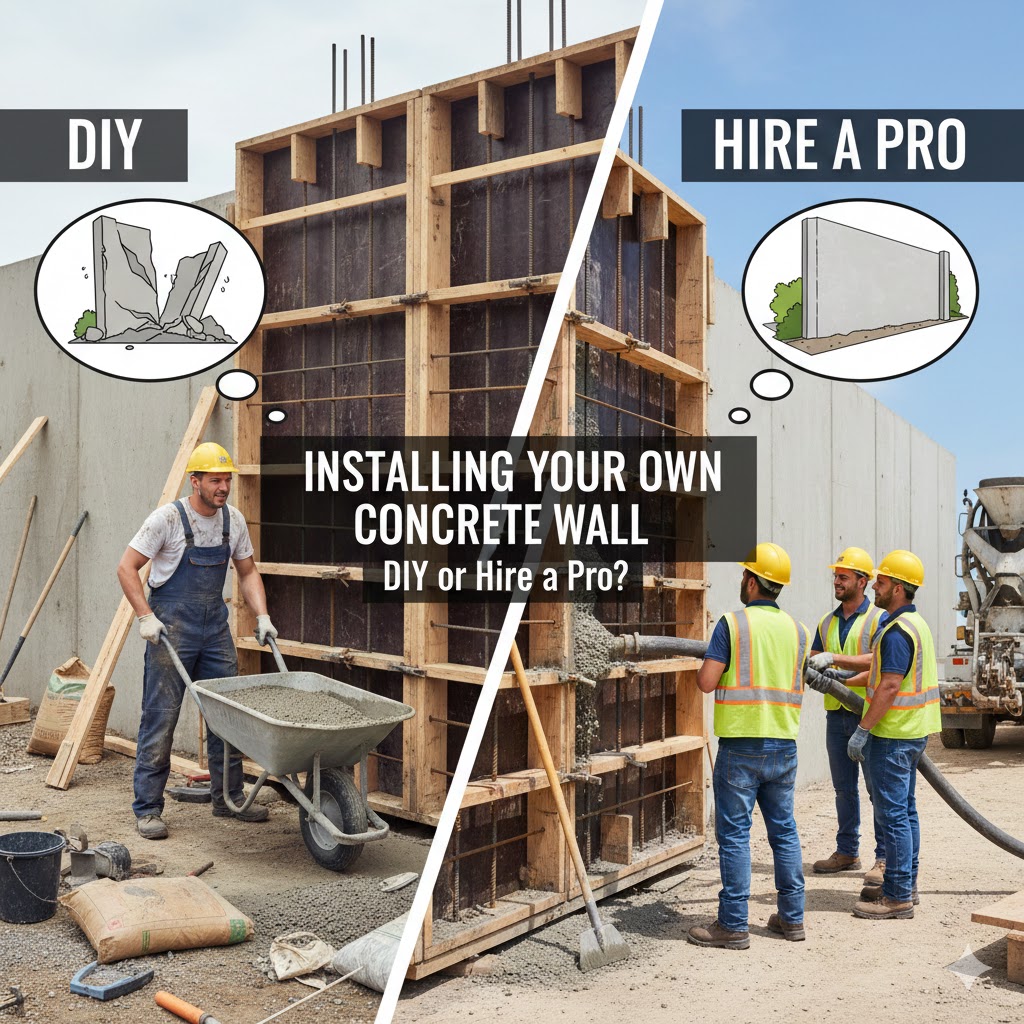
When it comes to building a concrete wall, homeowners often face one big question: Should you do it yourself or hire a professional? Concrete walls are known for their durability, stability, and visual appeal—making them ideal for landscaping, retaining soil, adding privacy, improving security, or enhancing curb appeal. But installing one isn’t always as simple as mixing cement and stacking blocks.
In this comprehensive guide, we’ll break down everything you need to know—from the pros and cons of DIY concrete wall installation to the benefits of hiring an expert, plus cost comparisons, essential steps, and expert tips to help you choose the best route for your home.
Whether you’re a DIY enthusiast or a homeowner aiming for flawless results, this article is packed with actionable advice, easy-to-understand explanations, and helpful insights to ensure you feel confident making the right decision.
1. What You Should Know Before Installing a Concrete Wall
Before diving into either DIY or hiring a contractor, it’s essential to understand what installing a concrete wall really involves. Concrete walls must be engineered for strength, alignment, and longevity, especially if they serve as retaining walls or structural barriers.
Here are crucial things to know upfront:
- Concrete walls are permanent structures. Mistakes can be extremely expensive to fix.
- You must account for soil type, drainage, load pressure, and reinforcement.
- Permits may be required depending on the wall’s height and purpose.
- Concrete work requires precision timing, especially when mixing and pouring.
- Weather plays a huge role—temperature and moisture can affect curing.
Simply put: concrete work isn’t impossible for a homeowner, but it’s not something to approach lightly.
2. Types of Concrete Walls You Can Build
Concrete walls come in different designs and uses. Before deciding on DIY or hiring a pro, consider which type you’re planning to install:
✔ Concrete Block Walls
Also known as CMU walls, these are built with concrete blocks stacked and mortared together.
✔ Poured Concrete Walls
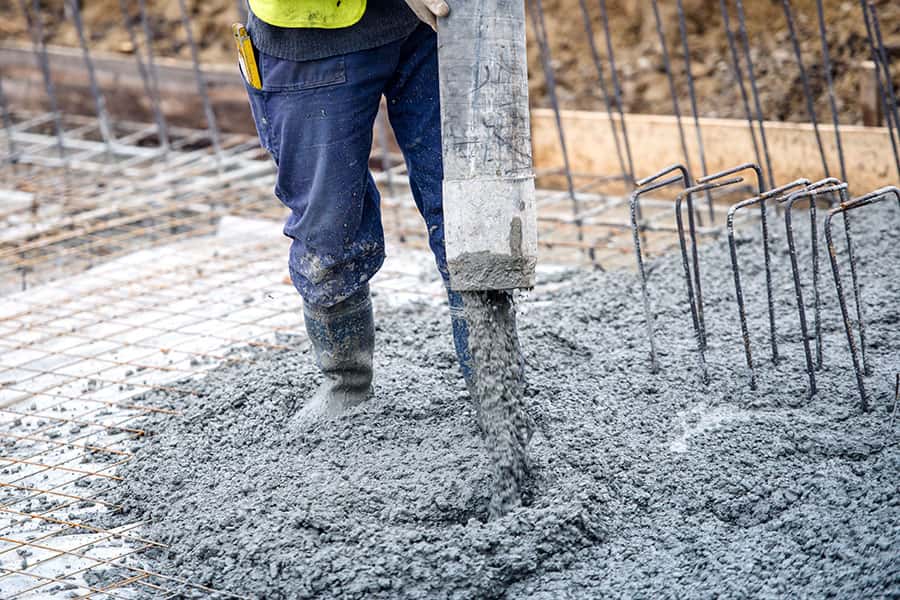
Formwork is built, and liquid concrete is poured in. These walls are extremely durable but require more skill.
✔ Decorative Concrete Walls
Used for landscaping, privacy, and aesthetic enhancements. They may include stone textures, stamped patterns, or colored concrete.
✔ Retaining Walls
Designed to hold back soil. These require careful engineering and are often best handled by professionals.
✔ Boundary or Privacy Walls
These provide security, noise reduction, and property separation.
Each type requires different skill levels, tools, and experience—factors that will heavily influence whether DIY is a realistic option.
3. DIY Concrete Wall Installation: Pros and Cons
Thinking about tackling a concrete wall project yourself? Here’s a breakdown of what to expect.
Advantages of DIY
- Lower cost by eliminating labor fees.
- Full control over design and timeline.
- Learning opportunity for hands-on homeowners.
Disadvantages of DIY
- Concrete work is physically demanding and often requires multiple people.
- Mistakes can lead to cracks, leaning, bulging, or complete failure.
- Lack of experience can result in poor drainage, which can destroy the wall.
You may need to rent expensive equipment like mixers, tampers, or compactors.
If you build it incorrectly, permits may not pass inspection.
If you’re confident, patient, and willing to learn, a small decorative or garden wall can be a great DIY project. Anything larger or structural? You might want to reconsider.
4. Tools and Materials Needed for a DIY Concrete Wall
Building a concrete wall requires several specialized tools and materials. Here’s what you’ll need:
Tools
- Concrete mixer
- Shovels, trowels, and floats
- Wheelbarrow
- Level and string line
- Tape measure
- Rebar cutter/bender
- Rubber mallet
- Concrete vibrator (for poured walls)
- Compactor or tamper
Materials
- Concrete mix or cement + aggregate
- Concrete blocks (for block walls)
- Gravel base
- Rebar and reinforcements
- Mortar mix
- Form boards (for poured concrete)
- Drainage pipe and backfill
- Waterproofing or sealant
By the time you gather everything, costs can add up—especially if you’re buying or renting large equipment.
5. Step-by-Step Guide to Building a Concrete Wall Yourself
If you’re set on DIY, here’s a simplified overview of the process. Note that structural walls require more advanced engineering.
Step 1: Plan and Layout the Wall
Mark where the wall will go using stakes and string. Double-check measurements and local code requirements.
Step 2: Excavate and Prepare the Base
Dig a trench deep enough for a stable foundation.
- Add 4–8 inches of gravel.
- Compact thoroughly to prevent future settling.
Step 3: Build the Foundation
For block walls:
Pour a concrete footing with rebar for stability.
For poured walls:
Build and secure form boards, ensuring they are perfectly straight.
Step 4: Install Rebar Reinforcement
Place vertical and horizontal rebar inside the footing or formwork to strengthen the wall.
Step 5: Build or Pour the Wall
For block walls:
- Lay blocks row by row using mortar.
- Check alignment constantly.
- Add vertical rebar into the block cores.
For poured walls:
- Mix concrete.
- Pour evenly into forms.
- Use a vibrator to remove air pockets.
Step 6: Add Drainage
Retaining walls require:
- Drainage pipe
- Gravel backfill
- Waterproofing membrane
Step 7: Backfill and Finish
After the wall cures:
- Remove forms
- Seal the concrete
- Backfill carefully
6. Common Mistakes Homeowners Make When DIYing Concrete Walls
Many DIY concrete walls fail because of a few common missteps:
- Skipping proper drainage causes pressure buildup and collapse.
- Not compacting the soil or gravel base properly.
- Incorrect rebar placement, weakening structural performance.
- Poor mortar consistency, causing block walls to tilt or crack.
- Forms that bow or shift, ruining poured walls.
- Curing too fast due to sun or wind exposure.
Concrete requires precision—one error early on can ruin the entire build.
7. Benefits of Hiring a Professional Concrete Contractor
A professional brings experience, precision, and efficiency. Here’s what you gain:
✔ Expert Engineering
Pros know how to calculate load, soil pressure, drainage, and reinforcement.
✔ Faster Installation
What could take you weeks may take professionals just a few days.
✔ Better Tools and Materials
Contractors already have mixers, vibrators, saws, and leveling equipment.
✔ Long-Term Durability
A professionally installed concrete wall is much less likely to crack or fail.
✔ Warranty and Accountability
Most contractors offer guarantees for their work.
For structural walls—especially retaining walls—hiring a pro is almost always the safer choice.
8. How Much Does It Cost to DIY vs. Hire a Pro?
Here’s a general comparison:
DIY Costs
- Materials: $600–$2,500 (depending on wall size)
- Tools/equipment rental: $150–$600
- Total: $750–$3,100
Professional Installation Costs
- Labor + materials: $40–$100 per square foot
- Total: $3,000–$15,000+
While DIY is cheaper upfront, a poorly built wall can mean thousands in repairs—or even complete reconstruction.
9. When Should You NOT DIY a Concrete Wall?
DIY might not be your best option if:
- The wall is taller than 3 feet
- It needs to support heavy loads or retain soil
- You live in an area with soft soil or heavy rainfall
- Permits require engineered plans
- You have no experience mixing or finishing concrete
In these cases, hiring a professional isn’t just recommended—it’s necessary.
10. Tips for Choosing the Right Concrete Contractor
If you decide to hire a pro, follow these tips:
- Check reviews and portfolio
- Ask for proof of insurance
- Request a detailed written estimate
- Confirm they have experience with your wall type
- Ensure they offer a workmanship warranty
- Avoid unusually low bids—they often signal corner-cutting
A trustworthy contractor should be transparent, skilled, and communicative.
11. Final Verdict: DIY or Hire a Pro?
So which option is better? It depends on your project type, skills, and comfort level.
Choose DIY if:
- The wall is small (under 3 feet)
- It’s purely decorative
- You enjoy hands-on projects
- You’re willing to learn and take your time
Hire a Pro if:
- The wall needs to support weight or retain soil
- It requires engineering or permits
- You want a flawless, long-lasting result
- Time and labor are major concerns
Choosing the right path ensures your wall stands strong for decades.
12. Conclusion
Installing a concrete wall—whether for privacy, landscaping, or structural support—is a major project that requires careful planning and skill. While building a small decorative wall can be a rewarding DIY project, anything involving height, load-bearing, or soil retention is best left to the pros. For professional guidance or help with complex installations, you can visit https://www.siouxfallsconcrete.com/. Consider the complexity, cost, tools, and potential risks before deciding.
Whether you take the DIY route or hire an expert, prioritize stability, drainage, reinforcement, and craftsmanship. Make the choice that keeps your property safe, adds long-term value, and gives you peace of mind.
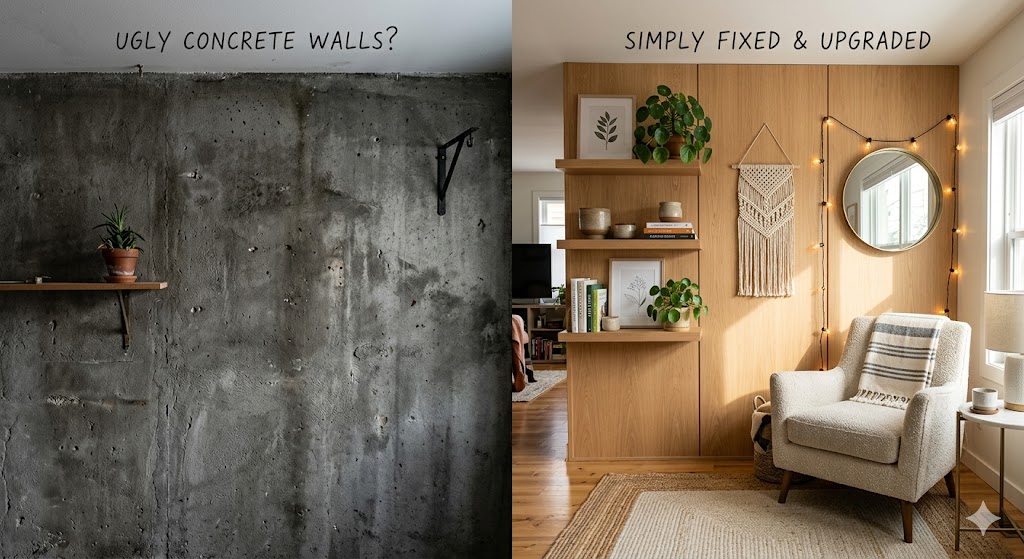
Concrete walls are known for their strength, durability, and modern appeal—but let’s be honest, they don’t always look great. Over time, they can become dull, stained, cracked, or just plain boring

When you think of a retaining wall, the first image that probably comes to mind is a plain, gray slab doing nothing more than holding back dirt. Functional? Yes. Inspiring? Not exactly.
But h