





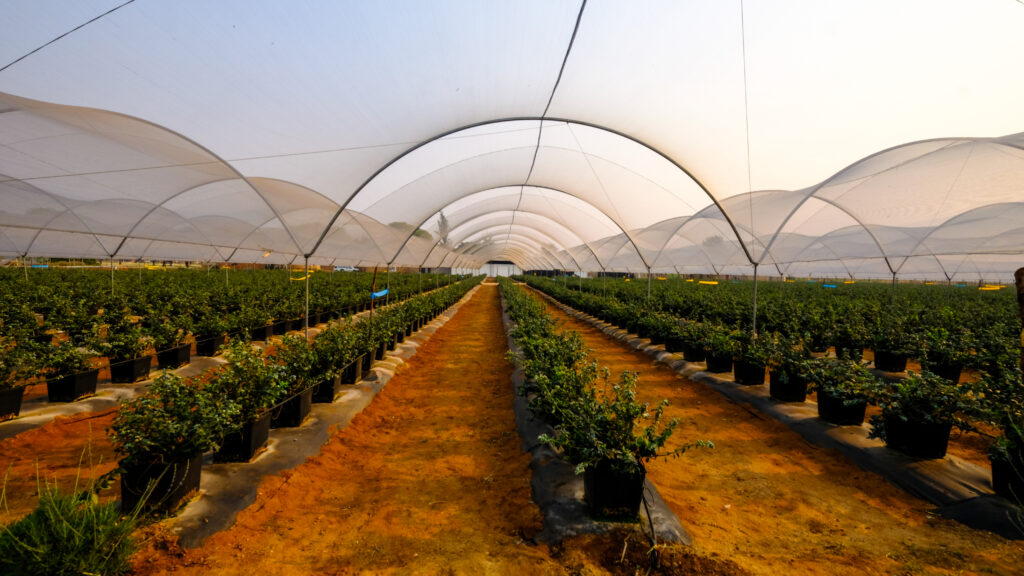
Blueberries, with their vibrant fruits and delicate blooms, are a gardener’s delight. Growing them in containers has become increasingly popular due to its flexibility and space-saving benefits. However, one question persists: can blueberries survive in cold climates, particularly when grown in containers? And, once you've set them up in large plastic pots for plants, how do you go about fertilizing them to ensure robust growth and healthy yields? These are crucial considerations for those who live in regions where cold weather is a reality.
To address these questions, we’ll delve into the resilience of blueberries in cold climates, the challenges posed by low temperatures, and the key techniques for successful cultivation, including the right fertilization practices.
The Resilience of Blueberries in Cold Climates
Blueberries are hardy perennials, well-suited for many regions, including cold climates, but their ability to survive in extreme conditions is influenced by a number of factors. Understanding these factors is essential to ensure the long-term success of your blueberry plants, especially when growing them in containers.
In colder climates, particularly those that experience freezing temperatures, blueberries face the challenge of surviving winter frost. However, the variety of blueberry you choose can have a significant impact on its survival. For instance, highbush blueberries (Vaccinium corymbosum) tend to be the most frost-hardy, particularly the northern varieties, such as ‘North Blue,’ ‘Patriot,’ and ‘Legacy.’ These varieties are known to endure temperatures as low as -20°F (-29°C) when properly mulched and cared for.
Container gardening, however, introduces another layer of complexity. While planting blueberries in the ground allows them to establish deep root systems that help buffer against the cold, containerized blueberries must be protected from the freezing effects of winter. The key challenge here is ensuring that the roots don’t freeze. Blueberries grown in pots are more vulnerable to temperature fluctuations, and if the roots freeze, the plant can be severely damaged or even killed.
To prevent root damage in cold climates, gardeners growing blueberries in large plastic pots for plants should consider several protective measures. First, the pots themselves can be insulated by wrapping them with materials such as burlap, foam, or even old blankets. The idea is to reduce the heat exchange between the pot and the frigid outdoor air. Additionally, placing the pots in a sheltered spot, such as near a wall or under a tree canopy, can further protect them from harsh winds and freezing temperatures.
Another effective method is to bury the pot partially in the ground. Doing so helps provide some natural insulation, as the earth itself tends to maintain a more constant temperature than the air. This is especially important if you're dealing with extreme winter conditions, where the freezing and thawing cycle can be particularly stressful on the plant.
Proper Fertilization for Blueberry Plants in Cold Climates
Fertilizing blueberries in containers requires a delicate balance. While blueberries are known to be relatively low-maintenance, their fertilization needs are unique, especially in cold climates where the growth cycle is shorter and the nutrient requirements can differ. Fertilization practices can significantly affect the health of your plant, influencing everything from flowering to fruit production.
Blueberries thrive in acidic soil, with a pH level ranging between 4.5 and 5.5. This is important to consider when choosing fertilizers, as many common fertilizers may not provide the right balance for these acid-loving plants. In cold climates, the growing season is shorter, and therefore, efficient fertilization is critical to ensure that the plant has enough nutrients to thrive through the growing season and endure the winter.
When selecting a fertilizer for your container blueberries, it’s best to choose one that’s specifically designed for acid-loving plants. These fertilizers typically contain higher levels of ammonium sulfate or other sources of nitrogen that help to lower the soil pH. A slow-release fertilizer is also a good choice because it will gradually supply nutrients throughout the growing season, reducing the risk of nutrient burn, which can occur when too much fertilizer is applied at once.
In the spring, as the plants begin to wake from dormancy, they will require a good amount of nitrogen to stimulate new growth. A balanced fertilizer with a higher nitrogen ratio (such as a 10-10-10) should be applied early in the growing season. This will give the plants the energy they need to produce new shoots and leaves. Be sure to follow the manufacturer’s instructions on the amount to apply, as over-fertilizing can harm the plant and lead to excessive growth at the expense of fruit production.
As the growing season progresses, your blueberries will need additional nutrients to support their fruiting process. A fertilizer with a higher level of potassium and phosphorus will help promote flower and fruit development. Potassium encourages strong root systems and improves the plant's overall resilience, while phosphorus is vital for flower production and fruit set. Late summer or early fall is an ideal time to apply a balanced fertilizer with a higher phosphorus content to prepare the plants for fruiting and ensure they can store enough energy to survive the winter months.
During the winter months, it’s important to stop fertilizing blueberries. Fertilization during the dormant season can encourage unnecessary growth that may not be able to withstand the cold temperatures. Instead, focus on proper winter care to help the plant weather the cold period. Ensuring that the soil is consistently moist, but not waterlogged, will help prevent winter dehydration, which can be as damaging as the cold itself.
The Importance of Soil and Container Care in Cold Climates
Aside from fertilization, soil and container care play a crucial role in helping blueberries survive in cold climates. The quality of the soil in which your blueberries are planted can affect their overall health and cold tolerance. Since blueberries need acidic, well-draining soil, it’s essential to choose a potting mix that meets these requirements. Many commercially available potting soils are too alkaline for blueberries, so it’s often best to mix your own. Combine equal parts peat moss, pine bark, and perlite for an ideal acidic, well-draining mixture.
As previously mentioned, the type of container you use also plays a significant role in winter survival. Large plastic pots for plants are an excellent choice for growing blueberries in cold climates because they are lightweight, durable, and easy to move around for winter protection. These pots also offer a good level of insulation against freezing temperatures compared to thinner-walled containers. However, it’s still important to insulate them further, especially if you’re dealing with extreme cold.
Another critical aspect of container care is ensuring proper drainage. Blueberries have shallow roots and cannot tolerate sitting in water for extended periods, as this can lead to root rot. Make sure your containers have adequate drainage holes, and if necessary, elevate the pot slightly to allow for better water runoff. In cold climates, frozen water in the bottom of the pot can create problems, so you’ll want to avoid excessive watering during the winter months.
Conclusion: Protecting and Caring for Your Blueberry Plants in Cold Climates
Growing blueberries in cold climates is entirely possible with the right strategies. By selecting cold-hardy varieties, ensuring proper winter protection, and employing thoughtful fertilization practices, you can successfully cultivate blueberries in containers. Large plastic pots for plants are a reliable and practical option for container gardening, offering durability and ease of movement, which is especially valuable when you need to reposition your plants for winter protection. These pots also provide better insulation against freezing temperatures than many other containers, helping to shield your blueberry plants' roots from the harsh cold. By understanding the unique needs of blueberries and addressing these concerns with proper care and attention, you can enjoy the beauty and bounty of homegrown blueberries, even in the harshest of climates.
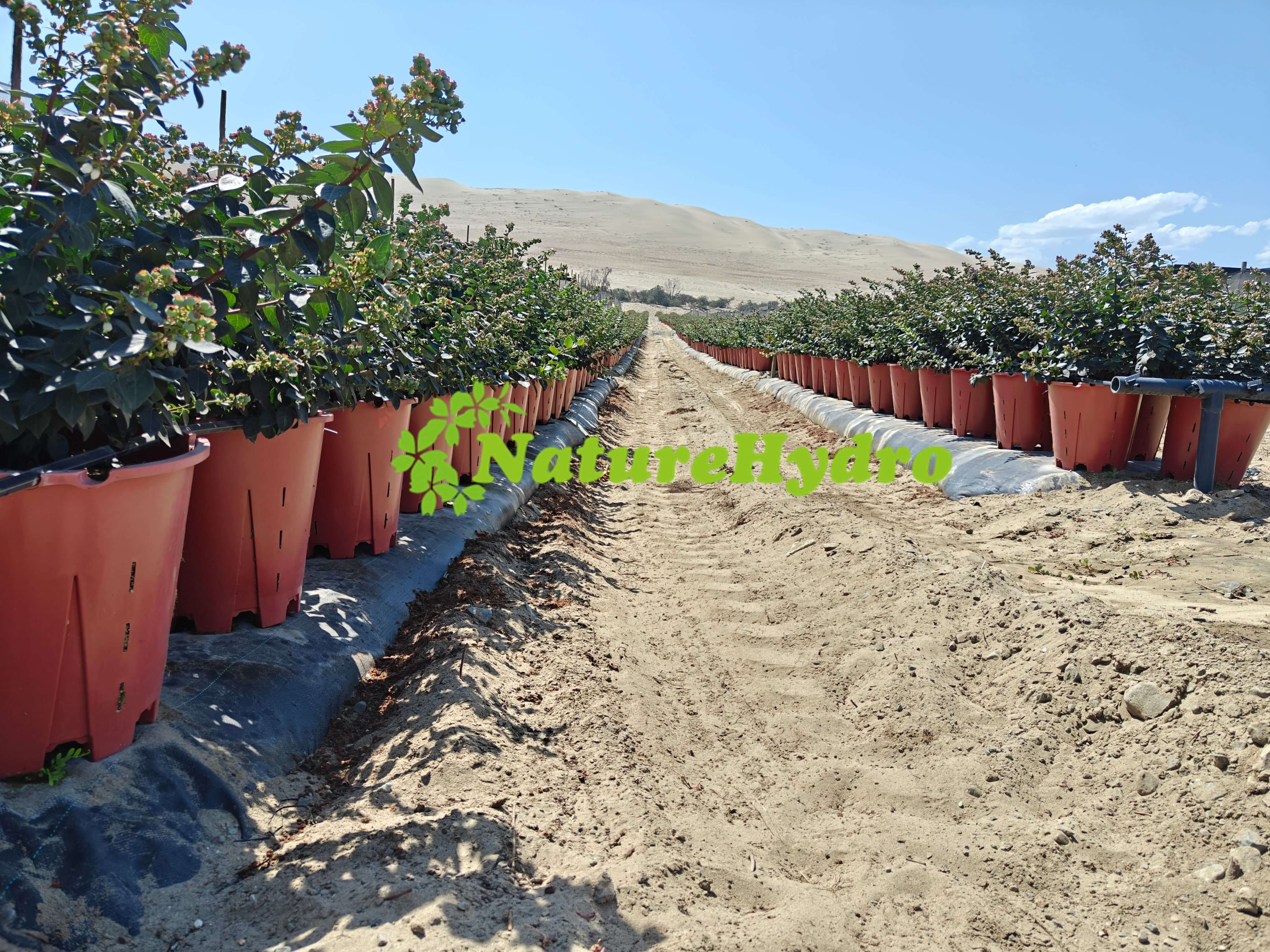

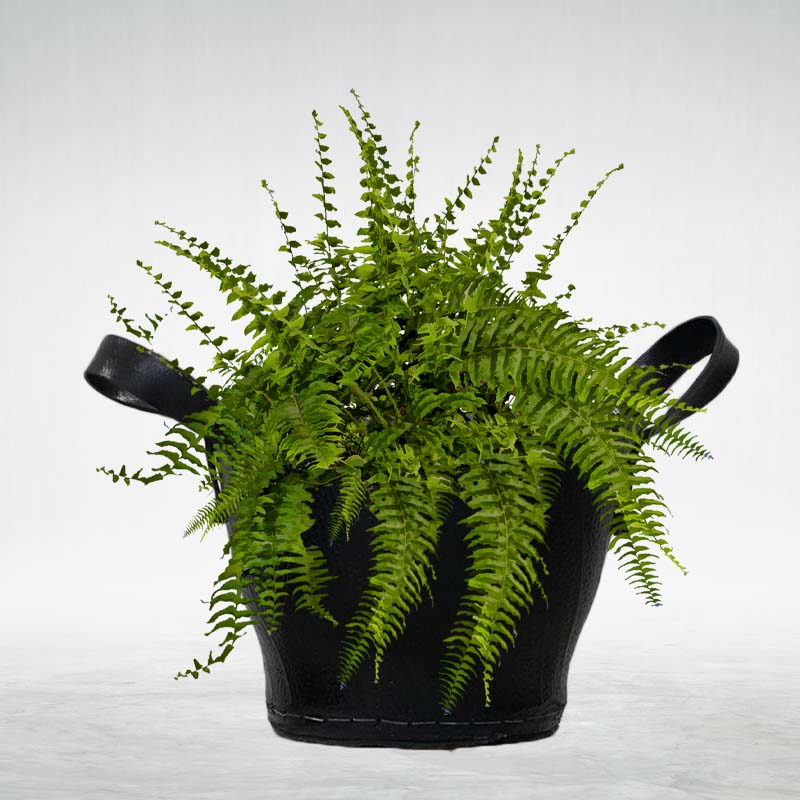
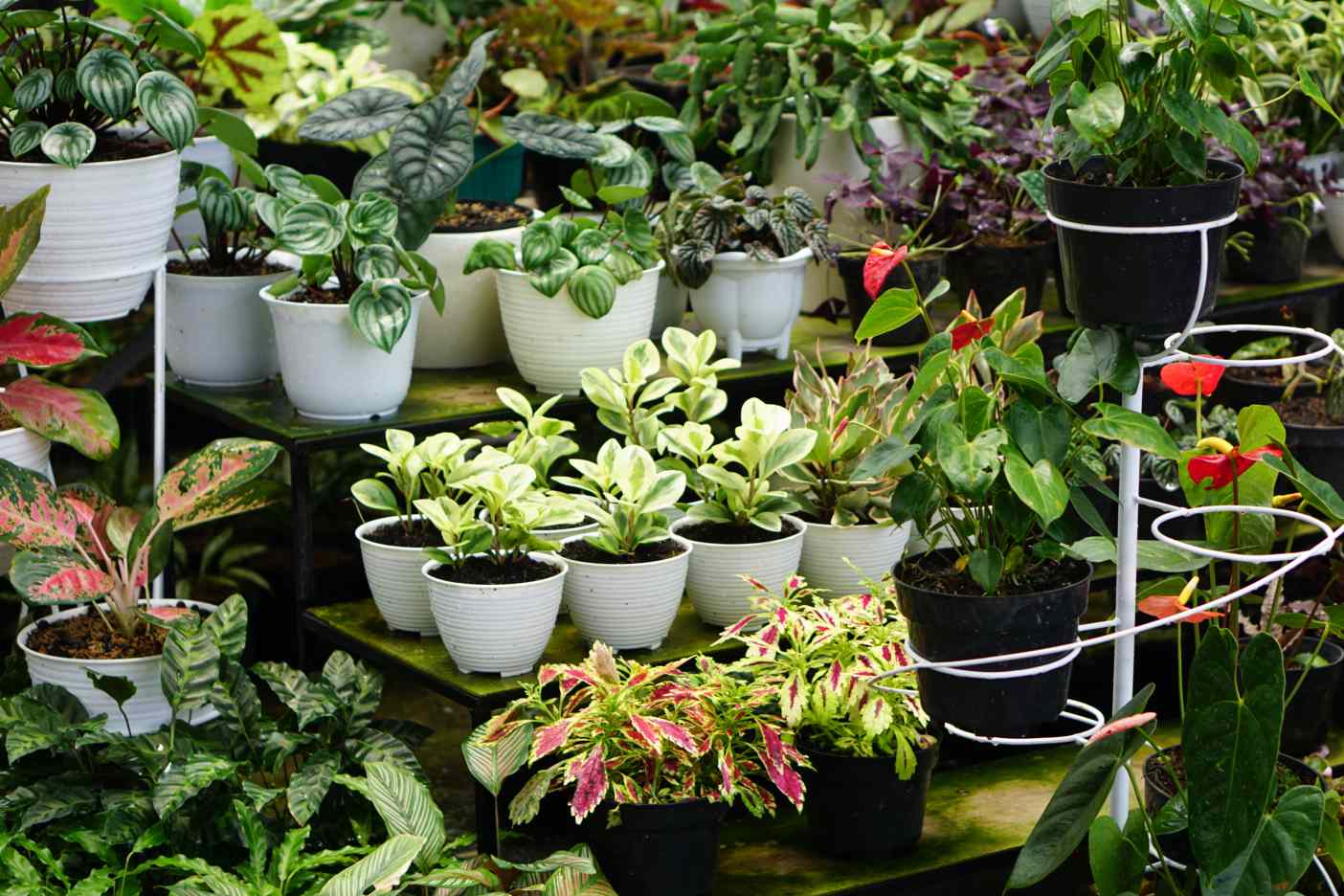
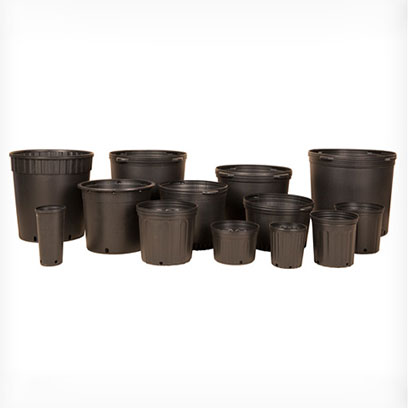
Do not splash the fertilizer solution on the long-lived flower leaves, otherwise it is easy to cause the leaves to rot(plastic nursery pots); but sometimes it is inevitable that the fertilizer solution will be splashed on the leaves due to careless operation, at this time, it should be washed off immediately with water.
Compared with the fertilization of other potted flowers and plants, the fertilization of potted longevity flowers often needs to be more careful, because there are some differences in fertilization.If the light intensity is not strong, it is recommended to provide sufficient light for it, which is very important for plant growth.
However, when the summer temperature is up to 30 ° C, and the light intensity is too strong, it is necessary to timely take shade treatment and spray water to moisturize and cool down.
Generally speaking, the tiger skin orchid must change the basin every two years, or carry on the branch propagation.
When Basil grows 4-6 leaves, the fertilizer should be mainly thin fertilizer and water, the purpose is to promote the growth of its root.
Only when the root development is relatively fast and perfect, its growth will be more vigorous.Jasmine Flowers naturally turn yellow because of lack of nutrients.