





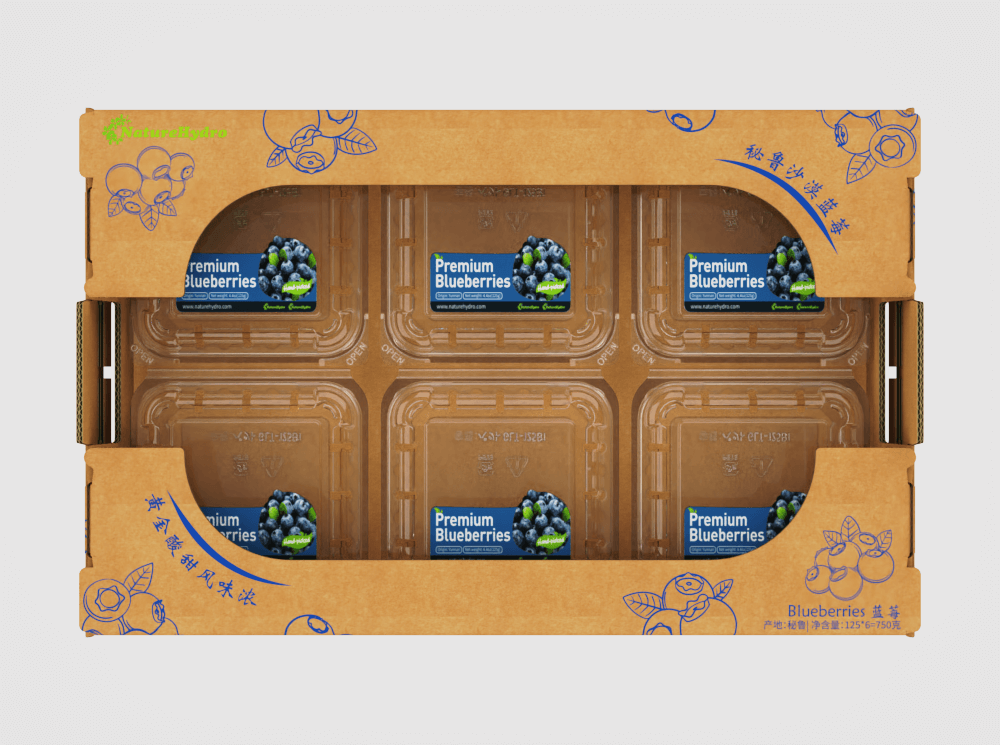
Blueberries have become a globally cherished fruit, not only for their flavor but also for their nutritional value and market potential. As demand grows, so does the need for effective and reliable packaging solutions. Among these, carton boxes play a pivotal role in ensuring the safe transportation, storage, and marketing appeal of fresh blueberries. Choosing the right supplier for these carton boxes is far from a trivial decision—it is an integral component of the supply chain that can influence product quality, customer satisfaction, operational efficiency, and ultimately profitability.
Unlike generic packaging solutions, blueberry carton boxes must meet a unique combination of requirements: they must be lightweight yet durable, breathable yet protective, cost-effective yet aesthetically appealing, and compliant with food safety regulations. This multifaceted demand means that not every supplier, regardless of reputation or scale, is automatically suitable. A decision made solely on cost or lead time can expose growers and distributors to significant risks, ranging from physical damage to regulatory non-compliance.
This article delves into the complex considerations of choosing a reliable supplier for blueberry carton boxes. It explores the interplay between material science, production consistency, supply chain reliability, quality assurance, sustainability, and market expectations. By understanding these dimensions, commercial blueberry producers can make informed decisions that balance performance, cost, and long-term operational stability.
Understanding the Role of Carton Boxes in Blueberry Supply Chains
Before exploring how to select a supplier, it is essential to understand the function and criticality of carton boxes within the blueberry supply chain. Unlike many other fruits, blueberries are delicate and highly perishable. They are susceptible to bruising, moisture damage, and microbial contamination. A well-designed carton box acts as more than a container; it is a protective environment that mitigates mechanical, environmental, and biological risks.
The ideal blueberry carton box addresses several key functions simultaneously:
Structural Integrity: It must withstand stacking during transport and storage without collapsing, deforming, or compromising fruit integrity. This is particularly crucial in long-distance shipments or during high-volume distribution periods.
Ventilation: Adequate airflow reduces moisture accumulation, helps regulate temperature, and prolongs shelf life. The design and perforation pattern must support passive cooling without sacrificing strength.
Food Safety Compliance: Material selection, adhesives, inks, and coatings must meet regulatory standards, including food-grade certification where applicable. Non-compliant materials can compromise consumer health and lead to legal liabilities.
Operational Efficiency: Ease of handling, foldability, and compatibility with automated packing lines can reduce labor costs and increase throughput.
Marketing Considerations: Carton boxes serve as the first point of visual interaction for consumers. Branding, print quality, and aesthetic appeal can influence buyer perception and willingness to pay a premium.
Recognizing these multifaceted roles clarifies why selecting a supplier requires a holistic evaluation, not just a focus on price or lead time.
Evaluating Supplier Expertise and Capabilities
A supplier’s expertise is often reflected in its understanding of both material science and blueberry logistics. A reliable supplier demonstrates knowledge of the specific challenges associated with blueberry packaging and the flexibility to adapt to evolving needs.
Material Science and Innovation
High-quality carton boxes rely on materials that balance weight, strength, and breathability. While corrugated fiberboard is the standard, variations in flute size, ply configuration, and board density significantly influence durability and ventilation. A competent supplier can advise on material specifications that match both transportation conditions and the type of blueberries being shipped.
Moreover, innovation in sustainable materials—such as recycled paperboard, biodegradable coatings, or plant-based inks—has become increasingly important. Suppliers who invest in research and development are better positioned to provide solutions that meet contemporary sustainability standards while maintaining functional performance.
Production Consistency
Even the most innovative design is worthless if production is inconsistent. Variability in dimensions, perforation patterns, or board strength can compromise stacking stability, airflow, and automated handling. Reliable suppliers implement strict quality control systems, such as in-line measurement, random batch testing, and process standardization, to ensure that each batch of carton boxes meets agreed-upon specifications.
Customization and Flexibility
Different blueberry varieties, pack sizes, and distribution models may require specialized carton designs. A supplier’s ability to offer custom dimensions, print designs, and structural configurations—while maintaining production efficiency—is an indicator of reliability. Flexible suppliers can adapt to seasonal fluctuations, experimental varieties, or branding updates without causing significant delays or cost overruns.
Assessing Quality Assurance and Compliance
Quality assurance is more than a set of inspections; it is a systematic approach to minimizing risk throughout the production process. Suppliers with robust QA protocols can significantly reduce the probability of receiving defective boxes, which, for perishable goods like blueberries, can be catastrophic.
Certifications and Regulatory Standards
Suppliers should provide documentation confirming adherence to relevant food safety and environmental standards. These may include:
FDA or EU food-contact compliance
ISO 9001 quality management certification
ISO 14001 environmental management certification
FSC or PEFC certification for responsibly sourced materials
Compliance ensures that the carton boxes do not introduce contaminants and that the supplier maintains consistent production practices aligned with global best practices.
Testing Protocols
Beyond certifications, suppliers should conduct practical tests that simulate real-world handling:
Compression tests to assess stacking strength
Drop tests to evaluate resistance to handling shocks
Humidity and ventilation trials to monitor airflow effectiveness and moisture management
Suppliers willing to provide detailed test results and collaborate on field trials demonstrate a commitment to quality and reliability.
Evaluating Supply Chain Reliability
A carton box supplier is only as reliable as its ability to deliver consistently and on time. Delays, shortages, or inconsistencies in production schedules can disrupt the entire blueberry supply chain, resulting in missed market windows and financial losses.
Lead Times and Production Capacity
Reliable suppliers provide transparent lead time estimates and demonstrate the capacity to meet peak seasonal demand. For blueberries, which have a short harvest window, this can be particularly critical. A supplier who cannot scale production or guarantee timely deliveries introduces operational risk.
Geographical Considerations
Proximity of the supplier to production or distribution centers affects both cost and risk. Local suppliers may offer faster turnaround and reduced transportation costs, whereas overseas suppliers require careful planning for shipping schedules and customs clearance. Assessing the supplier’s logistics network and contingency planning is crucial.
Inventory Management and Flexibility
Suppliers that maintain buffer stock or offer flexible production scheduling can accommodate unexpected demand spikes or changes in packaging specifications. This flexibility often differentiates truly reliable partners from those that struggle to adapt to market volatility.
Sustainability and Environmental Responsibility
Modern blueberry consumers and commercial buyers increasingly value sustainability. The choice of carton box supplier can have implications beyond operational efficiency—it can influence brand perception and compliance with retailer sustainability requirements.
Material Sourcing
Suppliers committed to sourcing certified, renewable, or recycled materials demonstrate environmental responsibility. This aligns with market trends and can facilitate entry into premium retail channels that prioritize sustainable packaging.
Waste Reduction Practices
Efficient cutting patterns, minimal ink usage, and reduced water consumption in production contribute to sustainability and may lower costs. Suppliers who integrate these practices into their operations often exhibit a higher level of operational maturity and reliability.
Building Long-Term Partnerships
A reliable supplier is not just a transactional partner; it is a strategic ally. Developing a long-term relationship allows for collaborative problem-solving, shared innovation, and improved operational resilience.
Communication: Transparent and responsive communication is critical. Suppliers who proactively provide updates, flag potential issues, and respond promptly to queries reduce uncertainty.
Collaboration on Design and Innovation: Partners who engage in joint design initiatives can create packaging solutions optimized for both blueberry quality and market appeal.
Performance Monitoring: Establishing key performance indicators (KPIs) for quality, delivery, and sustainability helps maintain accountability and continuous improvement.
Investing in a supplier relationship based on trust, expertise, and shared goals often yields higher long-term value than selecting purely on short-term cost considerations.
Balancing Cost and Value
While price remains a factor in supplier selection, it should never overshadow the broader considerations of quality, reliability, and compliance. Inadequate packaging may save money upfront but lead to higher losses due to damaged fruit, regulatory fines, or reputational harm. The most effective decision-making involves a nuanced assessment of total cost of ownership, encompassing:
Material and production costs
Transportation and storage efficiency
Loss prevention and product protection
Marketing and branding benefits
Sustainability compliance and market positioning
A supplier offering a slightly higher price but demonstrably superior quality, consistency, and support may ultimately provide better economic and operational value.
Conclusion
Choosing a reliable supplier for blueberry carton boxes is a complex decision that requires careful evaluation of multiple interconnected factors. From material quality and structural design to compliance, production consistency, supply chain reliability, sustainability, and collaborative potential, every dimension influences both operational performance and market outcomes.
Commercial blueberry producers must look beyond cost and consider the strategic impact of packaging on fruit quality, brand perception, and supply chain efficiency. Suppliers who demonstrate expertise in material science, robust quality assurance protocols, proven delivery reliability, and a commitment to sustainability are more likely to provide value that extends far beyond the initial purchase price.
Ultimately, a reliable carton box supplier is not merely a vendor but a partner in preserving product integrity, enabling market success, and supporting sustainable growth. By investing time and diligence in supplier evaluation, blueberry producers can secure both immediate operational benefits and long-term strategic advantages in an increasingly competitive global market.

Find details of companies Supplying Carton Box, Manufacturing & wholesaling carton board boxes in India.
Get Carton Box at best price from Carton Box Retailers, sellers, traders, exporters & wholesalers listed at ExportersIndia.com.https://www.exportersindia.com/indian-suppliers/carton-box.htm

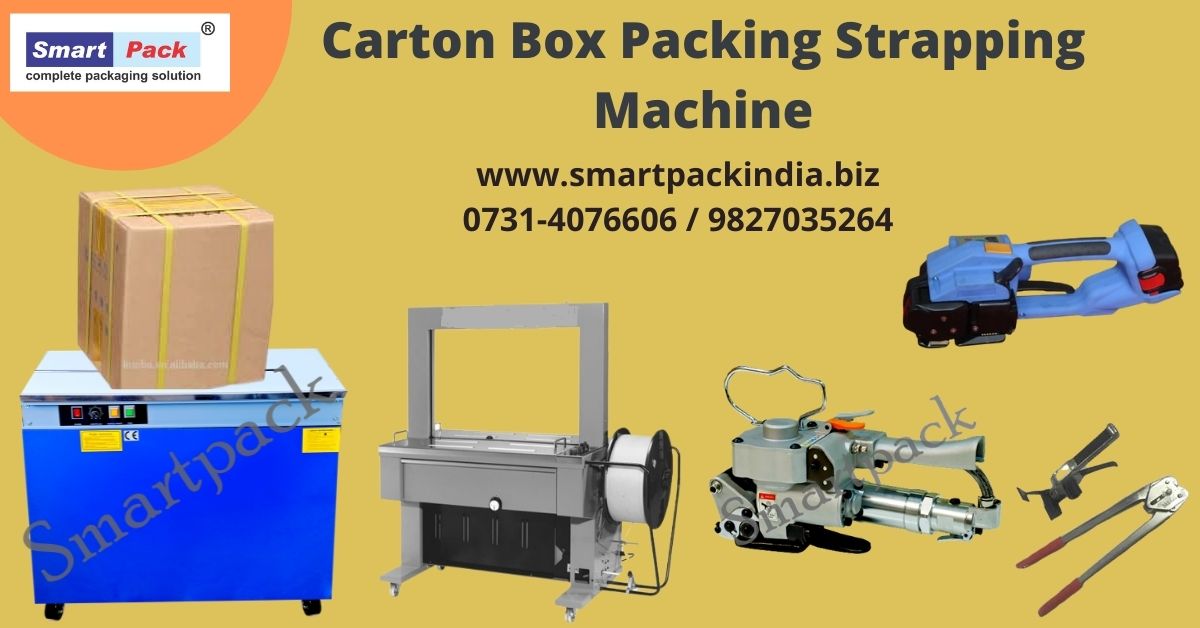
Box Strapping Machine is suitable for cartons, calcium-plastic cases, books, soft and hard packages as well as all kinds of articles in square, cylinder, or annulations.
The machine with a high table is suitable for general objects, while that with a table in middle height is suitable for those packages that are larger or heavier.
A strapping machine with a very low table is suitable for packages that are very large or heavy.
The Pneumatic Strapping Machine which we offer finds great application in Packaging Industry.
These Carton Box Packing Strapping Machine are designed for neutral packaging.
Widely used in companies that export iron, textile, household, electrical appliance, stone material, and chemical fiber, the Pneumatic Strapping Machine finishes the soldering of PET tape at high speed.