


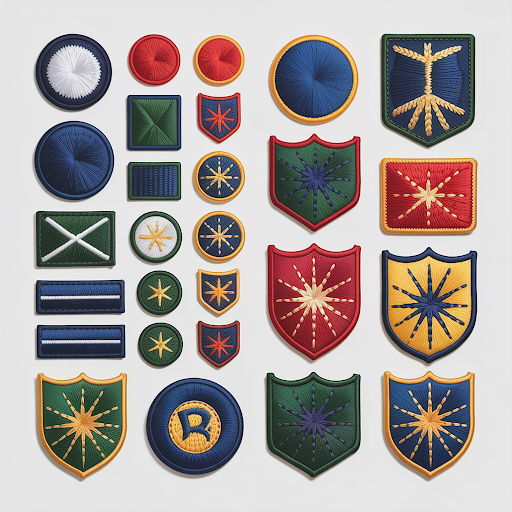
Custom patches have become a practical way for people, teams, small brands, and clubs to show identity through simple fabric art. They work well on jackets, bags, caps, school uniforms, and workwear. In the UK, the options for custom patches have grown, which means you can find many styles, materials, and techniques. With so many choices, it helps to know what to look for. This guide gives you clear steps and simple points to help you pick the right patches for your needs.
Know Your Purpose First
Before choosing any design or material, you need to understand why you want custom patches. This step will guide the rest of the choices you make.
Common Reasons for Using Patches
Team or club identity
Fashion style
School or company branding
Event badges
Personal outfits
Collectible designs
Thinking about your purpose helps you choose the right fabric, size, colours, and backing type.
Pick the Right Patch Style
Different patch styles work better for different uses. In the UK, the most common choices are embroidered, woven, printed, rubber, and chenille patches.
Patch Types to Consider
Embroidered patches
These bring a bold and classic look. They suit jackets, caps, school uniforms, and outdoor clothing.
Woven patches
These have clean details and work well for small text or sharp artwork.
Printed patches
These are suitable for complex artwork, photos, or gradient colours.
Rubber PVC patches
These are strong, water resistant, and good for outdoor gear.
Chenille patches
These carry a soft and textured feel. They are popular for varsity jackets and letterman styles.
Think about how much detail your design needs and where the patch will sit.
Choose Fabric and Thread Quality
The quality of fabric and thread plays a big role in how long patches last. If you want your custom patches to handle washing, daily wear, or outdoor use, the fabric should be strong and comfortable.
Factors to Check
Thread strength
Fade resistance
Comfort on skin
Texture of the surface
Suitability for your clothing item
For example, cotton backings feel soft, while polyester backings are better for outdoor use.
Think About Patch Size and Shape
Size influences the look and comfort of your patch. Large patches work well on the back of jackets, while small ones suit sleeves, hats, or bags.
Helpful Points on Size
Small patches are best for text or logos
Medium patches work for club names or badges
Large patches suit bold artwork
If you need a unique shape, custom cutting gives more creative room.
Pick Colours That Stand Out
Colour plays a major part in how your patch looks. You can match it to your clothing or make it stand out.
Simple Colour Tips
Pick colours that match your brand or outfit
Use contrast for better visibility
Keep the palette simple for small patches
Make sure text colours are readable
Good colour choices help your patch look clear and stylish.
Think About Quantity and Budget
The number of patches you need will affect your cost. You do not need to buy too many at once, but ordering the right quantity helps you save time and money.
Tips for Planning
Note how many items need patches
Check if you need extra pieces
Look at the size, as larger patches cost more
Keep the design simple to reduce cost
Order a sample first if possible
Planning ahead makes the process smoother.
Review Your Final Design Carefully
Before you go ahead, take a moment to look at your final design. Check the spelling, colours, size, and layout. A small correction at this stage saves effort later.
Conclusion
Choosing custom patches in the UK is simple when you follow the right steps. Start with your purpose, pick a patch style that fits your design, and choose good materials. Think about the size, colours, and backing type, then review your design before finalizing it. With a clear plan, you can create patches that look good, feel comfortable, and last a long time.
Visit here for more informational news at https://www.zupyak.com/.

Do your suppers address their issues?
You can provide them with supplements as well.Products from Ephedrine Brands can be of great help to their health.
The most important vitamins and minerals that your children's needs are:Fiber Fiber isn't a vitamin or mineral, yet foods that are high in fiber additionally will, in general, be stuffed with numerous vital supplements, similar to vitamin E, vitamin C, calcium, magnesium, and potassium.
Foods high in fiber incorporate berries, broccoli, avocados, and cereal.
Another wonderful wellspring of fiber is any bean, for example, naval force, pinto, red, or kidney beans, or chickpeas.
Calcium Calcium is the principal building square of bones and teeth.

There are various, a lot of specialist carpet cleaning companies in quite a few cities across the United states of america all competing for giving cleaning services.
This short article can help you, the homeowner or renter, to answer a handful of in the most common inquiries that may possibly come up any time you are contemplating cleaning your carpets.
Carpets need to be professionally cleaned and maintained by reputable specialist carpet cleaners for the reason that homeowners and renters could experience health problems which will be caused by long-term soiled carpet.
Further, most homeowners usually do not know how to make use of these store-rented cleaners correctly, so they could possibly leave their carpets inside a extra hazardous situation immediately after their "cleaning" than before their attempt was created!
These may cause airborne respiratory dangers as they evaporate more than time, and are also potentially harmful for young children or pets that on a regular basis commit time on your floor!
Be sure to pick cleaning services that are capable to obtain all these soils and stains out!