


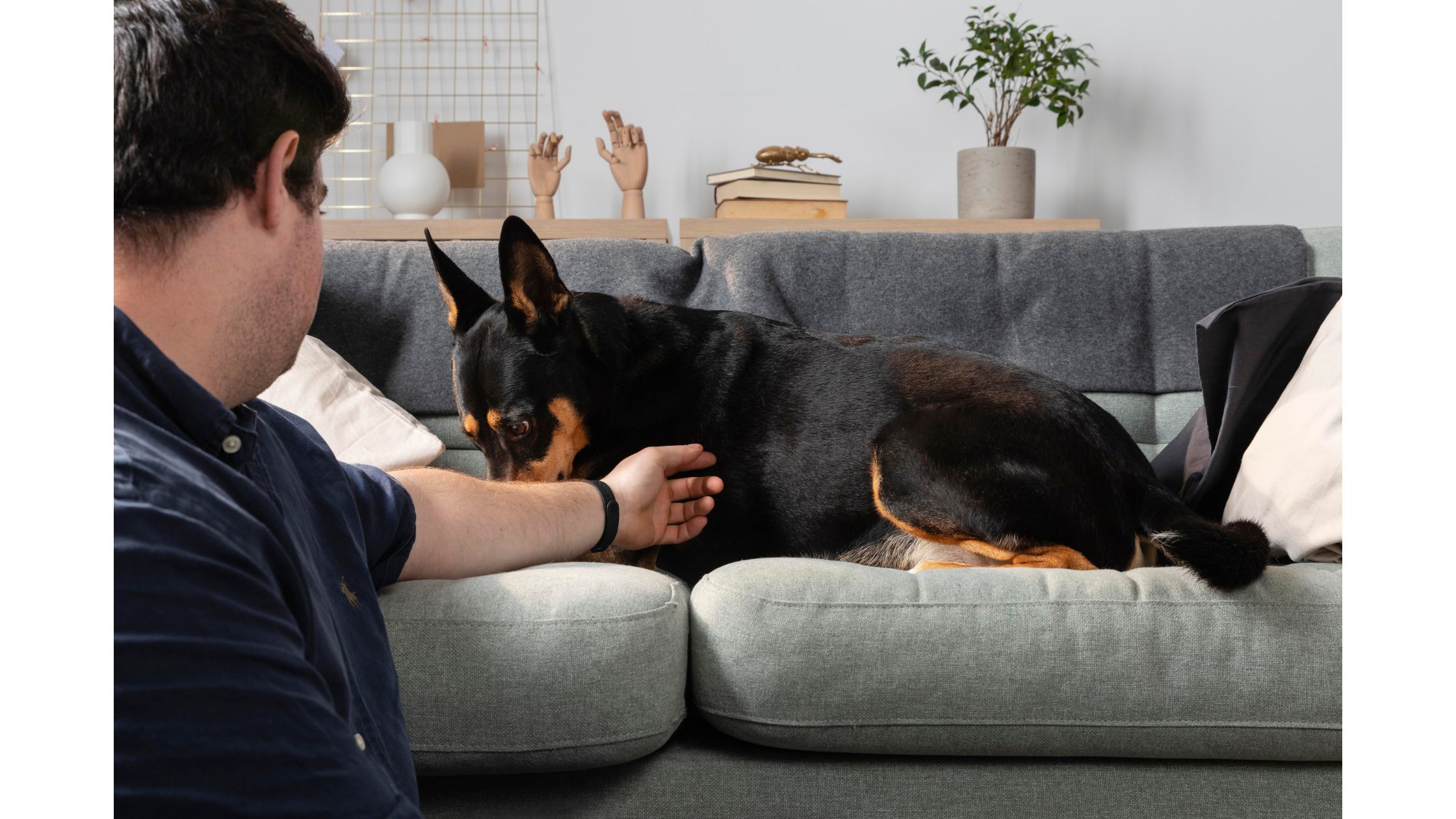
Some dogs are not just shy. They shake, hide behind furniture, refuse to walk, or bark in a panic when something scares them. These reactions may seem strange or sudden, but they are often signs of deep fear. Extreme fear in dogs is not a small problem or something a dog simply outgrows. It is a serious issue that can affect their health, behavior, and happiness. To help a dog overcome this fear, owners first need to understand where the fear comes from. Once the cause is clear, Fearful dog behaviour therapy can guide the dog toward feeling safe and confident again.
Understanding What Fear Feels Like for Dogs
Fear is a normal emotion that helps all animals protect themselves. However, extreme fear is different because the dog feels unsafe even when nothing dangerous is happening. A harmless sound, a new person entering the home, or a strange object on a walk can make a fearful dog panic. Some dogs freeze and refuse to move. Others shake, whine, or try to run away. A few may bark loudly because they do not know how else to cope.
These behaviors do not mean the dog is trying to be difficult. They mean the dog is overwhelmed and cannot calm down alone. Families who see fearful dog behaviour in Edmonton often feel confused or helpless, but with the right support, improvement is possible.
Common Reasons Why Dogs Develop Extreme Fear
1. Poor or Limited Socialization
When puppies are young, they need to see many different things, such as people, places, sounds, and animals. This helps them learn that the world is safe. If they do not get these experiences, they may grow up frightened by ordinary sights and noises. A dog that seems scared of new situations often misses this important early learning.
2. Traumatic Experiences
A single scary moment can stay in a dog's memory for a long time. Loud fireworks, being yelled at, rough handling, or being attacked by another dog can create a strong fear response. After a bad experience, the dog may react fearfully whenever something reminds them of that moment, even if they are now safe.
3. Genetics and Natural Sensitivity
Some dogs are born more sensitive than others. Their breed or family history can make them naturally more anxious or shy. These dogs are not weak. They simply need more time, patience, and confidence-building to feel secure.
4. Medical Problems
Health issues can make a dog feel uneasy or frightened. If a dog is in pain or struggling with a problem like poor vision or hearing loss, the world may seem confusing or threatening. When fear appears suddenly, many trainers ask owners to visit a veterinarian first to rule out medical causes.
Why Extreme Fear Must Be Taken Seriously?
Extreme fear can affect a dog's entire life. A very fearful dog may avoid going for walks, refuse to meet visitors, or hide whenever something new happens. Constant fear can even cause physical problems such as upset stomach, low energy, or trouble sleeping.
Emotionally, the dog may stop trusting humans or other animals. A dog that is always scared may eventually react by growling or snapping, not because it wants to hurt someone, but because it feels it has no other way to stay safe. Ignoring fear does not make it disappear. Usually, it becomes stronger over time. This is why many owners choose Fearful dog behaviour therapy to help their dogs learn healthier and calmer reactions.
How Behaviour Therapy Helps Dogs Heal?
Behaviour therapy offers gentle and thoughtful ways to help fearful dogs feel safe again. It never uses harsh methods or punishment. Instead, it focuses on patience, understanding, and slow progress.
1. Finding the Fear Triggers
A therapist first identifies what the dog is afraid of. It may be a sound, a person, a moving object, or a certain place. Knowing the trigger allows the therapist to plan the best way to help the dog overcome that fear.
2. Building Trust Slowly
A fearful dog needs to trust the person helping them. Therapists use calm voices, steady routines, and predictable activities to show the dog that nothing bad will happen. Once trust grows, the dog becomes more open to learning.
3. Desensitization
This method helps dogs face their fears in very small steps. If a dog fears loud noises, the therapist might play the noise at a very low volume. When the dog stays calm, the volume is increased little by little. Over time, the dog learns that the noise is not a threat.
Why Professional Guidance Helps?
Families experiencing fearful dog behaviour in Edmonton often need emotional support as well. It can be hard to know how to comfort a scared dog. Therapists guide owners through the whole process and help them avoid mistakes that may slow progress. With a structured plan and expert advice, the dog improves faster, and the family feels more confident.
Final Thoughts
Extreme fear does not mean a dog is impossible to help. It simply means the dog needs time, understanding, and the right tools to heal. With consistent work and the support of Fearful dog behaviour therapy, dogs can grow braver, calmer, and happier. Every step forward, even a small one, brings them closer to a life where they feel safe and loved.
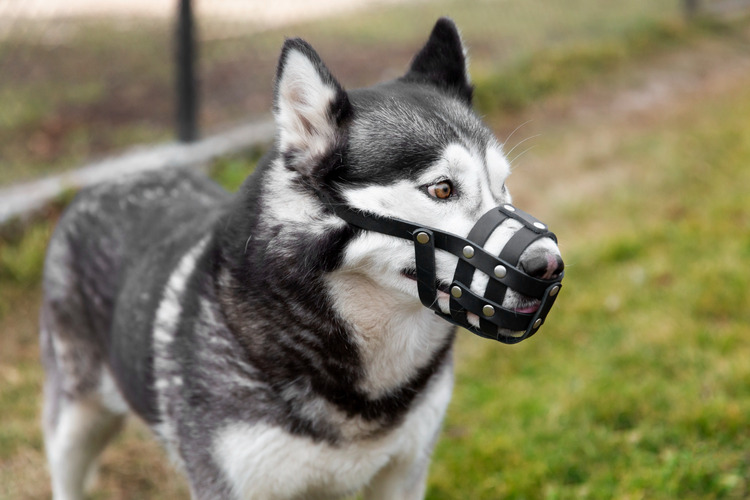
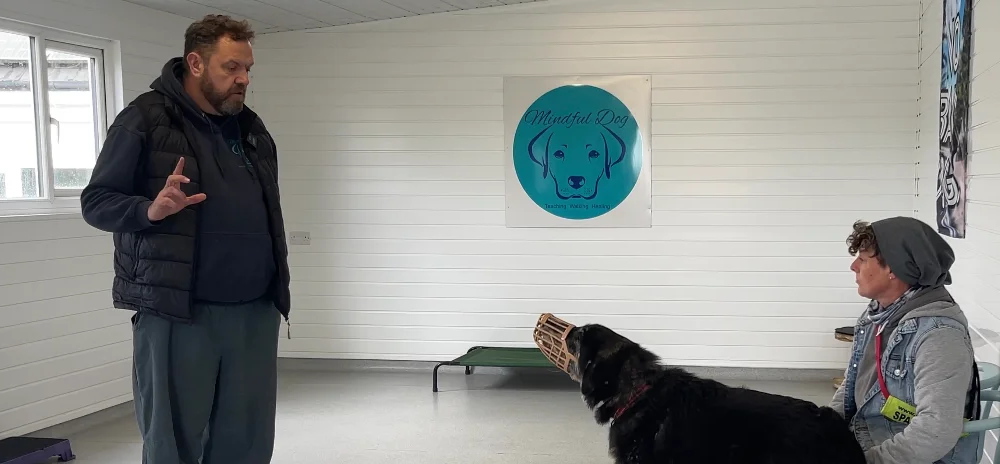
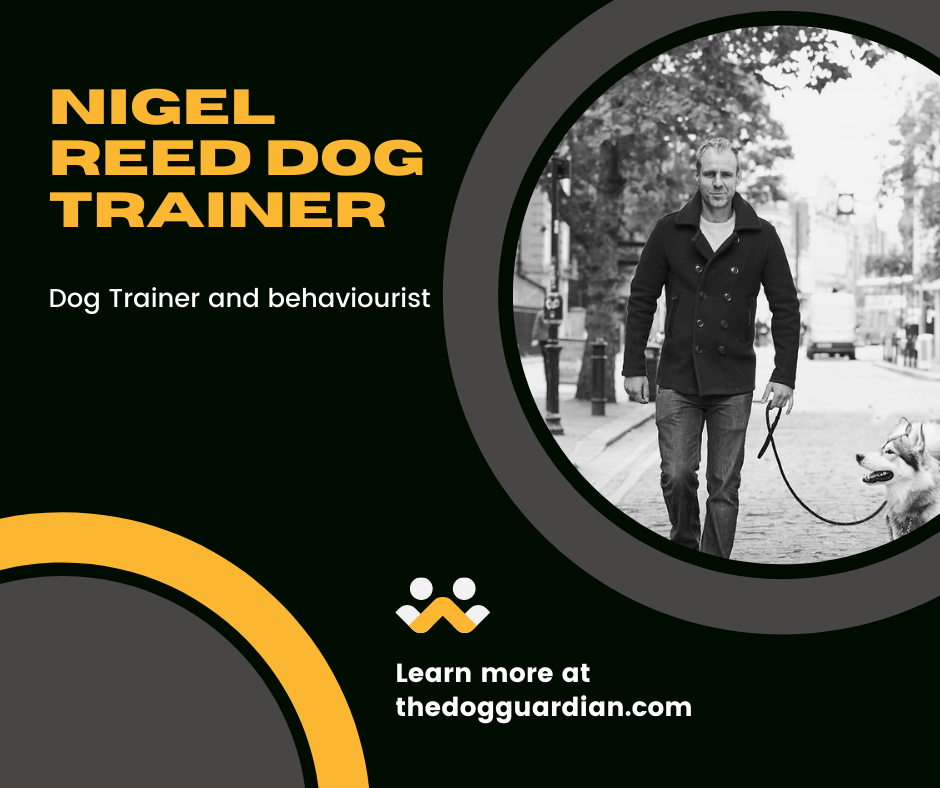
Nigel Reed is a celebrity Dog Trainer and Dog Behaviourist from the United Kingdom.
Nigel Reed Dog Trainer has over 15 years of experience and has dealt with all types of problematic behaviour in Dogs.
He is also the author of book The Dog Guardian that has sold over 21,000 copies, with over 2,000 clients in the U.K and Europe Nigel Reed has proved that there’s nothing that can stop you being successful.