Understanding the Problem You're Facing
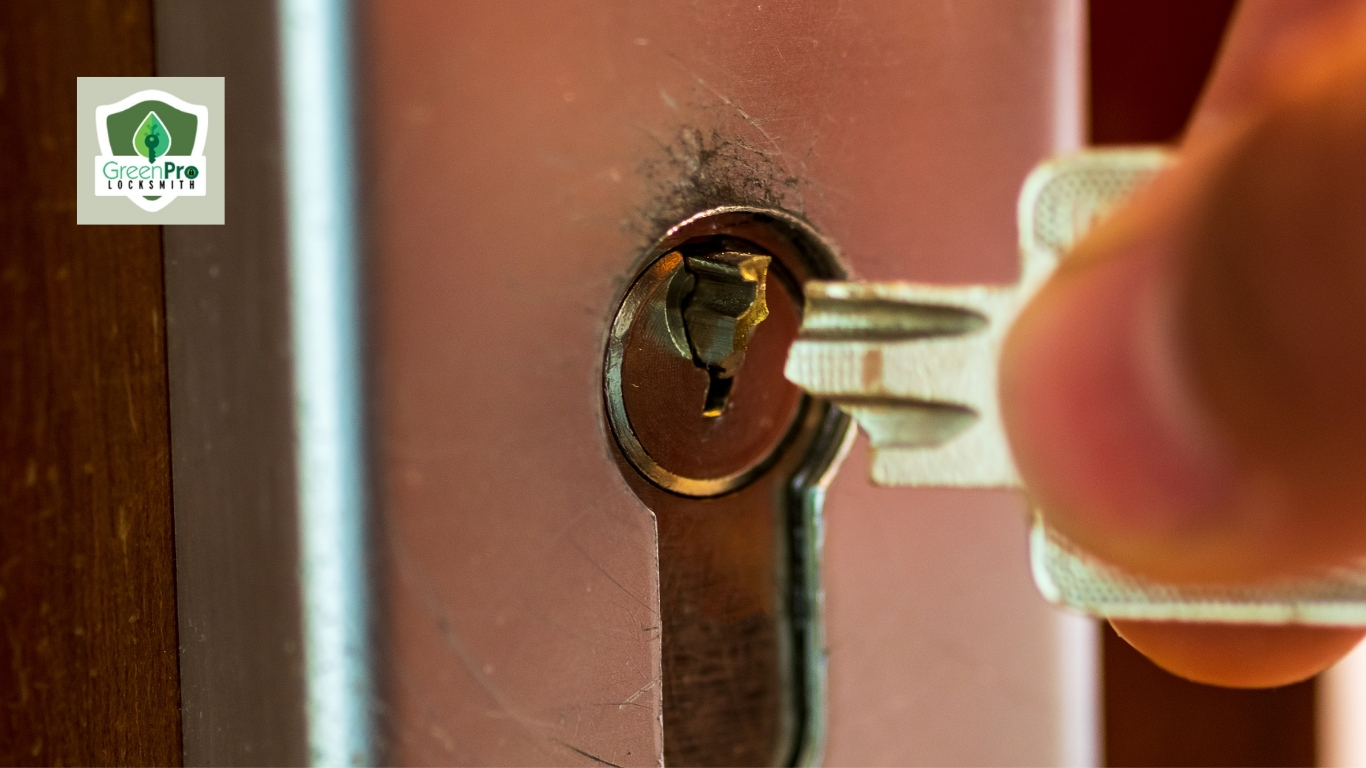
Nothing is more frustrating than when your key snaps off inside your lock. One moment you're turning your key smoothly, and the next—snap—you're left staring at a broken piece of metal stuck deep in your lock cylinder. This problem affects thousands of homeowners and business owners every year, and it often happens at the worst possible time. Whether you're rushing to get into your office, home, or vehicle, a broken key creates immediate stress and urgency.
The real challenge isn't just removing that broken piece. The bigger concern is whether you can do it without damaging your lock mechanism or causing even more expensive problems down the road. This is where understanding your options becomes critical.
Why Keys Break and What Causes Them to Snap
Keys don't just break randomly. Understanding what causes key breakage helps you prevent it from happening again in the future. Metal fatigue is the primary culprit. Every time you insert and turn your key, the metal experiences tiny stress points that accumulate over time. After months or years of regular use, these stress points weaken the key's structure until it finally gives way.
Several factors accelerate this process. Worn keys that have been cut improperly or dulled from heavy use break more easily. A lock that hasn't been lubricated in years creates excessive friction, forcing you to apply extra pressure and twist harder than normal. This added force directly contributes to key failure. Environmental factors also matter—temperature changes, moisture exposure, and rust formation on the key's metal surface all reduce its strength over time.
Many people don't realize that their turning technique plays a role too. Applying excessive force, twisting at an angle rather than straight, or using an older or weaker copy of your original key dramatically increases breakage risk. Even damaging the lock's internal mechanism through previous attempts to repair it can create misalignment, making the key sit at an awkward angle that stresses the metal.
Recognizing Warning Signs Before Your Key Breaks
The good news is that keys usually give you warning signs before they snap completely. Paying attention to these red flags allows you to act before you're stuck in an emergency situation. If your key feels stiff when turning, grinding sounds come from inside the lock, or you notice visible wear patterns on the key's teeth, these are clear indicators that your key is weakening.
Some keys require excessive force to turn all the way. Others seem to stick or catch inside the lock. These signs tell you that either your lock or your key needs attention before complete failure occurs. Taking preventive action at this stage saves you hundreds of dollars in potential damage repair costs and prevents the panic of sudden lockout situations.
DIY Extraction Methods: When They Work and When They Don't
If a piece of your key is still visible sticking out of the lock, you have several DIY options available. These methods work best for straightforward situations where the break is clean and part of the key protrudes from the keyhole.
Needle-nose pliers represent your first practical option. If you can see enough of the broken key, grip it firmly with pliers and gently wiggle it while pulling straight outward. The key word here is "straight"—pulling at an angle or with jerking motions can bend the key further and push fragments deeper inside the lock. Many people successfully use this method for simple, clean breaks.
Key extractor tools from hardware stores offer your next option. These specialized metal tools feature hooked or spiral tips designed specifically to catch onto broken key pieces. You insert the extractor alongside the broken key fragment, twist it to engage with the key's serrated edge, and then carefully pull both pieces outward together.
However, DIY methods have real limitations. If your break is flush with the lock face or completely inside the lock with no visible portion, these methods become nearly impossible. Attempting them anyway risks pushing the key fragment deeper, damaging the lock's internal pins, or creating scratches inside the lock cylinder that compromise security and function.
The saw blade technique carries especially high risk. While this method technically works by hooking a thin hacksaw blade onto the key and pulling it out, improper execution causes permanent lock damage. One slip costs far more than professional extraction would have charged.
When Professional Extraction Becomes Necessary
Some broken key situations demand professional expertise and specialized equipment. If your key is broken completely inside the lock with no visible portion, professional extraction is your best option. Trying to fish it out yourself often results in permanent damage to the lock mechanism.
Complex lock systems, high-security locks, electronic locks, or smart lock systems require professional handling. These sophisticated mechanisms contain intricate components that break easily if you apply incorrect techniques. A professional locksmith possesses the proper equipment and years of training to handle these delicate situations safely.
What Professional Locksmiths Do Differently
Professional locksmiths use tools and techniques that go far beyond basic DIY approaches. They begin with a careful assessment of your specific situation, examining both the lock and the broken key to determine the safest extraction method.
They apply specialized lubricants to reduce friction and ease the extraction process. Their precision extraction tools include surgical-grade instruments designed for complex situations. For keys broken flush with the lock, they use specialized broken key extractors with carefully engineered hook designs that catch the key's serrations without damaging surrounding lock components.
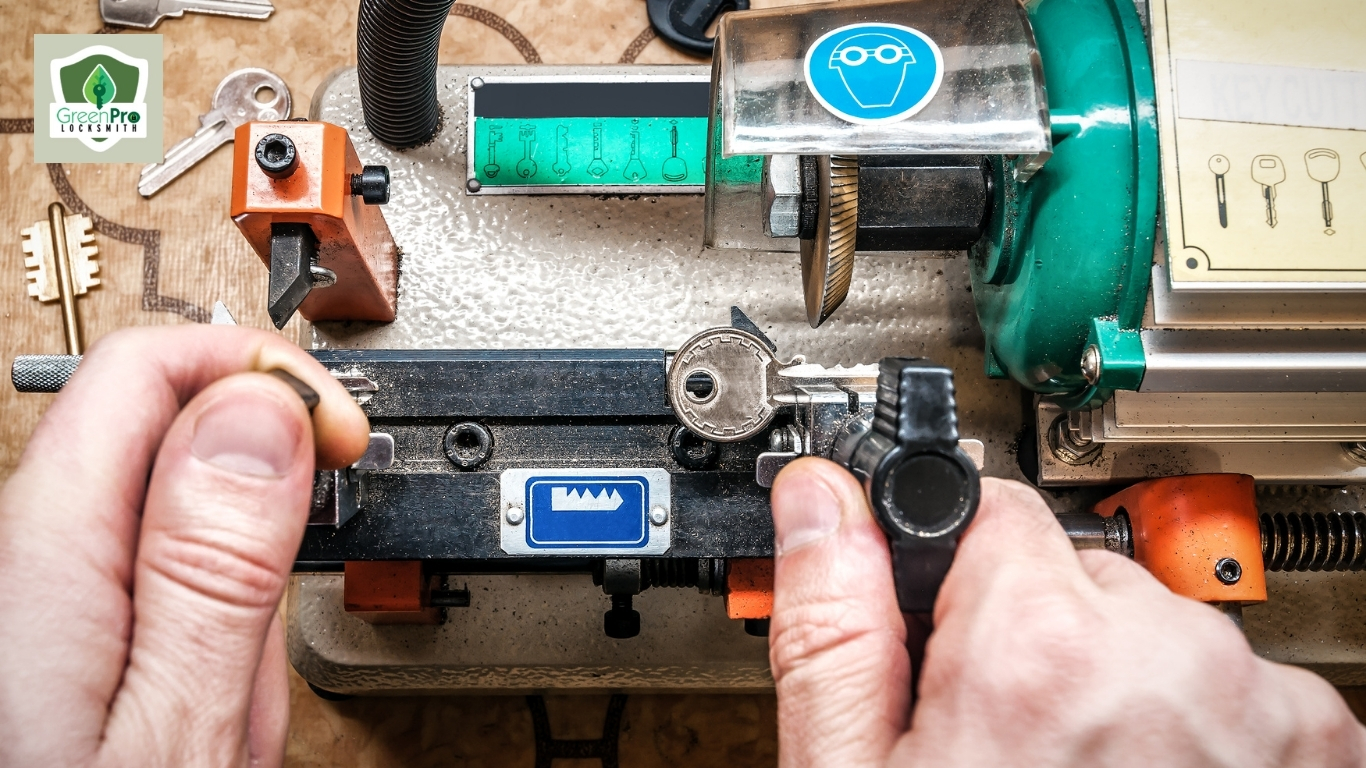
After extracting the broken piece, they don't just leave you with an empty lock. Professional locksmiths inspect the lock for damage, test it with a spare key to ensure it still functions correctly, and typically offer on-site key cutting and programming to create a replacement key immediately. This comprehensive service means you walk away with a working lock and a new key, all completed in one visit.
Choosing the Right Locksmith Sandy Springs Professional
When you need emergency assistance with a broken key, selecting the right locksmith sandy springs service matters tremendously. Professional reputation and credentials should be your first consideration. Check online reviews on Google, Yelp, and other platforms, looking specifically for comments about response time, professionalism, and quality of work.
Verify that your locksmith carries proper licensing and insurance. Licensed professionals have undergone required training and adhere to industry standards. Insurance protects you if anything goes wrong during the extraction process. Request to see their identification and verify their legitimacy before allowing them access to your property.
Response time represents another critical factor. Emergencies don't wait for business hours, so your locksmith should offer 24/7 availability. Ask about their average response time—reliable professionals can typically reach you within 30 minutes. Local locksmiths respond faster than those traveling from distant locations.
Preventing Future Key Breakage
Once your broken key situation is resolved, taking preventive steps keeps it from happening again. Lock lubrication is the single most important maintenance step. Apply graphite lubricant or specialized lock spray into your keyhole annually. This prevents internal mechanisms from stiffening or corroding and keeps your key turning smoothly.
Keep your lock clean and free of dirt and debris. Gently wipe the exterior and use a cotton swab with rubbing alcohol to clean inside the keyhole. Accumulated grime impairs lock function and makes keys harder to insert and turn, putting unnecessary stress on the metal.
Treat your keys with care. Avoid slamming doors, which can misalign your lock mechanism and stress keys at awkward angles. Never apply excessive force when turning your key. If your key feels stuck, apply lubricant first rather than forcing it. If you've had multiple copies made from your original key, use only the original key when possible—copy keys are weaker and break more easily.
Taking Action Today
A broken key stuck in your lock doesn't have to mean a full day of frustration. Understanding your options—from simple DIY methods to professional extraction—gives you the knowledge to make the right choice for your situation. For complex situations, broken keys seated flush inside your lock, or high-security lock systems, professional assistance delivers fast, damage-free results with zero risk to your lock's mechanism.
Don't let this situation escalate into a larger security issue. Greenpro Locksmith specializes in fast, professional broken key extraction with transparent pricing and 24/7 emergency availability. Whether your key broke at 3 AM or during your lunch break, reaching out for professional help today means getting back to your normal routine quickly and safely. Your peace of mind is worth the investment.