


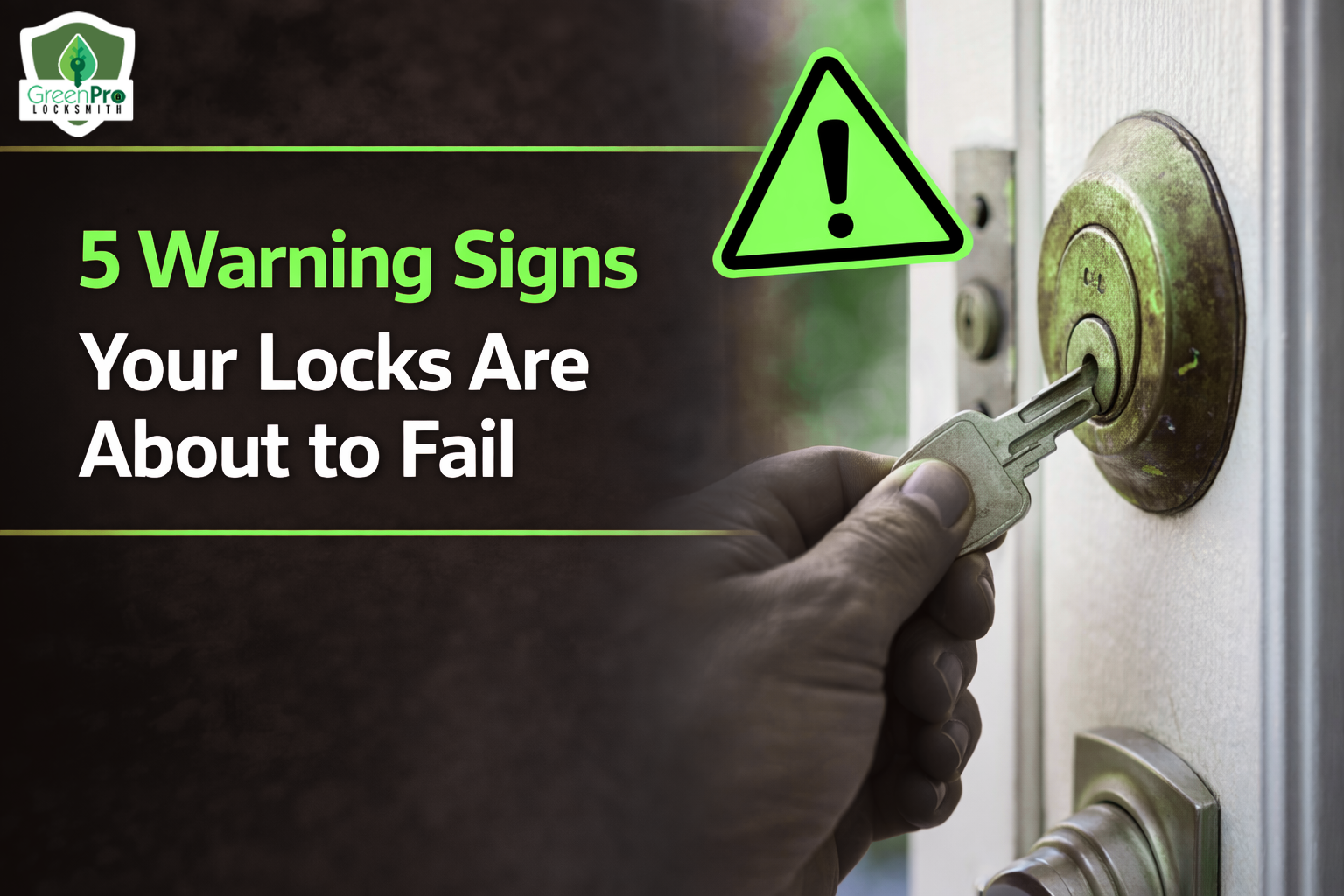
Door locks are one of the most important parts of your home or business security. They work quietly in the background every day, protecting your property, belongings, and loved ones. But like any mechanical device, locks don’t last forever. Over time, regular use, environmental exposure, and general wear can cause them to weaken or malfunction.
Many people ignore small lock problems until the lock suddenly stops working. This can lead to frustrating situations like getting locked out, struggling to secure your door, or even facing a security risk. The good news is that most locks show warning signs before they completely fail.
In this guide, we’ll discuss five warning signs your locks may be about to fail, why these issues occur, and what you can do to prevent bigger problems in the future.
Why Lock Maintenance Is Important
Your locks go through constant use. Every time you enter or leave your home, you turn the key, engage the latch, or operate the door handle. Over the years, these repeated movements slowly wear down the internal components.
Ignoring early signs of wear can lead to:
- Unexpected lockouts
- Broken keys stuck in locks
- Difficulty securing your doors
- Reduced home security
When you notice something unusual with your locks, addressing the issue quickly can save you time and money. In many cases, a professional locksmith in Lawrenceville can inspect the lock and fix the problem before it becomes a complete failure.
1. Your Key Is Difficult to Turn
One of the earliest signs that a lock may be failing is when your key becomes difficult to turn inside the cylinder.
Why This Happens
Several issues can cause a stiff or hard-to-turn key:
- Dirt or debris inside the lock mechanism
- Internal pins wearing out
- Rust forming inside the lock
- Door misalignment causing pressure on the lock
When a key becomes difficult to turn, many people try to force it. This can damage the key or the lock itself.
What You Should Do
If your key isn’t turning smoothly:
- Avoid forcing the key
- Try lubricating the lock
- Check whether the door is properly aligned
If the problem continues, the lock may need professional inspection or replacement.
2. Your Lock Feels Loose
Another clear warning sign is when your door lock or handle starts to feel loose or wobbly.
What Causes Loose Locks
Over time, lock components can loosen due to:
- Frequent daily use
- Door slamming
- Improper installation
- Aging hardware
While a loose lock may still function, it weakens your door’s security. Loose locks are easier to tamper with and may eventually stop working completely.
Quick Fixes
Sometimes tightening the screws on the handle or lock plate can temporarily fix the issue. However, if internal components are worn, replacing the lock is often the safest option.
3. Your Key Gets Stuck in the Lock
If your key frequently gets stuck when inserting or removing it, it’s a major sign the lock is deteriorating.
Common Reasons for Stuck Keys
- Worn-out internal lock pins
- Bent or damaged keys
- Dirt buildup inside the lock
- Internal mechanical damage
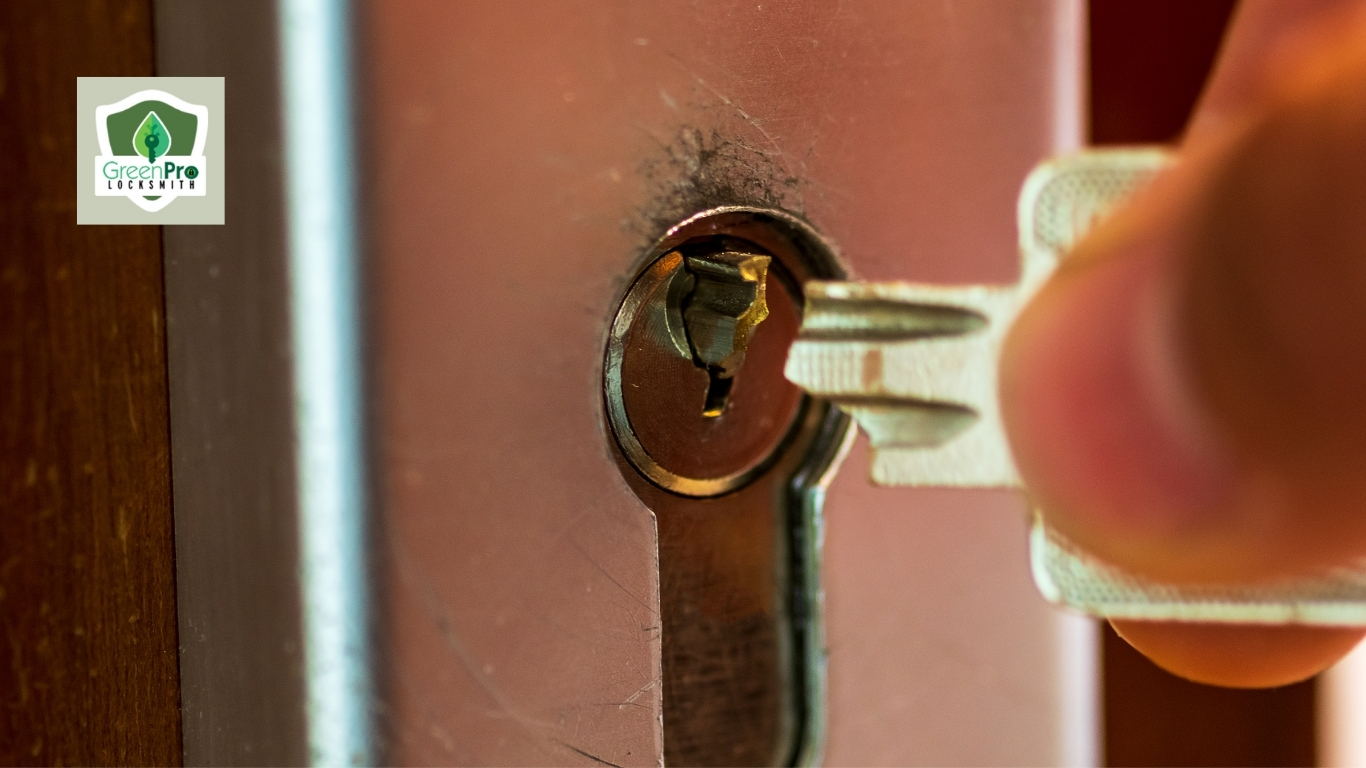
If ignored, this issue can lead to the key breaking inside the lock. Extracting a broken key usually requires professional tools.
Prevention Tips to reduce the risk of stuck keys:
Replace old or damaged keys
Clean the lock periodically
Use proper lock lubricants
Maintaining your lock properly helps prevent unexpected failures.
4. Rust or Corrosion Is Visible
Locks installed on exterior doors face constant exposure to rain, humidity, and temperature changes. Over time, this exposure can lead to rust and corrosion.
Why Rust Is a Problem
Rust weakens the internal components of the lock and can cause:
- Stiff key movement
- Difficulty inserting the key
- Internal mechanism failure
If corrosion spreads inside the lock, it may eventually stop functioning entirely.
What You Can Do
To protect locks from rust:
- Keep exterior locks clean and dry
- Apply protective lubricant
- Replace severely rusted locks
Preventing rust helps extend the life of your locks and keeps your doors secure.
5. The Lock Doesn’t Latch Properly
If your door doesn’t latch properly when closing, the locking mechanism may be failing.
Causes of Latch Problems:
- Door frame shifting over time
- Misalignment between latch and strike plate
- Loose hinges
- Worn-out internal lock components
When a latch doesn’t align properly, your door may not lock securely, which creates a serious security concern.
How to Address It
Start by checking the alignment between the latch and the strike plate. If adjustments don’t solve the problem, the lock mechanism may need replacement.
Ensursing Door Lock Longevity
Taking care of your locks can greatly extend their lifespan and prevent unexpected failures. Practicing proper maintenance is essential for ensursing door lock longevity.
Here are some simple steps homeowners can follow:
1. Lubricate Locks Annually
2. Avoid Slamming Doors
3. Replace Worn Keys
4. Check Door Alignment
5. Schedule Regular Inspections
Following these maintenance practices can help ensure your locks remain reliable for many years.
When to Contact a Locksmith
Some lock issues may appear minor but can indicate deeper mechanical problems. If you notice repeated problems with your locks, it may be time to contact a professional.
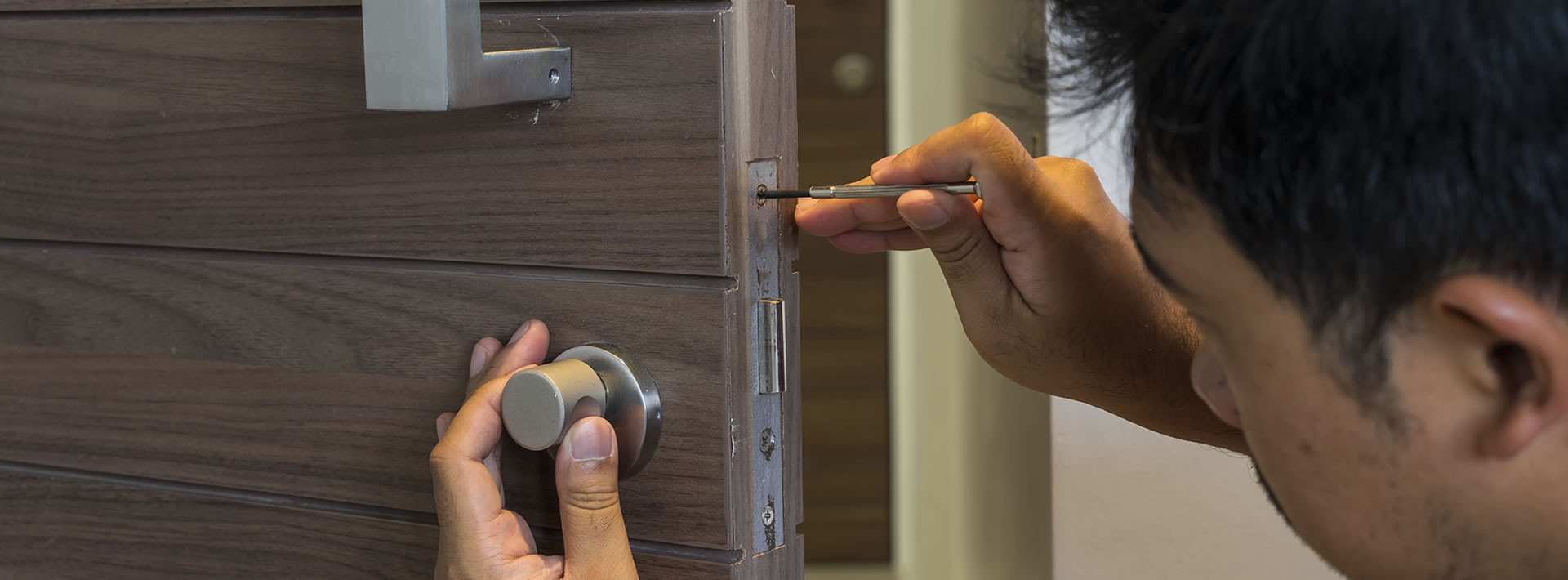
Professional locksmiths can help with:
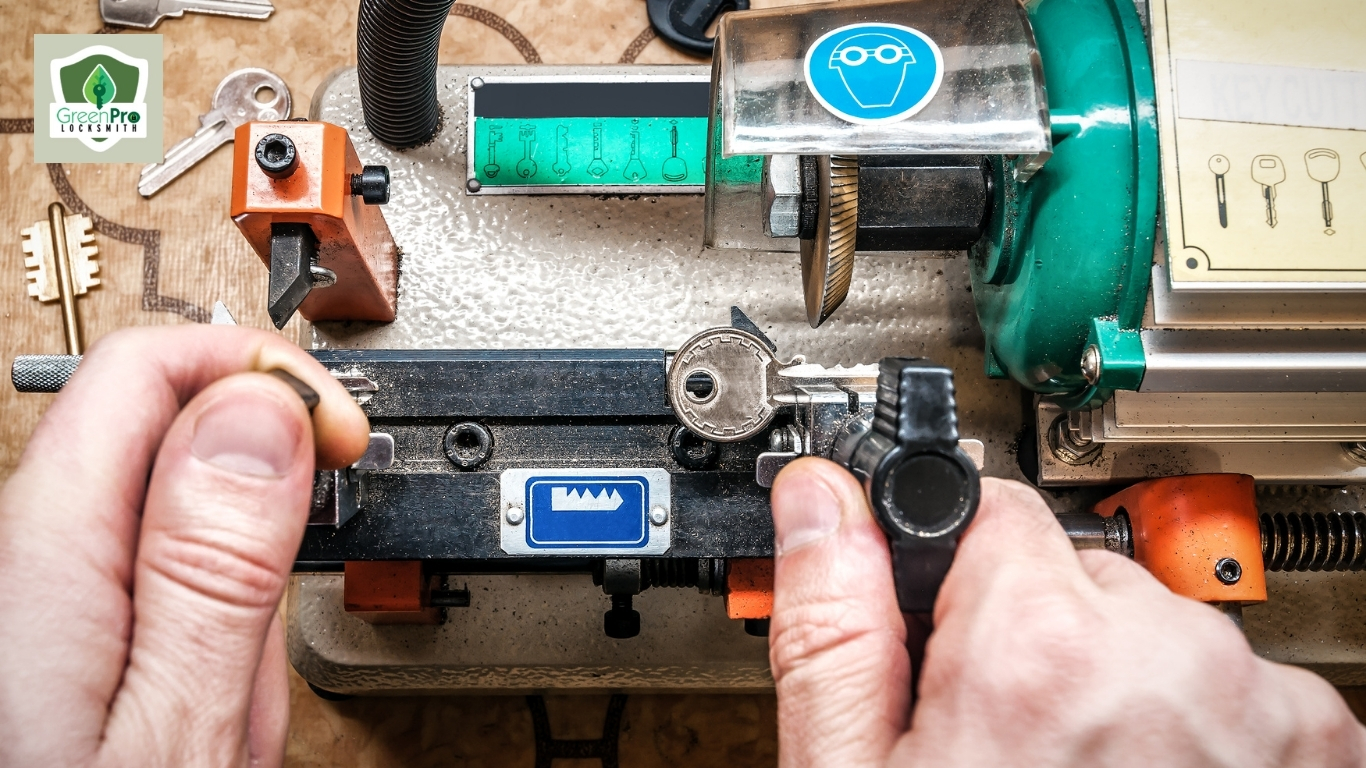
Lock repairs
Lock replacements
Rekeying services
Broken key extraction
Security upgrades
For homeowners looking for dependable locksmith services, GreenPro Locksmith offers professional solutions to keep homes and businesses secure. Expert technicians can diagnose lock issues quickly and recommend the best repair or replacement options.
If you experience recurring lock issues, consulting a trusted locksmith in Lawrenceville can help restore your security and prevent future lock failures.
Upgrading Your Locks for Better Security
If your locks are old or frequently malfunctioning, upgrading to newer lock systems may be a good investment.
Modern lock options include:
Smart Locks
Smart locks allow homeowners to unlock doors using smartphones, codes, or fingerprint access.
High-Security Deadbolts
These locks provide stronger protection against forced entry and lock picking.
Keyless Entry Systems
Keyless locks eliminate the risk of lost keys and offer convenient access control.
Upgrading your locks not only improves security but also reduces maintenance problems.
Frequently Asked Questions (FAQs)
How long do door locks usually last?
Most door locks last 7–10 years, depending on how often they are used and how well they are maintained.
What should I do if my key breaks inside the lock?
Avoid trying to remove it yourself, as this can damage the lock further. A professional locksmith has specialized tools to safely extract broken keys.
Can a lock be repaired instead of replaced?
Yes. Minor issues such as loose hardware or alignment problems can often be repaired. However, severely worn locks usually require replacement.
How often should locks be lubricated?
Experts recommend lubricating locks once or twice a year to maintain smooth operation.
Is it better to rekey or replace a lock?
Rekeying is a good option if the lock hardware is still in good condition but you want new keys. Replacement is recommended when locks are old, damaged, or outdated.
Final Thoughts
Your door locks play a vital role in protecting your home and keeping your family safe. While they may seem like simple devices, locks experience wear and tear over time and eventually need maintenance or replacement.
By recognizing early warning signs—such as difficulty turning keys, loose hardware, stuck keys, rust, or latch problems—you can prevent unexpected lock failures and security risks.
Regular maintenance, proper care, and timely repairs can help keep your locks functioning properly for years. And if problems arise, contacting a professional locksmith ensures the issue is handled safely and effectively.
Staying proactive about your lock maintenance is one of the simplest ways to protect your home, improve security, and avoid inconvenient lockouts in the future.


As an experienced locksmith in Lawrenceville, Top Atlanta Locksmith expert team of specialty trained locksmiths can handle any type of key services for residential, commercial and emergency locksmith projects.
For more details, get in touch with us today!