Melbourne’s coastal regions boast breathtaking views, diverse ecosystems, and unique environmental challenges. Landscaping in these areas requires careful planning, not just for aesthetics but also for sustainability. Coastal landscapes face harsh winds, salt spray, sandy soils, and unpredictable weather, making traditional gardening approaches often ineffective. Eco-friendly coastal landscaping offers a solution, creating beautiful outdoor spaces that are resilient, sustainable, and in harmony with the natural environment.
Choosing Native and Drought-Tolerant Plants
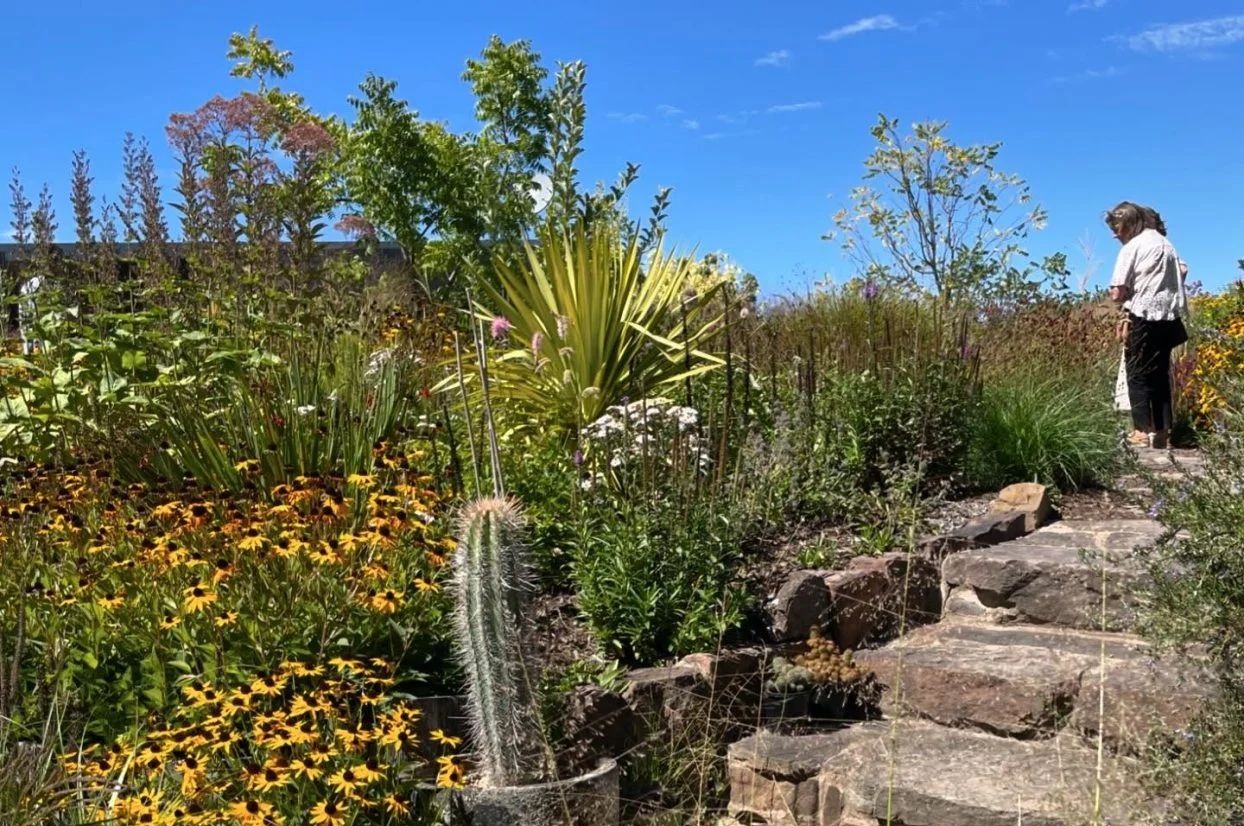
The foundation of eco-friendly coastal landscaping lies in selecting the right plants. Native species are naturally adapted to Melbourne’s coastal conditions and require minimal maintenance, water, and chemical inputs. Plants such as coastal banksia, saltbush, kangaroo paw, and coastal wattle thrive in sandy soils, withstand salty winds, and support local biodiversity by attracting native birds and insects. Drought-tolerant species are equally important, reducing water consumption and making the landscape more resilient to the increasingly unpredictable rainfall patterns associated with climate change. By planting native vegetation, homeowners and landscapers create sustainable gardens that are both functional and visually appealing.
Soil Management and Erosion Control
Coastal areas often face soil erosion due to wind, wave action, and loose sandy soils. Eco-friendly landscaping focuses on stabilizing the soil while enhancing its fertility. Using organic mulch, compost, and natural soil amendments improves soil structure, retains moisture, and reduces the need for chemical fertilizers. Planting ground covers and deep-rooted shrubs can also prevent erosion, while creating a more stable and nutrient-rich environment for other plants. Additionally, incorporating features like swales or rain gardens can manage stormwater runoff, prevent soil loss, and support natural water filtration processes.
Water-Wise Practices
Sustainable coastal landscaping prioritizes water efficiency. Drip irrigation systems, rainwater harvesting, and greywater recycling help conserve water while keeping plants healthy. Grouping plants with similar water requirements ensures efficient irrigation and reduces waste. Additionally, creating rain gardens or using permeable paving materials allows rainwater to soak into the ground rather than run off into storm drains, supporting groundwater recharge and reducing urban flooding risks.
Sustainable Materials and Design
Eco-friendly landscaping is not just about plants—it extends to the materials and design choices. Using recycled or locally sourced materials for paths, garden beds, and outdoor structures reduces environmental impact. Natural stone, sustainably sourced timber, and recycled composites are excellent options for durable, long-lasting landscaping features. Designing gardens that work with the natural contours of the land, rather than against them, also minimizes disruption to local ecosystems and supports natural drainage patterns.
Supporting Local Wildlife
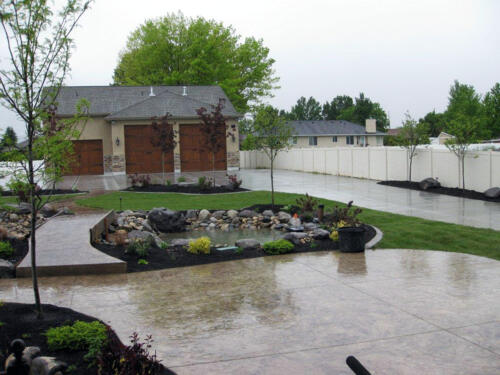
A truly sustainable coastal landscape also prioritizes local fauna. Planting a variety of native shrubs, grasses, and flowering plants creates habitats for birds, bees, butterflies, and other pollinators. Incorporating water features like birdbaths, nesting boxes, or small ponds further enhances biodiversity, turning gardens into mini-ecosystems that thrive year-round.
Conclusion
Eco-friendly coastal landscaping in Melbourne combines environmental responsibility with aesthetic appeal. By prioritizing native and drought-tolerant plants, managing soil and water sustainably, using eco-conscious materials, and supporting local wildlife, homeowners can create resilient, beautiful gardens that respect the delicate coastal environment. Such landscapes not only enhance the visual appeal of coastal properties but also contribute to the long-term health and sustainability of Melbourne’s unique coastal ecosystems.