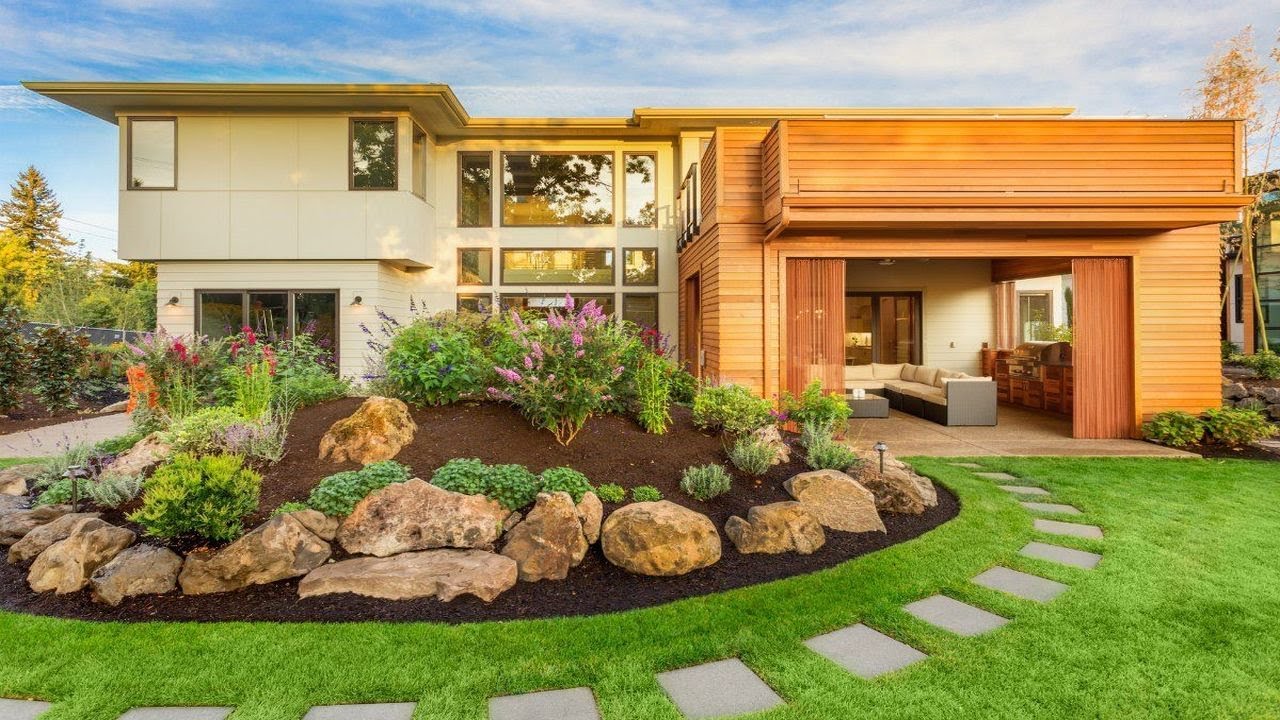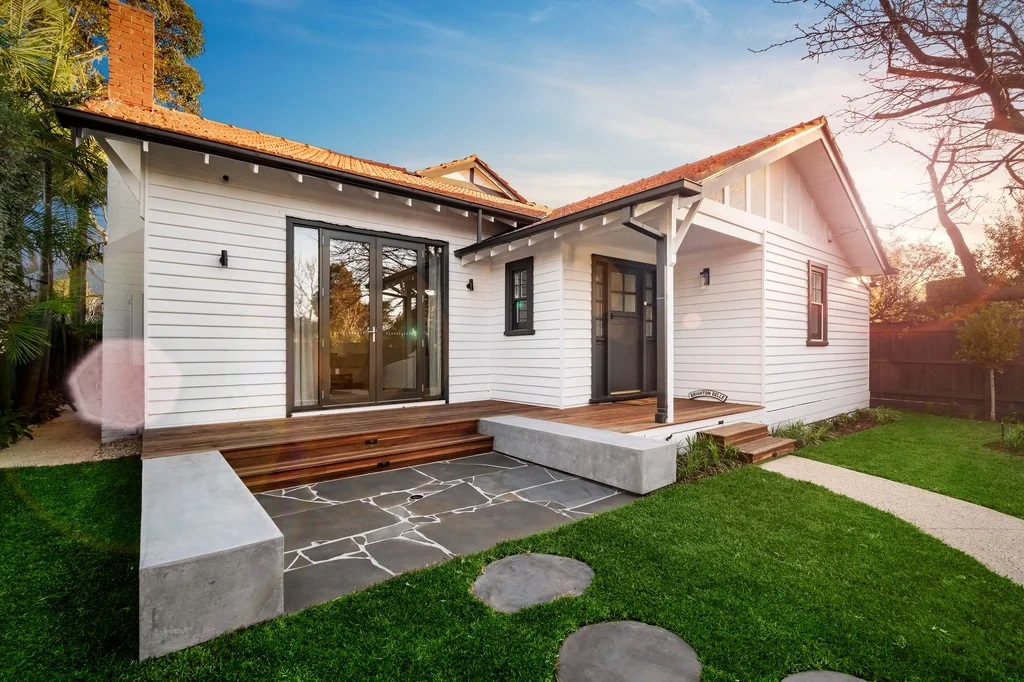
Soft landscaping is the foundation of any successful outdoor space, bringing life, colour, and balance to a landscape design. Selecting the right plants is essential, as climate conditions strongly influence plant growth, longevity, and maintenance requirements. By choosing plants suited to specific climate zones, you can create a sustainable and visually appealing landscape that thrives year-round.
Tropical Climate Zones
Tropical climates are defined by high humidity, warm temperatures, and consistent rainfall. In these conditions, plants with lush foliage and strong moisture tolerance perform best. Palms are a popular choice, adding height and a relaxed, resort-style appearance. Flowering plants such as hibiscus provide vibrant colour throughout the year, while bird of paradise creates a striking focal point. Ferns are also well suited to tropical gardens, particularly in shaded areas, where they enhance depth and texture.
Subtropical Climate Zones
Subtropical regions experience hot summers and mild winters, offering flexibility in plant selection. Evergreen shrubs like gardenias are favoured for their glossy leaves and fragrant blooms, while bougainvillea adds dramatic colour when trained along fences or pergolas. Camellias perform well in these climates, producing elegant flowers in cooler months. Hardy ornamental grasses such as lomandra are commonly used in soft landscaping for their durability, low maintenance, and modern aesthetic appeal.
Temperate Climate Zones
Temperate climates, including much of southern Australia, are characterised by four distinct seasons. Plants chosen for these regions must tolerate both warm summers and cooler winters. Lavender is widely used for its drought tolerance, fragrance, and ability to attract pollinators. Roses remain a classic option for structured and decorative gardens, while box hedging is ideal for defining garden borders and pathways. Ornamental grasses add movement and texture, providing interest across changing seasons.
Arid and Dry Climate Zones
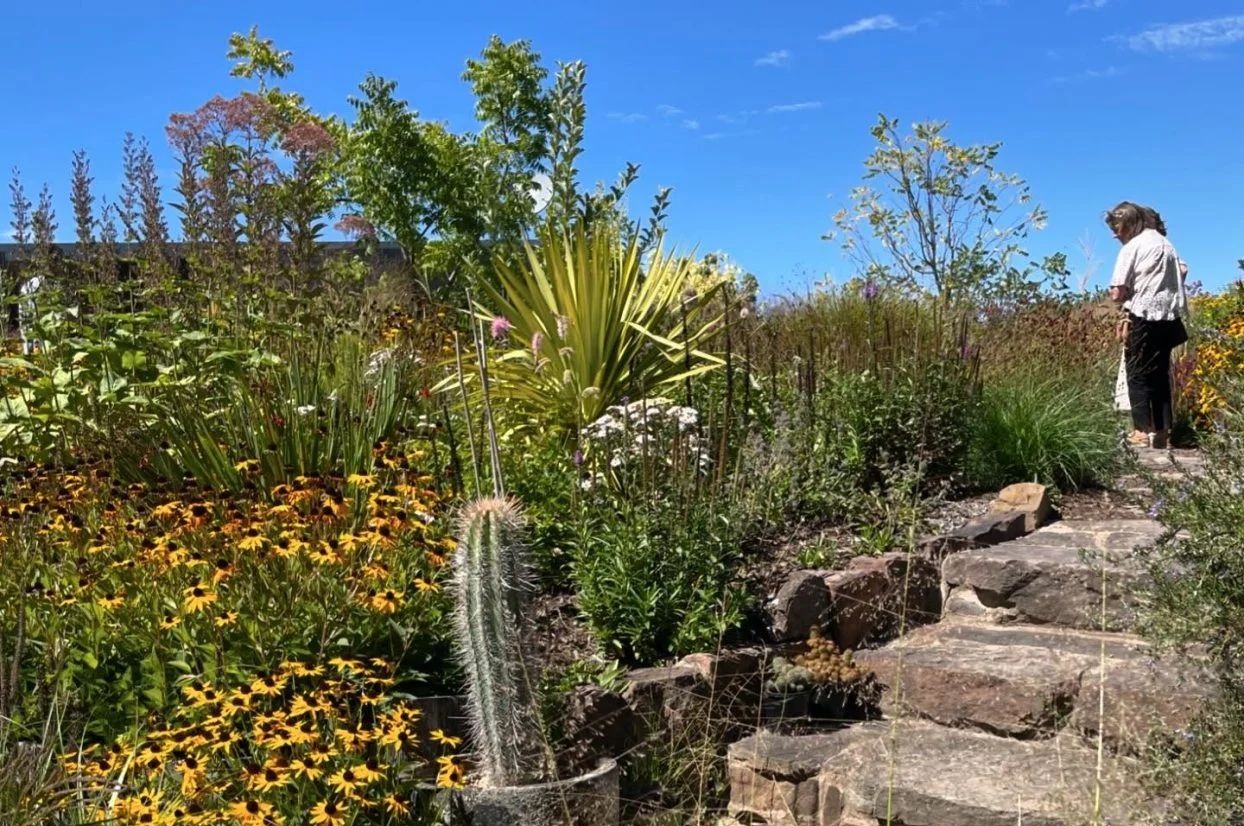
n arid climates, water-efficient landscaping is essential. Plants adapted to dry conditions reduce water usage while maintaining visual impact. Succulents and cacti are excellent choices due to their ability to store moisture and thrive in extreme heat. Agave and aloe plants add architectural form to landscapes, while native Australian plants such as grevillea are well suited to dry environments and attract local wildlife. These plants are ideal for low-maintenance, sustainable soft landscaping designs.
Cold and Alpine Climate Zones
Cold and alpine regions require plants that can withstand frost, snow, and shorter growing seasons. Conifers are commonly used for year-round structure and greenery, while deciduous trees like maple and birch provide seasonal colour and allow sunlight during winter. Perennials such as hellebores bloom in colder months, adding life when many plants are dormant. Groundcovers are also important in these climates, helping to protect soil and reduce erosion.
Hire a Professional Landscaper in Melbourne
For soft landscaping in Melbourne’s temperate climate, expert planning and plant selection are key to long-term success. Forever Green HCs offers professional soft landscaping services tailored to local conditions, ensuring the right balance of beauty, sustainability, and functionality. From plant selection to complete garden transformations, their experienced landscapers deliver high-quality results that enhance outdoor spaces and increase property value. If you’re looking to create a thriving landscape in Melbourne, hiring Forever Green HCs ensures your garden is designed to flourish in every season.