


Patent drawings are special illustrations that show how an invention works or is built. When an inventor submits a patent application, these drawings help patent examiners, engineers, or anyone reviewing the application to clearly see the invention’s design, structure, and unique features. Drawings often include multiple views — for example, front view, top view, side view, section view, and sometimes an exploded view — so that every detail of the invention is visible.
Patent drawings do more than just show what the invention looks like. They support the written description by giving a visual explanation that can be easier to understand than complex technical text. For inventions that involve mechanical parts, assemblies, or unique designs, drawings can make it obvious how the invention is different from what already exists.
What Makes a Good Patent Drawing
A good patent drawing follows a few important rules to make sure it is clear and acceptable for review:
Use neat and precise linework rather than rough sketches. The lines should show edges, surfaces, and boundaries without ambiguity.
Show only the design or invention itself. Avoid adding extra text, shading, or unnecessary markings on the drawing. Labels like “front view” or “side view” are fine, but avoid descriptive paragraphs or dimension numbers directly on the drawing.
Use standard paper size (for many offices, that is A4) and keep consistent margins around the sheet.
Provide enough views so that the invention can be understood fully — such as different orientations or cross-sections, whenever needed.
Maintain consistency in line weight, style, and clarity across all drawings you submit.
By following these guidelines, drawings stay clear, clean, and ready for examination without confusion or misinterpretation.
What Information You Need to Provide to Get Patent Drawings Created
If you want someone (or a drafting team) to prepare your patent drawings, you should provide:
A clear description of your invention — how it works, what parts it has, and what makes it unique.
Sketches, rough drawings, or photographs of your invention, if you have them. These can help visualise shape and structure.
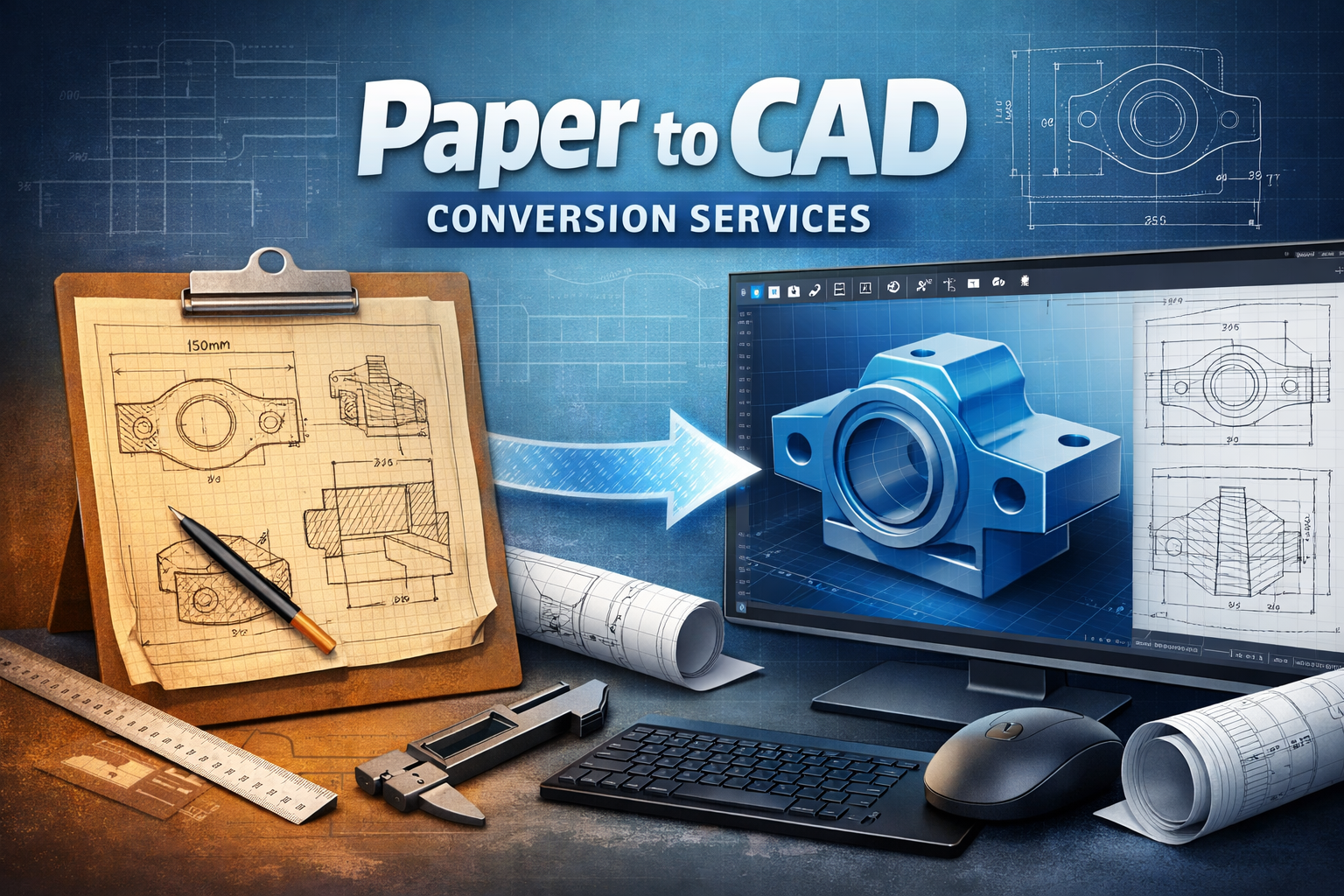
If you already have CAD models (2D or 3D), they help a lot — especially for complex parts or assemblies.
Any views you think are needed: front, side, top, exploded views, or sectional views, depending on complexity.
Clarification on which parts are essential for your patent claims, so the drawings emphasise those elements correctly.
With this input, the drafter can create a full set of polished patent drawings that meet official standards and clearly represent your invention.
How Patent Drawings Help Your Patent Application
Patent drawings play a few key roles during patent filing and review:
They reduce ambiguity. Even with good written detail, complex inventions can be hard to understand. Drawings give a visual cue that makes structure and function easier to grasp.
They support claims. Since they show how parts fit or work together, they reinforce what you claim is novel or inventive.
They ensure compliance. Many patent offices require drawings for inventions involving apparatus, mechanisms, or structural designs. Without proper drawings, an application may be delayed or rejected.
They provide consistent visual documentation. Unlike photos or rough sketches, clean vector-style drawings remain clear and reproducible — ideal for legal records and long-term archiving.
When to Choose Professional Patent Drawing Services
If your invention is simple — for example, a basic mechanical device or a design with few parts — you might handle drawings yourself. But for complex devices, assemblies, or inventions requiring multiple views and clarity, a professional drafter can make a big difference. Professionals ensure that:
Drawings meet the required standards (paper size, margins, line weight, clarity).
All important views are included and properly labeled.
The drawings remain clean and free from errors or unnecessary details.
Files are delivered in formats accepted by patent offices.
Especially when you have limited drafting experience, engaging a skilled team saves time and reduces the risk of rejection due to poor drawings.
Conclusion
Patent drawings are a vital part of many patent applications. They give clarity, strengthen claims, and make sure your invention is represented accurately. By providing a clear description, sketches, or CAD models, you can get a full set of compliant drawings that help convince patent authorities of your invention’s novelty. Whether you draft them yourself or use professional services, good drawings are essential to a smooth and successful patent process.

In the new order of world affairs, events have taken a different shape altogether.
To keep people’s spirits high and bring them together at a seamless platform is where the virtual events shine bright.Virtual events are online events often featuring webinar and webcasts, ranging from small meet-ups to large scale conferences.
Virtual events are the best way to reach out to a large-scaled audience or even create buzz for prospective attendees.