


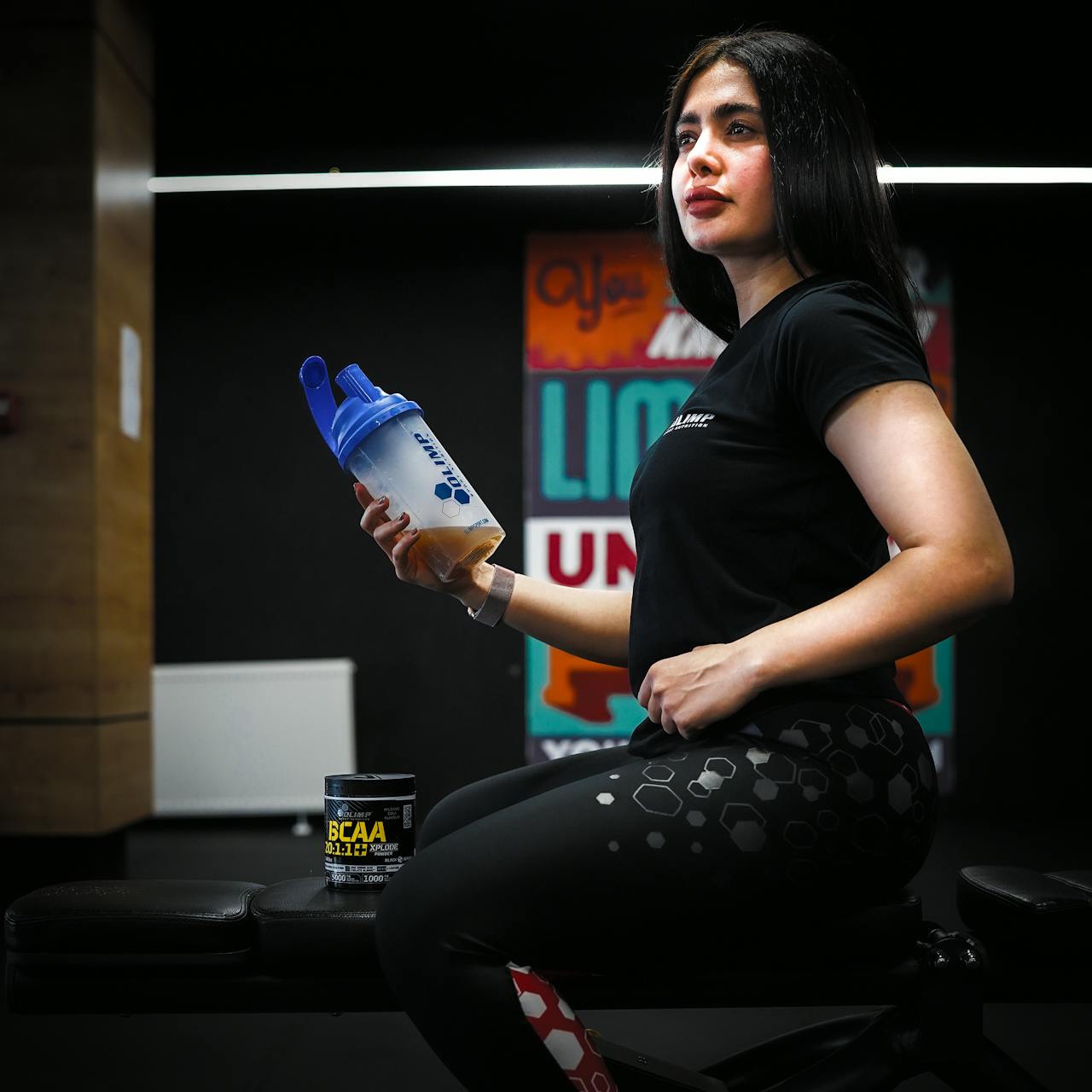
In the modern wellness and fitness landscape, supplementation has evolved far beyond simple multivitamins and protein powders. Advanced supplementation plans are designed for individuals seeking optimized physical performance, cognitive function, and long-term health outcomes. These strategies combine evidence-based nutrients, timing protocols, and personalized approaches tailored to genetics, lifestyle, and specific goals. However, effective supplementation requires careful planning, scientific understanding, and an awareness of potential interactions.
Understanding the Foundation: Nutritional Sufficiency
Before exploring advanced supplementation, the foundation of any regimen is nutritional sufficiency. Macronutrients—proteins, carbohydrates, and fats—should meet an individual's energy requirements, while micronutrients—vitamins and minerals—support metabolic processes. Even slight deficiencies can compromise performance, recovery, and immune function. For example, inadequate magnesium intake can lead to muscle cramps and poor sleep, while suboptimal vitamin D levels may impair bone health and immune response.
Advanced supplementation assumes that foundational nutrition is addressed, allowing targeted interventions to amplify results. Skipping the basics while pursuing advanced protocols is inefficient and can be risky.
Performance-Oriented Supplementation
Athletes and high-intensity fitness enthusiasts often turn to performance-oriented supplementation. The goal is to enhance strength, endurance, recovery, and mental focus. Key categories include:
Amino Acids and Protein Derivatives
Branched-chain amino acids (BCAAs), creatine monohydrate, and beta-alanine are widely used. Creatine supports rapid energy production during high-intensity activities, improving power output and muscular endurance. Beta-alanine enhances intramuscular buffering capacity, delaying fatigue. Timing matters: consuming amino acids pre- and post-workout can accelerate recovery and protein synthesis.
Adaptogens and Nootropics
Adaptogens such as Rhodiola rosea, Ashwagandha, and Panax ginseng can improve stress resilience, reduce cortisol levels, and enhance exercise performance. Nootropics, including L-theanine, citicoline, and alpha-GPC, support focus, mental clarity, and reaction time, critical in both competitive sports and cognitively demanding professions.
Performance Stacking
Advanced users often combine ingredients synergistically, such as pairing caffeine with L-theanine to enhance alertness without jitters or stacking creatine with beta-alanine to maximize high-intensity performance. Proper dosing and cycling are crucial to avoid desensitization or adverse effects.
Cognitive and Longevity-Focused Supplementation
Beyond physical performance, advanced supplementation plans increasingly focus on brain health and longevity. Cognitive decline and age-related degeneration can be mitigated through targeted nutrients and compounds:
Omega-3 Fatty Acids
DHA and EPA, found in high-quality fish oil, support neuronal function, cardiovascular health, and anti-inflammatory pathways. Daily dosing between 1–3 grams of combined EPA and DHA is commonly recommended for cognitive and cardiovascular support.
Mitochondrial Support
Compounds like Coenzyme Q10 (CoQ10), PQQ (pyrroloquinoline quinone), and acetyl-L-carnitine enhance mitochondrial function, energy production, and oxidative stress resistance. These supplements may improve stamina, cognitive clarity, and cellular resilience, particularly in older adults or individuals under chronic stress. Copper peptides may also be included for their ability to support tissue repair, antioxidant activity, and overall cellular health, complementing other longevity-focused interventions.
Nootropic Combinations
Advanced cognitive stacks often combine cholinergic precursors (CDP-choline), racetams, and neuroprotective antioxidants like curcumin or resveratrol. The synergy between these compounds may support memory, learning, and long-term neural plasticity.
Personalized Supplementation: Genetic and Lifestyle Considerations
One of the hallmarks of advanced supplementation is personalization. Genetic variations can influence nutrient absorption, metabolism, and responsiveness to certain compounds. For instance, variations in the MTHFR gene affect folate metabolism, requiring supplementation with methylated folate forms rather than standard folic acid. Similarly, individuals with the APOE4 allele may benefit from targeted omega-3 strategies and antioxidant support to mitigate cognitive decline risk.
Lifestyle factors also dictate supplementation needs. Individuals with high stress, poor sleep, or intense training schedules may require adaptogens, magnesium, or sleep-promoting compounds like melatonin. Meanwhile, vegetarians and vegans often need B12, iron, and DHA supplementation due to dietary restrictions.
Timing and Bioavailability
Advanced supplementation plans emphasize not only what to take but also when and how to take it. Nutrient timing can profoundly influence efficacy:
Pre-Workout: Caffeine, beta-alanine, and nitric oxide precursors like L-citrulline to boost performance.
Intra-Workout: Electrolytes and fast-digesting carbohydrates to maintain hydration and energy.
Post-Workout: Protein, amino acids, creatine, and anti-inflammatory compounds to enhance recovery.
Evening/Bedtime: Magnesium, zinc, and adaptogens to support sleep quality, muscle repair, and hormonal balance.
Additionally, supplement bioavailability matters. Fat-soluble vitamins (A, D, E, K) should be taken with dietary fats, while certain compounds like curcumin require piperine or lipid-based formulations for optimal absorption.
Safety, Interactions, and Monitoring
Advanced supplementation plans require vigilance regarding safety and interactions. Over-supplementation can lead to toxicity, nutrient imbalances, or impaired absorption of other nutrients. For example, excessive zinc can interfere with copper metabolism, while high-dose vitamin E may increase bleeding risk in certain individuals.
Regular monitoring through blood tests, nutrient panels, and functional markers ensures efficacy and safety. Consulting with healthcare professionals, particularly for those with chronic conditions or on medications, is essential.
Emerging Trends in Advanced Supplementation
Precision Nutrition: Leveraging genomics, metabolomics, and microbiome analysis to create individualized supplement regimens.
Senolytics and Longevity Compounds: Compounds such as fisetin, quercetin, and NAD+ precursors aimed at cellular repair and longevity.
Microdosing for Cognitive Enhancement: Low-dose strategies of certain compounds for subtle yet effective mental performance improvements.
Conclusion
Advanced supplementation plans represent a sophisticated intersection of science, personalization, and strategic implementation. They go beyond standard multivitamins and protein powders, targeting specific physiological, cognitive, and longevity goals. However, their effectiveness depends on a solid nutritional foundation, precise dosing, timing, and continuous monitoring. When executed correctly, these plans can optimize performance, enhance mental clarity, support long-term health, and contribute to a higher quality of life. As research continues to evolve, the future of supplementation is likely to become even more precise, data-driven, and tailored to individual needs.