


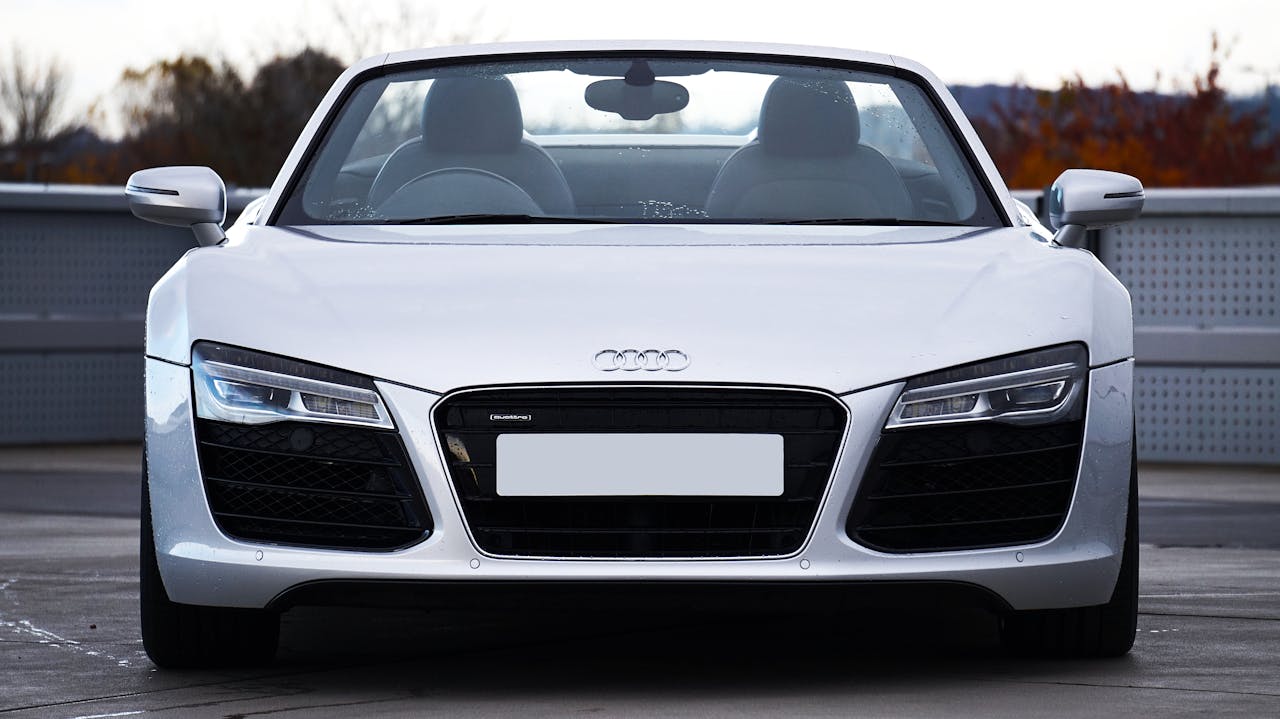
The chassis of a vehicle is its core structural framework, supporting all major components and ensuring stability, safety, and overall performance. Despite its critical role, the chassis is constantly exposed to harsh environmental conditions, road debris, and chemical agents like salt, oil, and water. Over time, these factors can cause corrosion, weakening the structure and compromising the vehicle’s longevity. Chassis coating has emerged as a vital method for protecting the frame, extending the life of a vehicle, and maintaining optimal performance.
What Is Chassis Coating?
Chassis coating is a protective treatment applied to the underside and structural components of a vehicle. It typically consists of specialized materials such as wax-based, rubberized, or polymer-based coatings designed to prevent corrosion, reduce noise, and shield metal surfaces from environmental damage. The coating forms a barrier that prevents moisture, salt, and other corrosive elements from reaching the metal, effectively slowing down oxidation and rust formation.
Many modern vehicles come with factory-applied anti-corrosion treatments. However, these treatments can degrade over time or may not cover all areas of the chassis adequately. Aftermarket chassis coatings offer an additional layer of protection, particularly for vehicles exposed to harsh climates, heavy rainfall, salted roads in winter, or off-road conditions. Regular application of chassis coating can significantly enhance durability and reduce maintenance costs in the long term.
Types of Chassis Coating
Wax-Based Coatings
Wax-based coatings are among the most common methods for protecting a vehicle’s chassis. These coatings penetrate seams, joints, and hard-to-reach areas to form a protective layer that resists water and salt. Wax-based coatings are flexible and relatively easy to apply, making them a practical option for both new and older vehicles. However, their effectiveness diminishes over time, requiring periodic reapplication to maintain full protection.
Rubberized Coatings
Rubberized coatings provide excellent adhesion and impact resistance, making them ideal for vehicles frequently exposed to gravel, stones, and other debris. These coatings create a thick, resilient layer that shields the metal from scratches and dents while also offering sound-dampening properties. The reduction in road noise is an added benefit, especially for vehicles used in urban or high-traffic areas.
Polymer-Based Coatings
Polymer-based coatings, including epoxy or polyurethane formulations, are known for their long-lasting durability and superior corrosion resistance. They form a hard, impermeable layer that can withstand extreme temperatures, chemicals, and mechanical stress. While more expensive than wax or rubberized coatings, polymer-based solutions provide the most comprehensive and long-term protection for the chassis.
Benefits of Chassis Coating
Corrosion Prevention
The most significant advantage of chassis coating is its ability to prevent rust. Exposure to water, road salt, and other chemicals can accelerate corrosion, particularly in older vehicles. Chassis coating acts as a barrier, preventing these elements from directly contacting the metal and thereby extending the life of the vehicle’s frame.
Enhanced Durability
A coated chassis is better equipped to withstand physical impacts, such as gravel, stones, or debris kicked up from the road. Rubberized and polymer coatings, in particular, provide an added layer of resilience that protects against dents, scratches, and wear, maintaining structural integrity over time.
Noise Reduction
Some chassis coatings, especially rubberized formulations, have sound-deadening properties. By absorbing vibrations and dampening road noise, the coating can improve ride comfort, making driving quieter and less fatiguing.
Increased Resale Value
Vehicles with well-maintained, corrosion-free chassis are more attractive to buyers. Chassis coating can help maintain the vehicle’s appearance and functionality, ultimately preserving its resale value. A rust-free undercarriage signals proper maintenance and can prevent expensive repairs in the future.
Application Process
Chassis coating should be applied carefully to ensure complete protection. The process typically involves:
Cleaning the Chassis:
The underside of the vehicle must be thoroughly cleaned to remove dirt, grease, and rust. Pressure washing and degreasing are common preparatory steps.
Rust Treatment:
Any existing rust spots should be treated before applying the coating. This may involve sanding, wire brushing, or using rust converters to stabilize the metal surface.
Application of Coating:
The chosen chassis coating is sprayed or brushed onto the surface. Attention must be paid to seams, joints, and hard-to-reach areas to ensure full coverage.
Drying and Curing:
Depending on the type of coating, the vehicle may require several hours to a full day for proper curing. Some polymer coatings may require heat to fully set.
Inspection and Touch-Up:
After curing, the chassis should be inspected for any missed areas, which can then be touched up to ensure complete protection.
Maintenance and Reapplication
Chassis coatings are not permanent and require maintenance over time. Wax-based coatings generally need reapplication every year or two, while rubberized or polymer-based coatings may last 3–5 years with proper care. Regular inspections are important, especially after exposure to harsh weather or off-road conditions, to identify areas that may need touch-ups.
Conclusion
Chassis coating is a crucial investment for protecting a vehicle’s structural frame, preventing corrosion, and enhancing durability. Whether for everyday commuting, off-road adventures, or harsh winter conditions, applying a quality coating ensures that the chassis remains resilient and functional for years. Beyond protection, it contributes to quieter rides, reduced maintenance costs, and higher resale value. For any vehicle owner looking to extend the lifespan and reliability of their car or truck, chassis coating is a practical and effective solution.


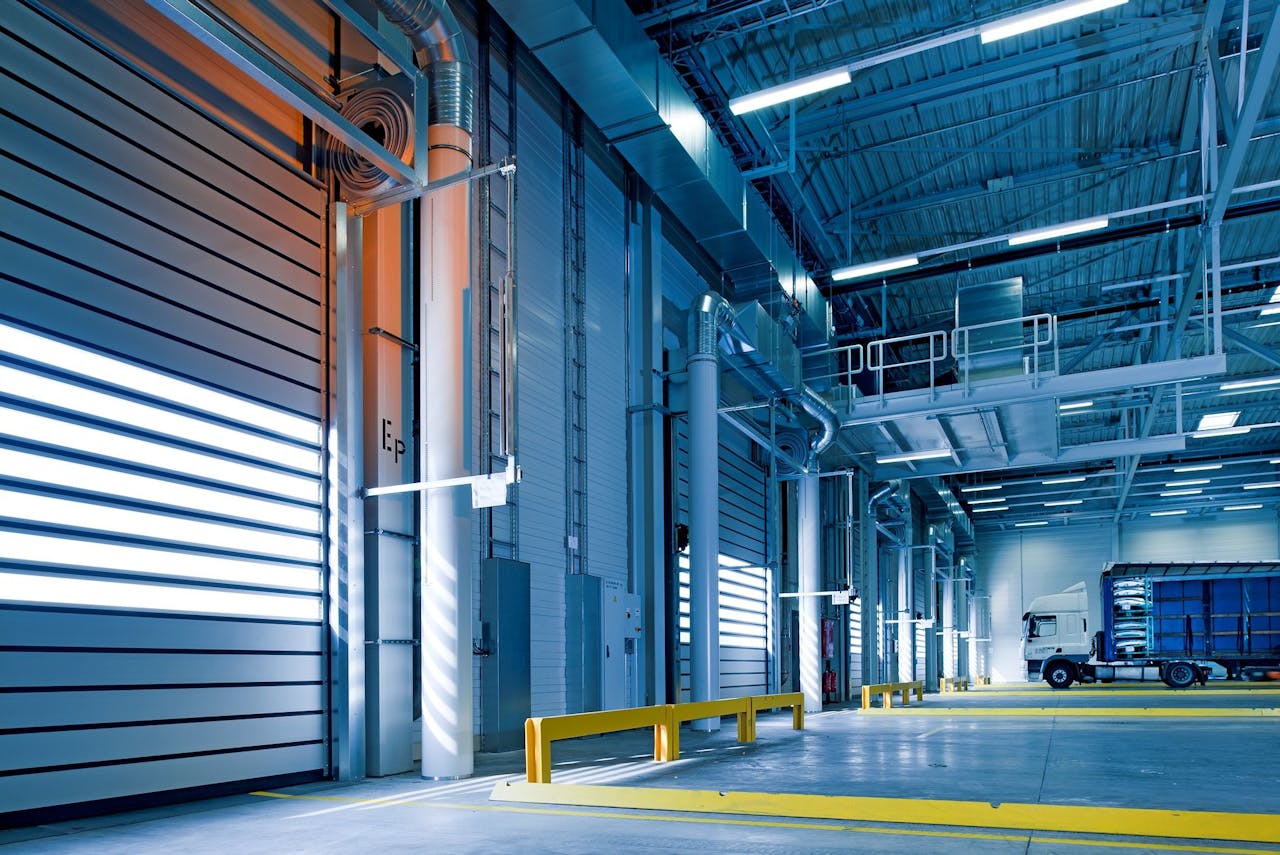


Powder coating is a multi-step surface finishing process suitable for metal and non-metal substrates.
The method includes a preparation, application, and curing stage, and, at a minimum, utilizes a spray gun, spray booth, and curing oven.
We need to consider the substrate material being coated and its qualities and properties, as well as the type of powder coating material used.