



As multi-storey homes become increasingly common in urban and suburban areas, home lifts are no longer considered luxury additions. They are now practical mobility solutions that improve accessibility, convenience, and long-term usability of residential spaces. However, choosing the right home lift requires more than just comparing prices.
This article explains how to choose the best home lifts by focusing on safety, technology, space planning, and future needs-helping homeowners make informed decisions.
Understanding Home Lifts
Home lifts, also called residential elevators, are vertical transportation systems designed specifically for private homes. Unlike commercial elevators, they are built for lower travel heights, smaller capacities, and quieter operation. These lifts are commonly installed in independent houses, villas, duplex homes, and bungalows.
The primary purpose of a home lift is to provide comfortable and safe movement between floors while blending seamlessly with residential interiors.
Step 1: Evaluate Your Home Layout
The first step in choosing a home lift is understanding your home’s structure.
- Important factors to consider include:
- Number of floors to be served
- Available installation space
- Ceiling height and pit depth
Whether the lift is planned during construction or added later
Modern home lifts are available in compact designs that suit both new homes and existing buildings with minimal structural changes.
Step 2: Select the Right Lift Technology
Different home lift technologies offer different benefits. Selecting the right one depends on your home’s requirements and usage.
Hydraulic Home Lifts
Hydraulic lifts are suitable for low-rise homes and are known for smooth movement and reliability. They are commonly used where space availability is moderate.
Traction Home Lifts
Traction-based lifts use a motor and counterweight system. These lifts are energy-efficient, quieter, and suitable for homes with multiple floors.
Machine-Room-Less (MRL) Lifts
MRL lifts eliminate the need for a separate machine room, saving space and allowing flexible installation within residential layouts.
Step 3: Prioritize Safety Features
Safety should be the top priority when choosing a home lift. A well-designed residential lift should include multiple built-in safety mechanisms.
- Key safety features to look for:
- Emergency battery backup
- Automatic rescue system
- Door interlocks and obstruction sensors
- Overload protection
Emergency alarm or communication system
Compliance with safety standards ensures reliable operation during daily use and emergencies.
Step 4: Choose the Right Cabin Size and Capacity
Home lifts are usually designed for small capacities, such as:
2-person lifts
3-person lifts
4-person lifts
The ideal cabin size depends on family size, usage frequency, and available space. Choosing an appropriately sized cabin ensures comfort without unnecessary space consumption.
Step 5: Consider Design and Aesthetics
Since home lifts are installed inside living spaces, their appearance plays an important role. Modern residential lifts are designed to complement home interiors.
Common design options include:
Glass or panoramic cabins
Stainless steel or coated panels
LED lighting
Custom flooring and handrails
A visually well-integrated lift enhances the overall look of the home.
Step 6: Check Space and Civil Requirements
One of the advantages of modern home lifts is reduced civil work. Many systems:
Do not require deep pits
Do not need overhead machine rooms
Can be installed as self-supported structures
Understanding these requirements helps homeowners plan installations more efficiently, especially in existing homes.
Step 7: Focus on Ride Comfort and Noise Levels
Home lifts operate within private living areas, so smoothness and quiet operation are essential.
High-quality home lifts provide:
Smooth acceleration and deceleration
Low vibration
Quiet motor operation
These features ensure a comfortable daily experience.
Step 8: Energy Efficiency Matters
Energy-efficient home lifts reduce long-term electricity costs. Features that contribute to efficiency include:
Low-power motors
LED lighting
Standby or sleep modes
Energy efficiency is particularly important for lifts used multiple times a day.
Step 9: Installation and After-Sales Support
Proper installation is critical for safety and performance. Homeowners should also consider after-sales service before finalizing a lift.
Key points to evaluate:
Professional installation teams
Preventive maintenance plans
Availability of spare parts
Emergency service support
Reliable service ensures consistent performance throughout the lift’s lifespan.
Step 10: Think Long-Term, Not Just Cost
While budget is important, choosing the best home lift should focus on long-term value rather than just initial cost. A quality home lift:
Improves accessibility for all age groups
Increases property value
Enhances everyday convenience
Future-proofs multi-storey homes
Considering lifetime benefits leads to better decision-making.
Role of Specialized Home Elevator Brands
Brands that specialize exclusively in residential elevators design their products around home-specific needs. Companies like Elite Elevators focus on compact designs, safety-oriented engineering, and customization suited for Indian homes.
Specialized expertise ensures that home lifts meet residential comfort and safety expectations.
- Common Mistakes to Avoid
- Choosing a lift based only on price
- Ignoring safety certifications
- Overlooking maintenance requirements
- Selecting oversized cabins for small spaces
- Not planning for future accessibility needs
- Avoiding these mistakes results in a safer and more practical installation.
Final Thoughts
Choosing the best home lift involves careful evaluation of safety, space, technology, and long-term usability. As residential architecture continues to evolve vertically, home lifts are becoming essential features rather than optional upgrades.
With the right planning and informed choices, homeowners can enjoy improved mobility, comfort, and peace of mind for years to come.


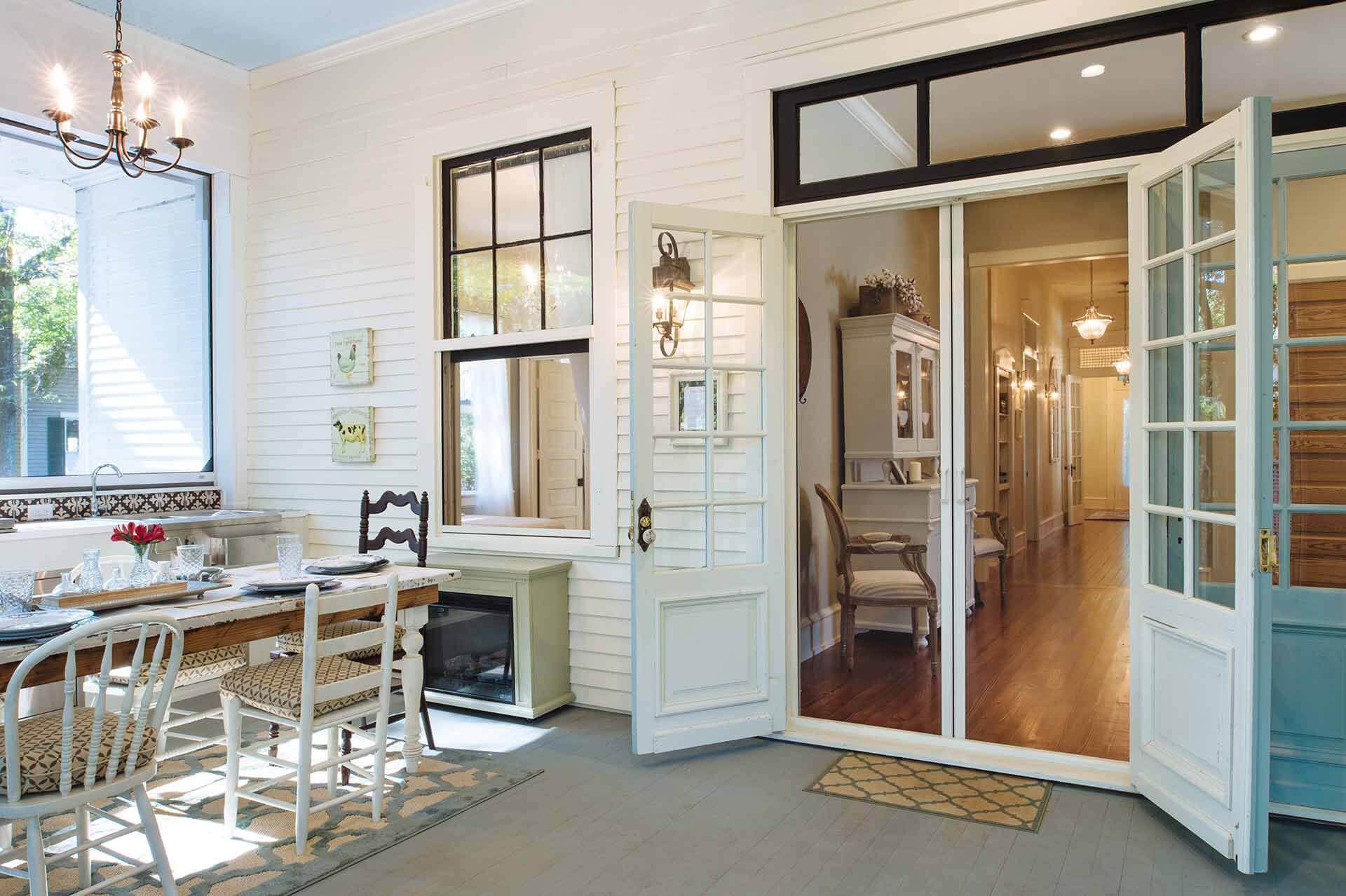
But before you choose patio doors, you need to know that you need a repair or replacement?
Here in this article, we will answer your every question.Patio Doors are one of the most used doors during summer months when people are enjoying some time outside on deck or patio.
They are available in a variety of styles and treatments for patio doors of your home.Firstly!
You Need A Replacement Or Repair?For everyone broken, Patio Door is a potential Safety & Security risk, an eyesore, and responsible for temperature fluctuation at home.When determining whether to replace or repair your home patio door, then keep the condition of the complete door into consideration.
The most obvious form of damage is crack or chip in the glass of patio door; there are more signs you need to observe like IGUs which appear cloudy between the panes are the signs of failing seals.Some other patio door replacement and repair elements include:Small wear and tear on the hardware & door frame.A new lock is required or reset the track of the door; this can be repaired.If the door has longer structural damage or warped, then it's time to replace the door.Always remember that if it's the individual component of the patio door that expected to replace or repair.
But if there are multiple components that are broken, then it's time to upgrade your door.Choose the door which is perfect for your homeThere are three types of patio doors you need to determine what patio door style is good for your home:Sliding Patio Doors (SPD)It is a popular style of patio doors because of its ease of use, versatility, affordability, and style.