

When a home begins to tilt, floors start to slope or cracks appear around door frames, it’s more than a minor inconvenience — it’s often a sign that the foundation needs attention. House relevelling is the process of restoring balance and stability to a home by adjusting the structure back to its original position. Whether you own an older timber-built home or a modern slab-based property, relevelling plays a crucial role in maintaining long-term integrity and safety.
In regions in and around Sydney, shifting soil conditions, subsidence and moisture changes are common. That’s why professional home foundation levelling services in and around Sydney are essential, ensuring the home remains structurally sound, safe to live in and free of ongoing damage.
Step 1: Foundation Inspection & Assessment
The first step to house relevelling of Sydney houses involves a detailed inspection. A licensed professional assesses the level of subsidence, soil condition and the type of foundation beneath the property. They look for visual indicators like uneven floors, cracked walls, stuck windows and gaps under skirting boards. The goal is to clearly understand the cause, not just the symptom.
Step 2: Identifying the Right Relevelling Method
Every home is different, so the next step is choosing a suitable solution. For homes built on stumps, relevelling may mean jacking and resetting. For slab homes, resin injection or underpinning may be required. Modern residential structure re-levelling solutions in Sydney involve minimal disruption, and many methods now allow homeowners to continue living in the property during the process.
Step 3: Lifting & Adjusting the Home Structure
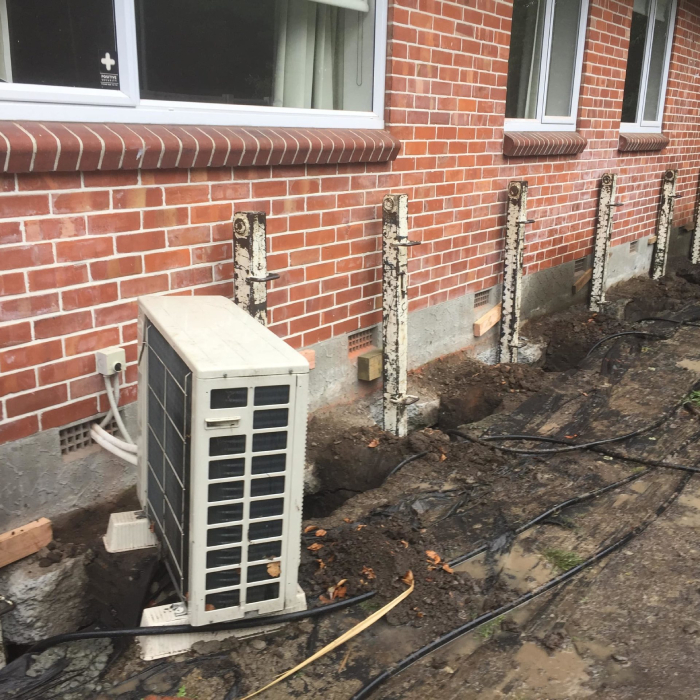
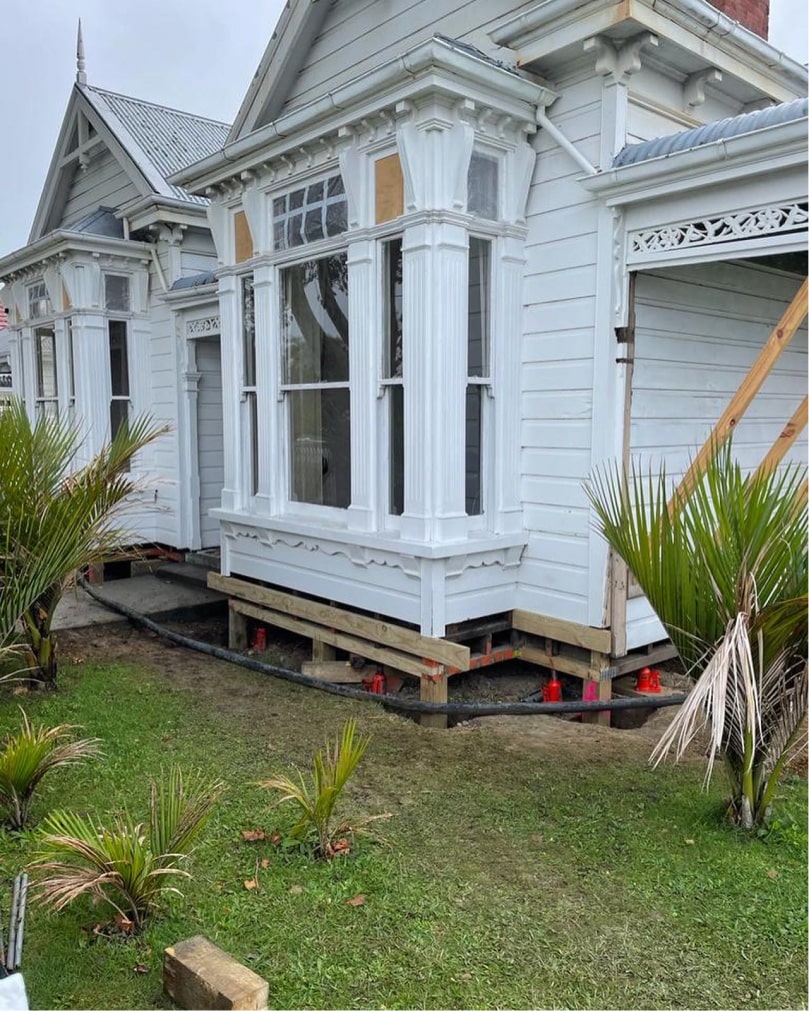
Once the plan is set, hydraulic jacks are strategically placed beneath the home. The structure is lifted slowly and evenly, sometimes millimetre by millimetre, to avoid stress or cracking. This is the most delicate part of the process, requiring steady precision. The home is carefully raised back to level, restoring stability and balance across the entire foundation.
Step 4: Reblocking, Restumping or Underpinning
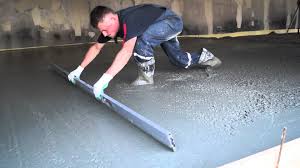
After the lift, foundations are strengthened. Timber stumps may be replaced with concrete or steel, footing may be re-established or underpinning installed where necessary. In slab-based homes in Sydney and its suburbs, resin injection can help fill voids and stabilise shifting ground. This ensures the house remains level long after work is completed.
Step 5: Finishing Touches & Safety Check
Finally, contractors confirm the home is secure, stable and safe to occupy. Doors and windows are checked for alignment, flooring is re-assessed for straightness and structural gaps are inspected. Once the foundation is confirmed stable, homeowners can move forward confidently knowing the property is protected for years to come.
Conclusion
Whether you’re planning house relevelling in Tumbi Umbi or addressing early signs of foundation movement y, taking action early can save money and prevent serious structural damage. Professional relevelling restores strength, safety and balance to a home — an investment that protects both property value and peace of mind.
There are multiple reasons why homeowner prefers reconstructing or underpinning.
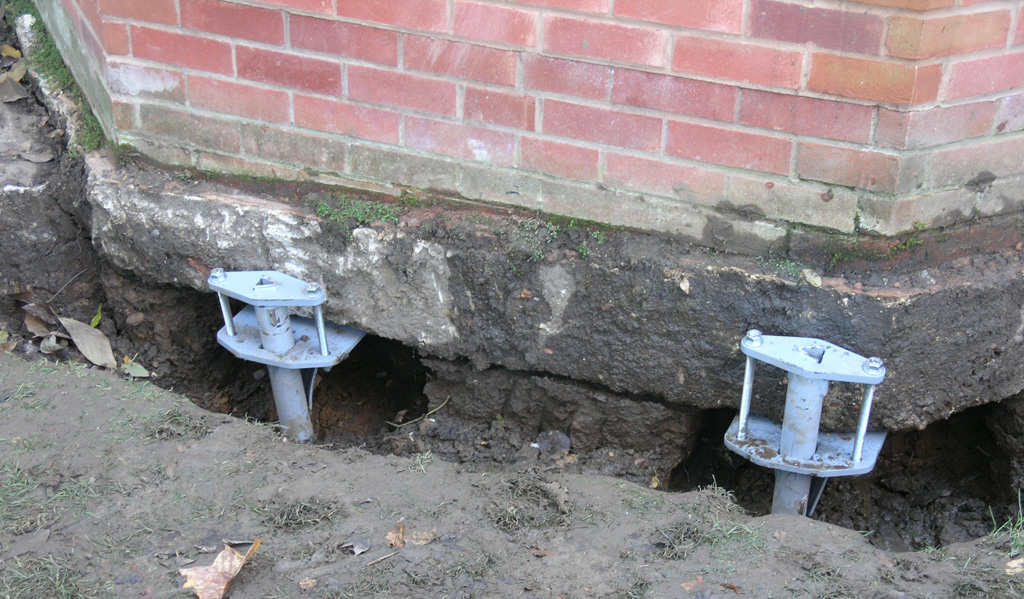
Either, they need an extra slab or want to make the original foundation more stable.What is an underpinning?Underpinning is a technique used to strengthen or increase the depth of the foundation.
Usually, the constructors built the homes with limited height.
This method comes to the solutions, if one needs to reinforce the existing infrastructure or need a deeper area.Underpinning a house is a technique and it is done by professionals only.When is underpinning used?
There are multiple reasons why the property’s owner prefers Cheap underpinning:If the foundation is weak or not able to hold the weight of the property.To correct faulty foundation in case it has suffered a lot of cracks and settlement.To increase the load-bearing capacity of the existing foundation.To renovate or add a basement to the existing infrastructure rather than constructing a new building.How to choose the appropriate method for underpinning a house?Choosing an appropriate method totally, depends on the type of foundation of a building.
In order to choose the effective method, one should keep the following points in mind:The structure of the foundationThe factors that may have caused damage to the existing foundationDepth of excavationSite restraintsLocal permits and regulationsCost of the entire processTime durationWhat Precautions should be taken before starting the Underpinning Process?Before any modification process is started, it is necessary to remove the load of the building- for example.