Embroidered clothing has traveled across centuries, cultures, and fashion cycles without losing its emotional and aesthetic appeal. While trends rise and fall quickly in today’s fast-paced fashion economy, the allure of intricate needlework continues to withstand every shift. For many women, embroidered ensembles represent more than decorative fabric, they offer heritage, individuality, and a sense of continuity with timeless craftsmanship. In Pakistan, especially, the resurgence of traditional fashion has brought these pieces back into mainstream wardrobes, proving that classic artistry still has a meaningful place in modern life.
This guide explores why embroidered outfits remain relevant, the craftsmanship behind them, and how shoppers navigate choices across stitched and unstitched categories in an era defined by rapid consumer preferences.
Why Embroidery Never Goes Out of Fashion?
Embroidery carries a quiet power: it evokes history while supporting modern tastes. Designers continue to reinvent motifs, revive regional stitches, and reinterpret traditional layouts, allowing embroidered pieces to serve both cultural and contemporary preferences. Much of the enduring charm lies in how these garments feel, familiar yet elevated, ornate yet wearable. Whether used subtly or showcased boldly, embroidery adds depth to fabric in ways print alone cannot replicate.
From everyday attire to ceremonial wear, embroidery remains synonymous with elegance and emotional value. For many women, stitched detailing signals intentional dressing, something crafted rather than mass-produced. These small cues are what keep embroidered pieces relevant even in seasons dominated by minimalism or Western silhouettes.
Understanding why embroidered garments dominate South Asian wardrobes begins with the mechanics behind the craft. Certain elements define the quality, style, and longevity of embroidered apparel, and these factors influence buying decisions as much as aesthetics do.
Stitch Definition: Why Craftsmanship Matters?
Every embroidered piece begins with a stitch, and how that stitch is applied determines the garment’s overall personality. Variation in stitch styles, satin, chain, kashmiri, phulkari, or shadow work, creates different levels of texture and visual expression. Consumers may not always recognize these techniques by name, but they instinctively sense the difference between rushed machine work and refined craftsmanship.
The stitch structure also influences durability. Uniform spacing, thread direction, and finishing details prevent tangling and unraveling, allowing the garment to remain wearable for years. This makes embroidered clothing a practical investment rather than a single-season purchase.
Thread Quality: The Foundation of a Good Design
Thread selection determines not only how embroidery looks but how it ages. High-quality thread adds richness without overwhelming the fabric. In markets like Pakistan, where humidity and frequent washing are part of everyday life, thread quality becomes even more crucial.
Threads with colorfast treatment resist fading, while softer fibers prevent fabric stress. Many premium designers now use silk blends or mercerized cotton threads, which hold dyes better and maintain their sheen over time. Even budget-friendly ready-to-wear lines increasingly prioritize thread upgrades to meet rising consumer expectations.
Fabric Strength: The Base that Supports the Art
While embroidery draws the eye, the fabric beneath it carries the weight of the work. This is where women’s embroidered suits show their reliability, stronger fabrics like lawn, chiffon, cotton, or organza are carefully chosen to support intricate detailing without tearing.
Fabric strength matters not just during the embroidery process but during daily wear. When choosing embroidered garments, shoppers evaluate breathability, softness, and durability. Pakistani consumers, accustomed to seasonal shifts, gravitate toward materials that offer comfort without compromising the richness of embroidered detailing.
Pattern Placement: Where Art Meets Precision
Experienced designers know that embroidery placement can completely change how a garment looks on the body. Strategic positioning around the neckline, sleeves, borders, and hemline enhances the silhouette and creates a balanced visual flow. Poorly placed embroidery can make even luxurious pieces feel heavy or unflattering.
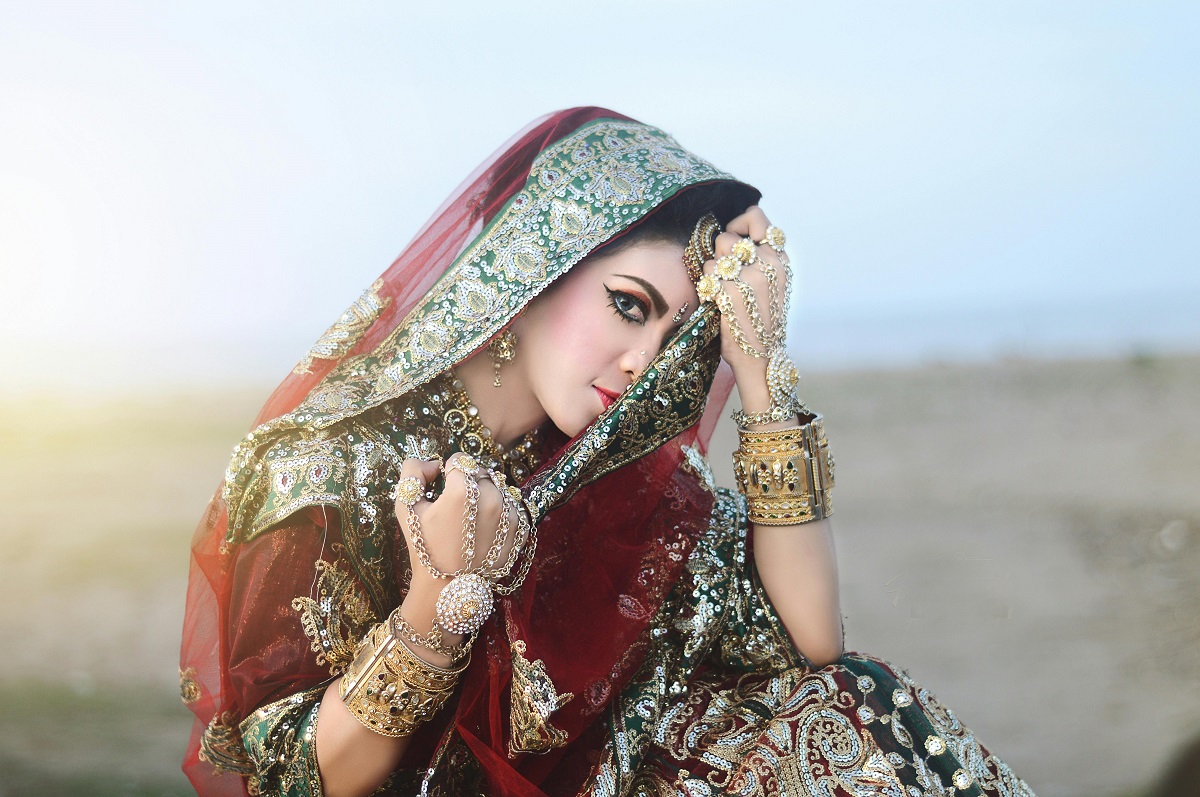
Pattern placement also influences versatility. Subtle embellishment allows outfits to transition from casual to semi-formal settings, while heavier layouts cater to festive or ceremonial wear. This flexibility is a driving reason why embroidered wear continues to hold a central place in South Asian fashion.
Comfort: The Often Overlooked Quality
Comfort determines how often a garment gets worn. While ornate outfits are celebrated during occasions, embroidered clothing designed for day-to-day life must offer ease of movement and breathable textures. Designers today prioritize comfort more than ever, softening embellishments and reducing panel stiffness to make embroidered apparel wearable throughout the year.
Consumers now expect tonal softness, smooth inner finishes, and breathable backings. This shift in expectations has pushed the industry toward intricate but lightweight designs, garments that feel as good as they look.
At this stage, shoppers begin evaluating product categories, comparing stitching styles, and exploring which embroidered pieces suit their lifestyle. Pakistan’s fashion landscape offers numerous options across stitched, semi-stitched, and unstitched clothing, making navigation a key part of the purchasing process.
The Appeal of Embroidered Suits Across Occasions
Today’s busy lifestyles demand adaptable wardrobes. Embroidered pieces strike this balance effortlessly. For work, women often choose subtle threadwork that adds quiet sophistication. For evenings or celebrations, richer motifs, beads, or thread blends elevate the ensemble without needing extravagant accessories.
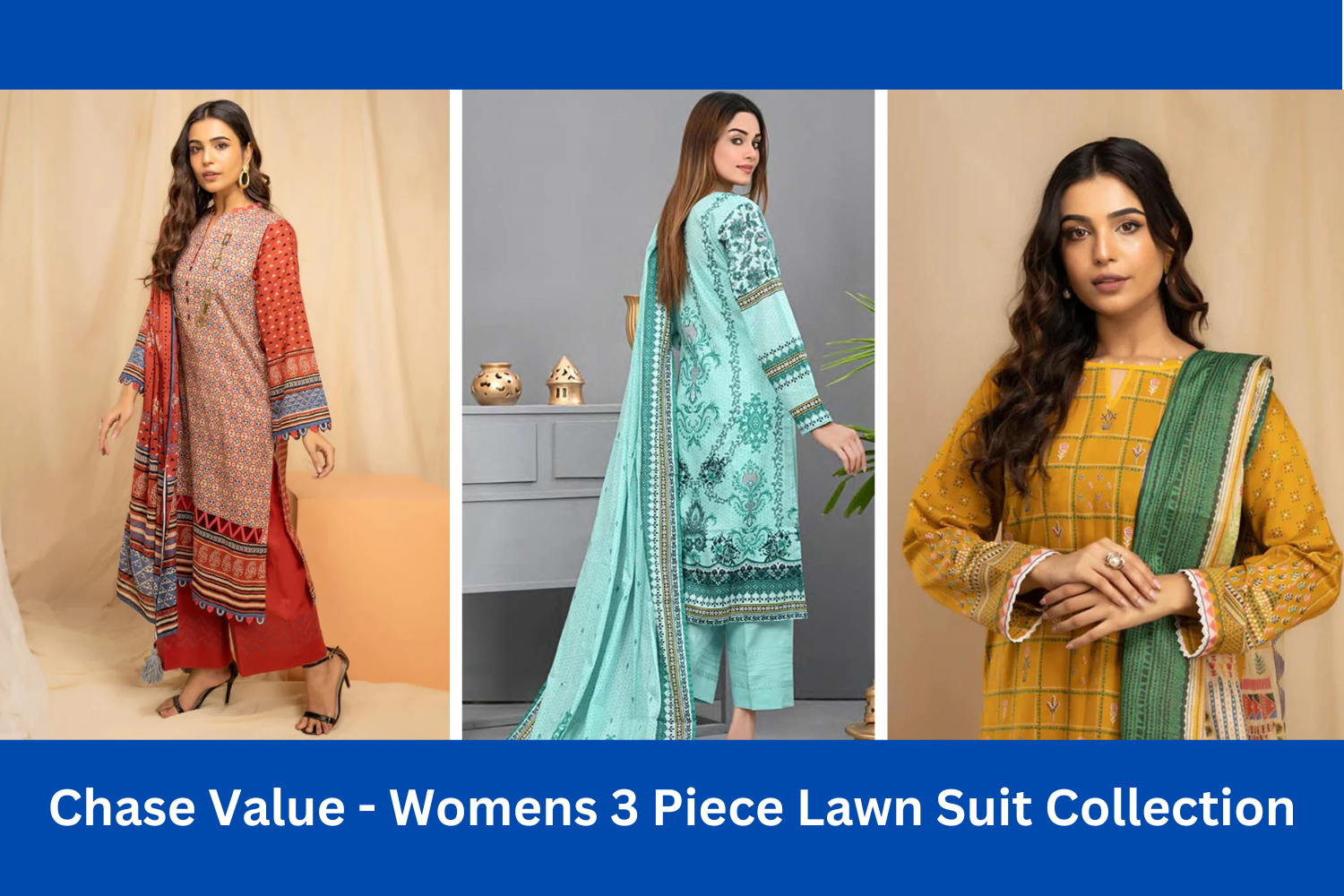
A growing number of buyers now lean toward embroidered lawn suits, especially in warmer months, because they blend tradition with seasonal practicality. These outfits combine breathable fabric with delicate detailing, making them reliable choices for casual outings and professional settings.
Why Some Women Prefer Unstitched Options?
The unstitched market remains strong because it offers customization. A buyer can modify sleeve lengths, hemlines, trouser cuts, and necklines according to personal preference. The embroidered lawn unstitched category, in particular, appeals to shoppers who value tailor-made fit and enjoy controlling the final silhouette.
Unstitched suits also allow women to incorporate regional influences, blending traditional motifs with modern tailoring trends. This level of personalization contributes to the continued growth of embroidered apparel in Pakistan.
Cultural Influence and the Return of Classic Styles
Traditional embroidery styles have made remarkable comebacks. Revivalist fashion movements spotlight craft heritage, think chikankari dresses, while media exposure encourages young shoppers to reconnect with their cultural roots. The interplay between nostalgia and modern design has made embroidered fashion feel both familiar and refreshingly new.
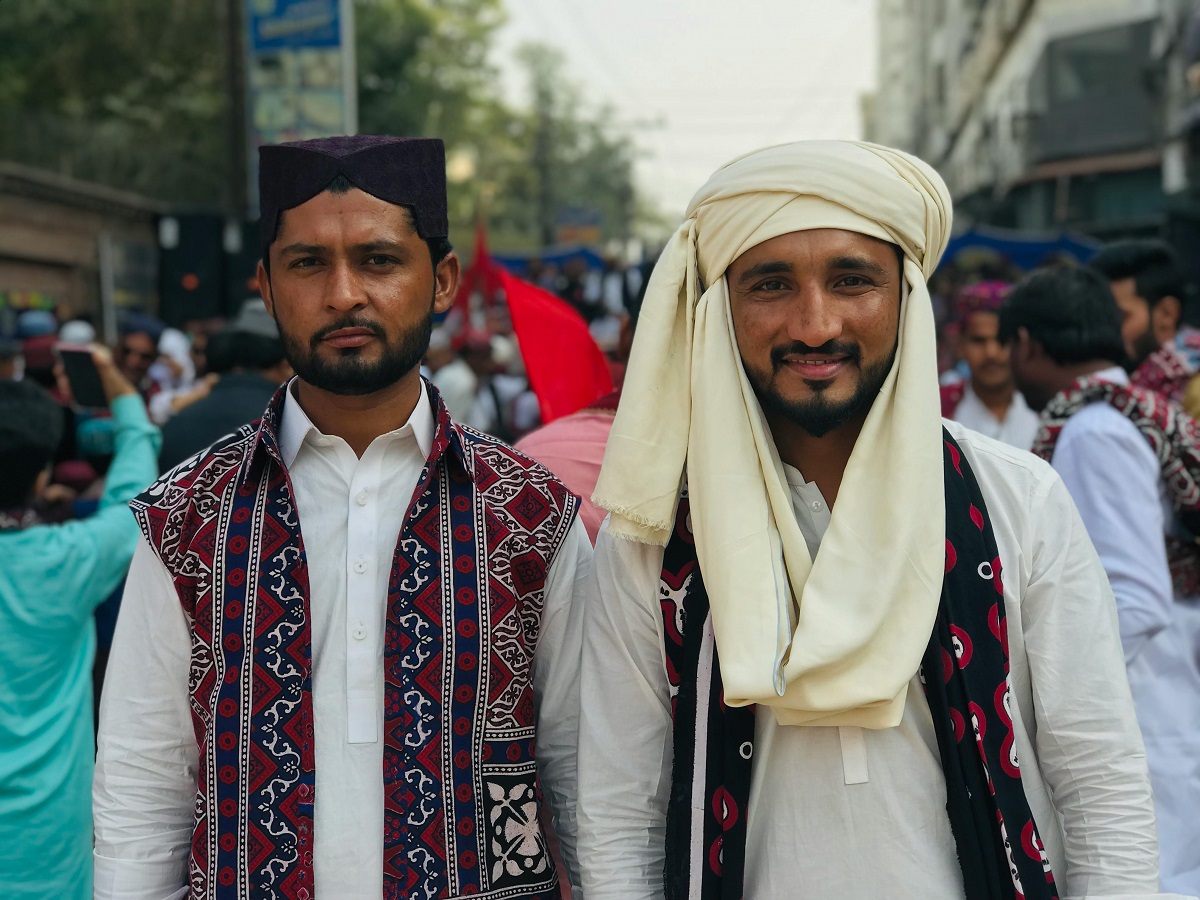
Even contemporary designs draw from regional influences: Sindhi detailing, Kashmiri motifs, and Punjabi phulkari each bring distinct identities to modern outfits. These craft-driven elements help embroidered apparel stand out in a market saturated with fast fashion.
The Versatility of Women’s Suits Today
The women’s fashion market has expanded to include a range of silhouettes, allowing embroidered designs to shine in diverse forms. Whether curated as traditional outfits or minimalist pieces with subtle detailing, women's suits provide endless styling possibilities. Pair them with statement accessories for festive looks or neutral pieces for everyday sophistication.
Brands now design sets specifically for modern lifestyles, lightweight fabrics for summer, structured textiles for winter, and transitional pieces that work across seasons. This versatility keeps embroidered options in constant demand.
As buyers move closer to purchasing, they evaluate platforms, compare listings, and refine their preferences. Marketplaces like KapraBazar allow shoppers to explore a wide range of embroidered outfits from premium designer wear to budget-friendly everyday staples.
Everyday Choices and Wardrobe Staples
Not every embroidered outfit needs to be elaborate. Many women prefer subtle pieces for routine use, such as a minimalist black salwar suit, which pairs easily with multiple dupattas and accessories. These foundational outfits anchor the wardrobe while leaving room for creativity.
Exploring Ready-to-Wear vs. Custom Tailoring
The ready-to-wear category offers convenience, customers simply select a size and style. This appeals to those with limited time or immediate wardrobe needs. On the other hand, tailoring offers customization, especially in pieces requiring a precise fit or elaborate embroidery layouts.
Platforms like KapraBazar help customers compare these options, browse price ranges, and locate verified sellers offering reliable craftsmanship.
Conclusion
The enduring charm of embroidered fashion lies in its ability to evolve while preserving its essence. It adapts to seasonal changes, consumer lifestyles, and cultural influences without losing the emotional resonance that has defined it for generations. Whether through subtle needlework on everyday attire or lavish designs reserved for celebrations, embroidered clothing continues to symbolize beauty, heritage, and personal expression. In a world shaped by fast fashion, embroidered garments remind us that craftsmanship still holds an irreplaceable place in the modern wardrobe.
FAQs
1. Why do embroidered outfits remain popular across generations?
Their appeal lies in cultural symbolism, detailed craftsmanship, and the ability to adapt to evolving trends without losing authenticity.
2. Are embroidered clothes suitable for daily wear?
Yes. Modern embroidery techniques and lightweight fabrics make many pieces comfortable enough for everyday use.
3. What should I look for when buying embroidered apparel?
Evaluate stitch quality, thread durability, fabric strength, and overall pattern placement to ensure long-lasting wear.
4. Which fabrics best support embroidery?
Strong yet breathable fabrics like lawn, cotton, chiffon, and organza support embroidery effectively while maintaining comfort.