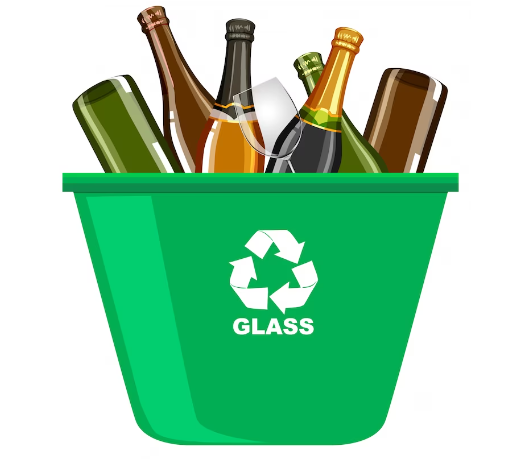


Recycling glass plays a key role in reducing waste and protecting the planet. Glass comes from natural materials like sand and limestone, which take time and energy to extract. When people practice recycling glass correctly, they cut landfill waste and save valuable resources. More importantly, glass can be recycled again and again without losing quality, which makes it one of the most sustainable materials in use today.
How Glass Recycling Actually Works
First, recycling programs collect used glass bottles and jars. Next, facilities sort the glass by color, such as clear, green, and brown. This step matters because mixed colors weaken new glass products. After sorting, workers clean the glass to remove labels and food residue. Then machines crush it into small pieces called cullet. Finally, manufacturers melt the cullet and shape it into new containers. Because this process uses less energy than making glass from raw materials, it supports a more efficient recycling system.
What You Should and Should Not Recycle
Not all glass items belong in your recycling bin. Bottles and jars usually qualify for recycling. However, items like mirrors, ceramics, window glass, and light bulbs require special disposal. Always rinse glass containers before recycling them. This simple step reduces contamination and protects recycling equipment. As a result, recycling centers can process glass faster and with fewer issues.
Environmental Benefits You Cannot Ignore
Recycling glass helps lower energy use and reduces carbon emissions. Since recycled glass melts at a lower temperature, factories use less fuel during production. In addition, recycling reduces mining activities that harm land and wildlife. Over time, these benefits support cleaner air, healthier ecosystems, and reduced pressure on natural resources.
Making Glass Recycling a Daily Habit
You can make glass recycling part of your routine with small changes. For example, keep a separate bin for glass at home or work. Also, learn your local recycling rules so you recycle correctly. When people recycle with care, recycling programs become more effective and reliable.
Building a More Sustainable Future Together
Every recycled bottle makes a difference. When individuals recycle responsibly, communities reduce waste and protect the environment. Education plays a major role in this effort. For trusted recycling guidance, sustainability tips, and environmental education, visit Recycle Nation, a leading resource dedicated to promoting smarter recycling and long-term environmental responsibility.

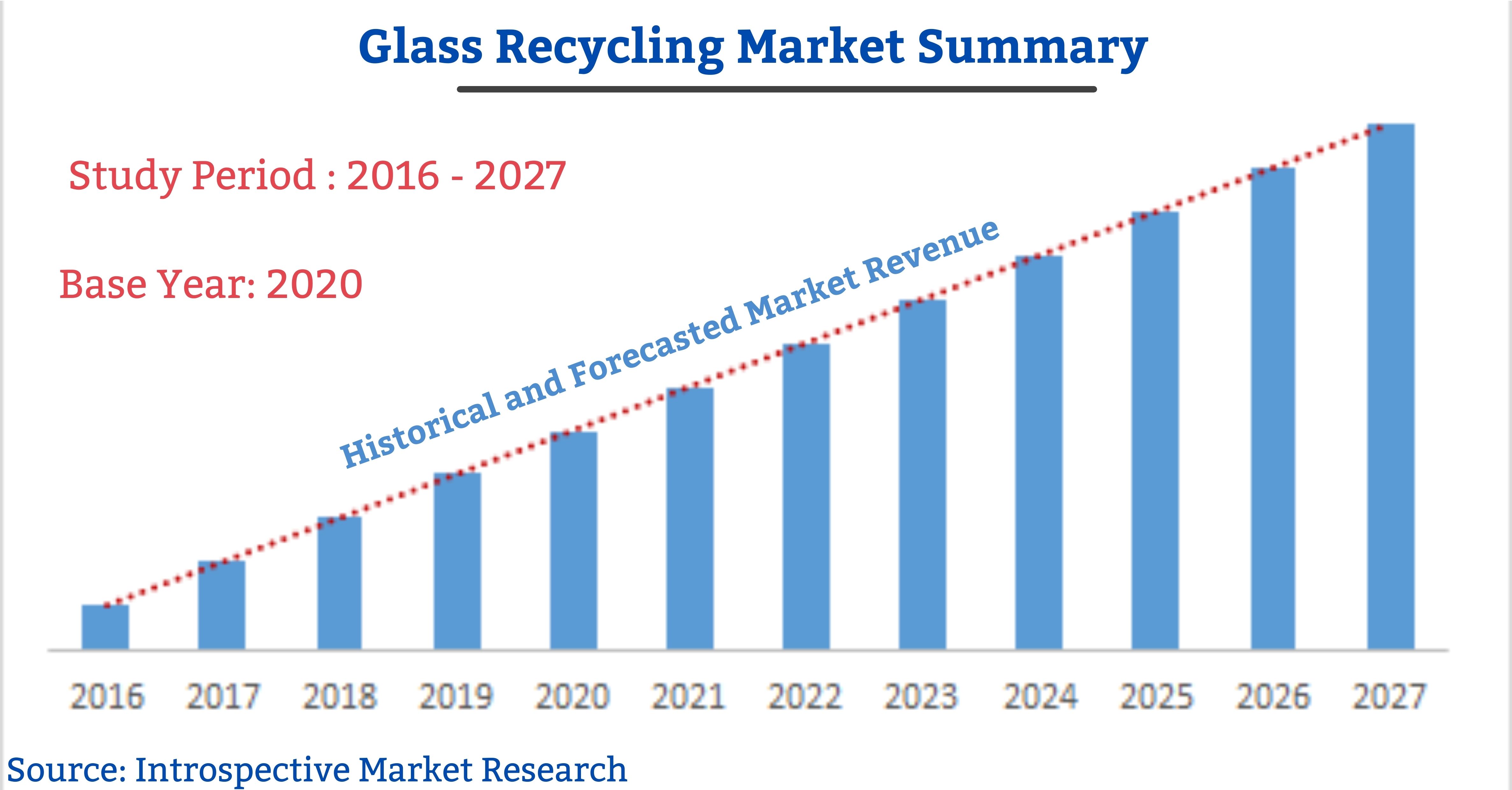
Global Glass Recycling Market size is poised to grow by USD 900.33 Million during the period 2021-2027.
In-depth market estimates are presented for the various opportunities in the sector.
It is covered in various sections including drivers and constraints, challenges and opportunities, regional segmentation and opportunity assessment, end-use/applicability predictive analysis, and competitive landscape assessment.The key market players for the global Glass Recycling market are listed below:Strategic Materials, Ardagh, Momentum Recycling, Heritage Glass, Shanghai Yanlongji, The Glass Recycling Company, Spring Pool, Pace Glass, Vitro Minerals, Marco Abrasives, Rumpke, Binder+Co, Owens Corning, Trim, Vetropack Holding, SesotecBrowse now for Full Report Index or a Sample Copy @:https://www.introspectivemarketresearch.com/request/13017This sector will develop further during the forecast period due to new trends.
Data collected in this way is subjected to several quality checks to provide the best possible quality.The report provides a holistic view of the competitive scenario of the Glass Recycling market.The latest product launches, technological changes and developments are covered in the report.Data analysis in the report will help to understand the forecasted Glass Recycling market dynamics from 2021 to 2027.Reports have a large data store to accommodate your custom needs.Will you have any questions about this report?
Please contact us on:https://www.introspectivemarketresearch.com/inquiry/13017Glass is pre-treated using blown air to remove paper or plastic.
They are then sorted by color and washed to remove any further impurities.