In diagnostic testing, hospitals, laboratories, and clinicians depend on specific tests that answer specific questions. Whether it is tracking a viral infection, identifying a cancer-related mutation, or quickly detecting an active infection, the value of a diagnostic test lies in how clearly it supports medical decisions. Products developed by 3B BlackBio are designed around this practical need rather than broad claims or unnecessary complexity.
Healthcare providers highly depend on measurable data for monitoring patients with Hepatitis C. Antibody testing only indicates that an individual was exposed to the virus but does not confirm the presence of an active virus. Therefore, the HCV PCR test is important. The RT-PCR test is used to determine the viral load by measuring the amount of the virus's genetic material (RNA) present in the blood sample. The amount of viral load will dictate when the healthcare provider will start antiviral treatment, how well the patient is responding to the antiviral drug(s) and if the therapy has been effective. Consistency in testing results over time is paramount to clinical practice. When testing results are consistent from multiple laboratories, clinicians can confidently compare testing results over time. In addition, consistency in testing performance among the laboratories allows for less repetitive testing and fewer delays in reporting for the laboratory.
Cancer diagnostics works on a different principle. In many cases, treatment depends not on how advanced the disease appears under a microscope, but on whether a specific genetic mutation is present. Mutations in the BRAF gene directly influence treatment planning in several cancers. A BRAF PCR Kit is designed to detect only clinically relevant mutations rather than scanning large sections of DNA. This targeted way reduce testing time and simplifies interpretation. The ability to detect mutations even when they are present in a small percentage of the sample is critical, especially when tumor content is limited. For oncologists, a clear positive or negative result helps determine whether targeted therapy is appropriate. For diagnostic laboratories, structured assays with defined controls reduce uncertainty and reporting errors.
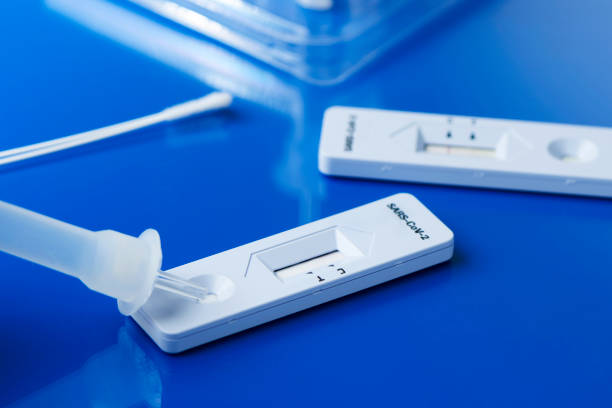
While PCR-based tests offer precision, they are not always the most practical option when immediate decisions are required. Infectious disease control often demands speed rather than depth. A COVID Rapid Antigen Test addresses this need by detecting viral proteins associated with active infection. Results are available within minutes, allowing quick isolation decisions and faster patient flow. These tests are mostly used in clinics, workplaces, and screening environments where PCR turnaround times may be too slow. Although antigen tests do not match PCR sensitivity, they are effective at identifying individuals with higher viral loads who are more likely to transmit infection. This balance between speed and acceptable accuracy makes rapid antigen testing a valuable tool rather than a substitute for molecular confirmation.
The strength of a diagnostic portfolio rest in offering the right test for the right situation. Viral load assays support long-term monitoring. Mutation detection supports treatment selection. Rapid antigen testing supports quick decision-making. These tools are not interchangeable, and attempting to use one in place of another often leads to confusion rather than clarity. Laboratories that align test selection with clinical intent see better outcomes and fewer repeat tests.
From an operational standpoint, ease of use matters. PCR kits that integrate smoothly with existing real-time platforms reduce training time and workflow disruption. Internal controls help identify extraction or amplification issues early, saving time and reagents. In oncology testing, clear result interpretation is critical because reports directly affect therapy choices. In rapid testing, consistency across batches and clear visual results matter more than marginal technical differences.
3B BlackBio focuses on developing diagnostic kits that fit into real laboratory environments rather than ideal conditions. This practical approach supports laboratories managing with routine workloads, varied sample quality, and solid reporting timelines. When diagnostic tests behave predictably, clinicians can trust the results and focus on patient care instead of questioning the data.
Diagnostic testing provides value without requiring extreme expression. A satisfactory value is established when testing is able to provide unambiguous responses, reproducible results, and has clinical implications. Diagnostic Tests will support medically important decision making by providing valuable data whether you are testing to monitor patients for hepatitis C, devising a cancer treatment regimen or determining whether the patient is currently having a viral infection. Targeted molecular diagnostics and other rapid diagnostic tests should be an integral element of current Healthcare practices and not simply one more category of products.