


Respiratory infections are one of the most frequently encountered conditions that patients present to health-care facilities on an everyday basis. While the presenting symptoms may be high body temperature, cough, sore throat, fatigue or difficulty breathing, pinpointing the specific virus responsible for them is quite complicated. This is because many viruses have similar manifestations during the acute phase of infection.
Molecular techniques have been used successfully to diagnose respiratory ailments in recent years. The reason for the superiority of the PCR test to other tests is that it produces immediate and accurate results. It has been successful in curbing the spread of influenza and viral diseases.
One of the best diagnostic tools for identifying Influenza A virus, inclusive of H1N1, involves using an Influenza A PCR kit. This is due to the fast spread of the virus, particularly during seasonal influenza attacks. The PCR technique enables one to identify any viral genetic material, regardless of the low concentration of the virus in the initial stages.
In practical healthcare settings, speed matters. Doctors sometime required to decide quickly whether a patient requires isolation, antiviral medication or further monitoring. A reliable PCR-based influenza test supports those decisions by helping confirm the infection without unnecessary delay.
A further complication with these respiratory diseases is the similarity of symptoms associated with each. Symptoms such as fever, coughing, aches and pains, as well as tiredness, are all very similar in conditions like influenza, RSV and even some adenoviruses. This is why multiplex molecular testing has become more valuable in modern diagnostics.
The Respiratory Pathogen PCR Test enables laboratories to test multiple respiratory pathogens in a single workflow process. Rather than running separate tests consecutively, clinicians can be able to derive additional information from one single test. This is more efficient in terms of saving time.
Doctors also benefit from more accurate treatment planning when the actual pathogen is identified clearly. Viral infections are often mistakenly treated with antibiotics in many cases. Molecular testing helps reduce that confusion by differentiating viral and bacterial respiratory infections more effectively. Better diagnosis naturally leads to more appropriate patient management.
3B BlackBio Biotech develops PCR-based molecular diagnostic solutions for infectious disease testing, including respiratory infection detection assays. Their respiratory testing portfolio includes H1N1 detection kits and comprehensive respiratory pathogen panels designed for diagnostic laboratories and healthcare institutions.
The H1N1 real-time PCR assay is developed for qualitative detection of Influenza A viruses and pandemic H1 influenza strains using respiratory specimens. The assay also includes internal controls that support result reliability during the testing process. Along with influenza-focused testing, the company also offers multiplex respiratory panels capable of detecting multiple clinically relevant respiratory pathogens through real-time PCR technology.
One reason PCR diagnostics continues to gain importance is reliability during high testing demand. During seasonal viral outbreaks, laboratories often manage a large number of respiratory samples daily. PCR-based assays help maintain consistent reporting quality while supporting faster turnaround time.
The capacity to use several real-time PCR platforms ensures that these tests remain viable for common laboratory practice. Molecular laboratories generally favor procedures that can be easily incorporated without any significant modification to equipment or test protocol. This flexibility helps diagnostic centers scale respiratory testing more efficiently whenever infection rates increase.
Many hospitals, pathology labs and diagnostic facilities in India are now incorporating PCR (polymerase chain reaction) based testing as a way of diagnosing infectious diseases based upon the reliability and accuracy of these tests.
In light of the ongoing evolution of infections, reliable diagnostics always play an important role in modern medicine. Timely detection of pathogens allows for quick decision making and improved control over infections and other diseases.


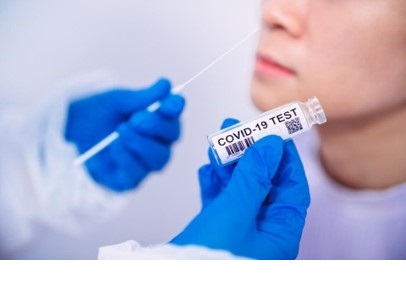
COVID 19 home test kits are available for the corporate clientele.
We want your employees to be protected and confident to return to work.