Children grow and develop at their own pace, but development isn’t just about ticking off milestones like walking, talking, or holding a pencil. It’s also about confidence, independence, emotional regulation, and the ability to participate fully in everyday life. This is where occupational therapy for kids plays a decisive role, supporting children not just in developing skills, but in thriving.
In this guide, we’ll explore what occupational therapy really means for children, how it goes beyond traditional milestones, and when families might consider accessing support.
Understanding Occupational Therapy for Kids
In simple terms, occupational therapy helps children develop the skills they need to take part in daily activities — or “occupations” — that are meaningful to them. For kids, these occupations include:
Playing with peers
Learning at school
Dressing and feeding themselves
Managing emotions and behaviour
Participating in family and community life
Unlike milestone-focused approaches, occupational therapy for kids looks at the whole child, their strengths, challenges, environment, and goals.
Why Development is More Than Milestones
Milestones are useful markers, but they don’t tell the whole story. Two children may walk at the same age, yet one might later struggle with balance, coordination, or confidence.
Occupational therapists focus on functional development, asking questions like:
Can the child participate comfortably in daily routines?
Do they feel confident trying new tasks?
Are sensory or emotional challenges getting in the way?
This broader perspective ensures support is practical, meaningful, and tailored to real-life needs.
Key Areas Where Occupational Therapy Supports Growth
1. Fine and Gross Motor Skills
Motor skills are essential for everyday tasks at home and school.
Occupational therapy for kids may support:
- Hand strength and coordination for writing and drawing
- Scissor use, colouring, and classroom tasks
- Balance, posture, and core strength
- Coordination for playground play and sport
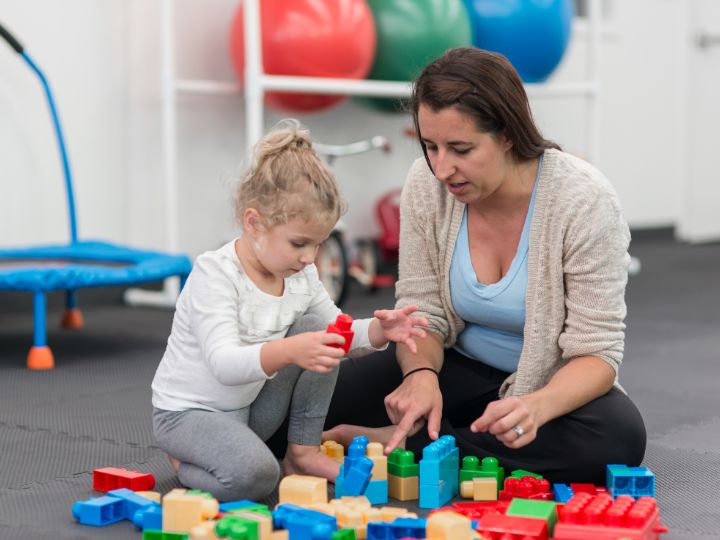
- Rather than drills, therapists often use play-based activities to build skills naturally.
2. Sensory Processing and Regulation
Some children are sensitive to noise, textures, movement, or busy environments. Others may constantly seek sensory input, finding it hard to sit still or focus.
Occupational therapy helps children:
- Understand their sensory preferences
- Develop strategies to stay calm and regulated
- Improve attention and participation at school
- Feel more comfortable in everyday settings
This support can be life-changing for children who feel overwhelmed or misunderstood.
3. Emotional and Social Development
Emotional regulation and social skills don’t always come easily. Children may struggle with:
- Managing big emotions
- Coping with change or transitions
- Making and keeping friends
- Understanding social cues
Occupational therapy for kids supports emotional development through practical strategies, visual supports, and confidence-building activities that fit naturally into daily life.
4. Self-Care and Independence
Learning to do things independently builds confidence and self-esteem.
Occupational therapists may help with:
- Dressing, toileting, and feeding skills
- Establishing routines and habits
- Building independence at home and school
- Reducing frustration around daily tasks
Minor improvements in self-care can have a significant impact on family life.
Signs a Child May Benefit from Occupational Therapy
Not every child who needs occupational therapy will show noticeable delays. Some signs are subtle and often misunderstood as “behavioural”.
You may consider occupational therapy if a child:
- Avoids or struggles with everyday tasks
- Becomes easily overwhelmed or frustrated
- Has difficulty with handwriting or classroom work
- Struggles with coordination or balance
- Finds social situations challenging
- Has significant emotional reactions to small changes
Early support can prevent challenges from becoming bigger barriers later on.
What Occupational Therapy Looks Like in Practice
Occupational therapy for kids is not one-size-fits-all. Sessions are typically:
- Play-based and child-led
- Tailored to individual goals
- Conducted in clinics, homes, schools, or community settings
- Focused on practical outcomes
Therapists also work closely with parents, carers, and educators to ensure strategies are consistent and realistic.
Supporting Families, Not Just Children
A key strength of occupational therapy is its family-centred approach. Therapists don’t just “work on” the child — they empower families with tools, strategies, and understanding.
This may include:
- Home programs that fit into daily routines
- Advice for school and classroom support
- Education around sensory and emotional needs
- Practical strategies that reduce stress for everyone
When families feel supported, children benefit even more.
Occupational Therapy Across Different Ages
Early Childhood
Early intervention supports foundational skills like play, movement, and regulation — setting children up for success as they grow.
School-Aged Children
Support often focuses on learning, attention, handwriting, social participation, and emotional regulation.
Adolescents
For teens, occupational therapy may help with organisation, independence, life skills, and transitioning into adulthood.Occupational therapy adapts as children grow, meeting them where they are.
In summary, Children are more than a list of milestones. Actual development includes confidence, resilience, independence, and a sense of belonging. Occupational therapy for kids supports all of this, helping children participate fully in their world, in ways that feel achievable and empowering.Whether a child is facing clear challenges or subtle struggles, occupational therapy offers practical, compassionate support that focuses on real life, not just timelines.