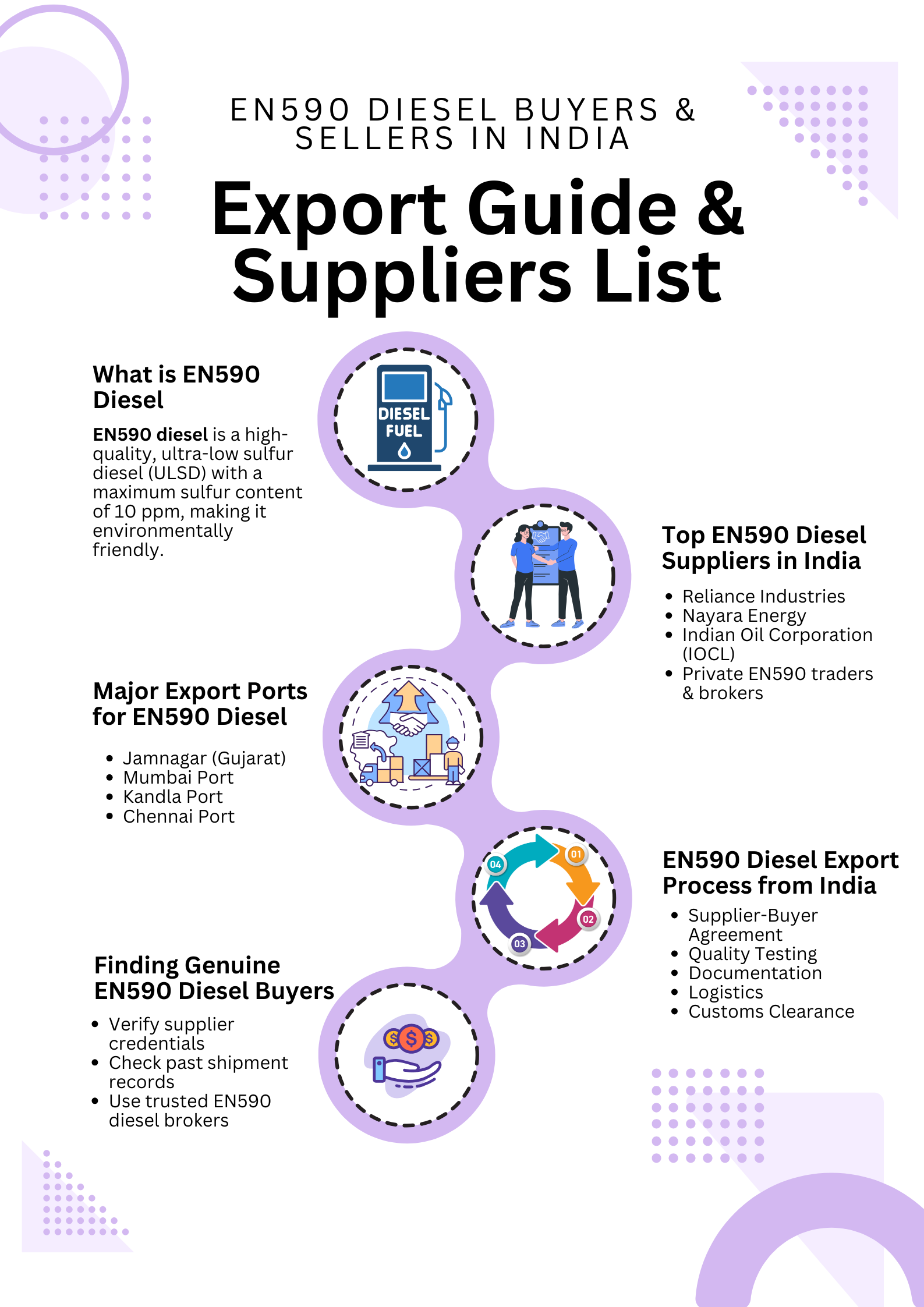
EN590 diesel is a widely accepted fuel specification used for automotive and road transport in many parts of the world. It defines the quality requirements that diesel fuel must meet to ensure reliable engine performance, regulatory compliance, and reduced environmental impact.
Initially introduced in Europe, EN590 has evolved into the most commonly referenced diesel standard in international fuel trade.
Why Diesel Fuel Standards Matter
Diesel fuel quality can vary depending on refining processes and regional regulations. Without standardisation, inconsistencies in fuel properties can cause engine issues, increased emissions, and operational inefficiencies.
EN590 addresses these challenges by establishing clear technical benchmarks for diesel fuel used in road vehicles. This consistency benefits both fuel suppliers and end users.
Core Characteristics of EN590 Diesel
EN590 specifies important fuel parameters such as sulphur limits, cetane number, density, viscosity, and cold flow behaviour. These specifications are designed to support modern diesel engines and emissions systems.
By meeting these requirements, EN590 diesel delivers stable combustion, improved efficiency, and dependable performance across varying climates.
From Regional Regulation to Global Adoption
Although EN590 was originally designed for European markets, its adoption expanded as global vehicle manufacturers aligned engine designs with European standards. Countries importing such vehicles adopted EN590-compatible diesel to ensure proper engine function and compliance.
As a result, EN590 became the default specification in many international diesel supply contracts and government tenders.
EN590 in International Fuel Trade
For bulk buyers and importers, EN590 reduces procurement risk by providing a recognised and measurable quality framework. It simplifies inspection, testing, and regulatory clearance at destination ports.
Fuel suppliers and exporters that adhere to EN590 standards are generally viewed as more reliable in global markets. Mashia LLC acknowledges the importance of strict quality alignment when operating within international fuel supply chains.
Environmental and Operational Advantages
Lower sulphur content supports reduced emissions and helps protect advanced exhaust treatment systems. At the same time, EN590 diesel contributes to smoother engine operation and longer service life.
These factors continue to drive the widespread use of EN590 in road transport fuel markets.
Conclusion
EN590 diesel has grown from a European specification into a cornerstone of global diesel fuel trade. Its balance of performance, compliance, and operational reliability makes it the preferred standard for modern road diesel.
As global energy regulations evolve, adherence to recognised standards like EN590 remains essential. Companies such as Mashia LLC continue to align with these benchmarks to support consistent and compliant fuel supply.