

Solenoid valves play a critical role in controlling the flow of liquids and gases in industrial, marine, and automation systems. Because they operate electrically and mechanically, regular maintenance is essential to ensure consistent performance and prevent unexpected failures. Proper care not only improves efficiency but also extends the overall lifespan of the valve.
Understanding the Basics of Solenoid Valves
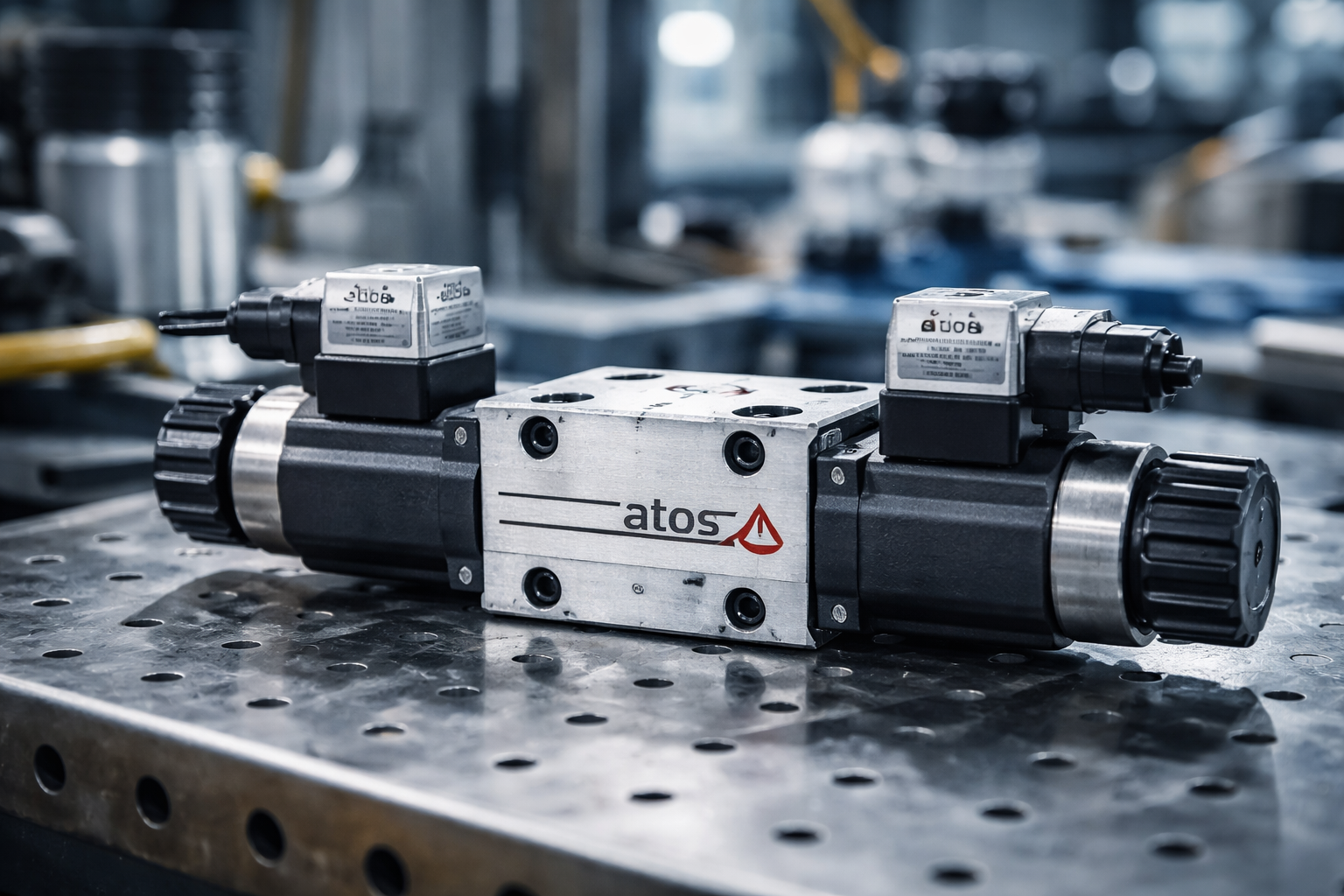
A solenoid valve uses an electromagnetic coil to move a plunger that opens or closes the valve. When energized, the coil creates a magnetic field that lifts or lowers the plunger, allowing fluid or air to flow. This simple yet precise operation makes solenoid valves widely used in engines, pipelines, and automated systems. However, exposure to dirt, moisture, pressure fluctuations, and electrical stress can affect performance over time.
Inspect Valves Regularly
Routine inspection is the first step in maintaining solenoid valves. Visual checks should focus on signs of leakage, corrosion, or loose fittings. Inspect the valve body, coil housing, and connections to ensure everything is securely installed. Early detection of wear or damage helps prevent larger system issues and costly downtime.
Keep the Valve Clean
Contamination is one of the most common causes of solenoid valve failure. Dirt, rust particles, or debris can block the valve seat and prevent proper sealing. Periodic cleaning of internal components helps maintain smooth operation. Installing proper filters in the fluid or air supply lines significantly reduces the risk of contamination and prolongs valve life.
Monitor Electrical Components
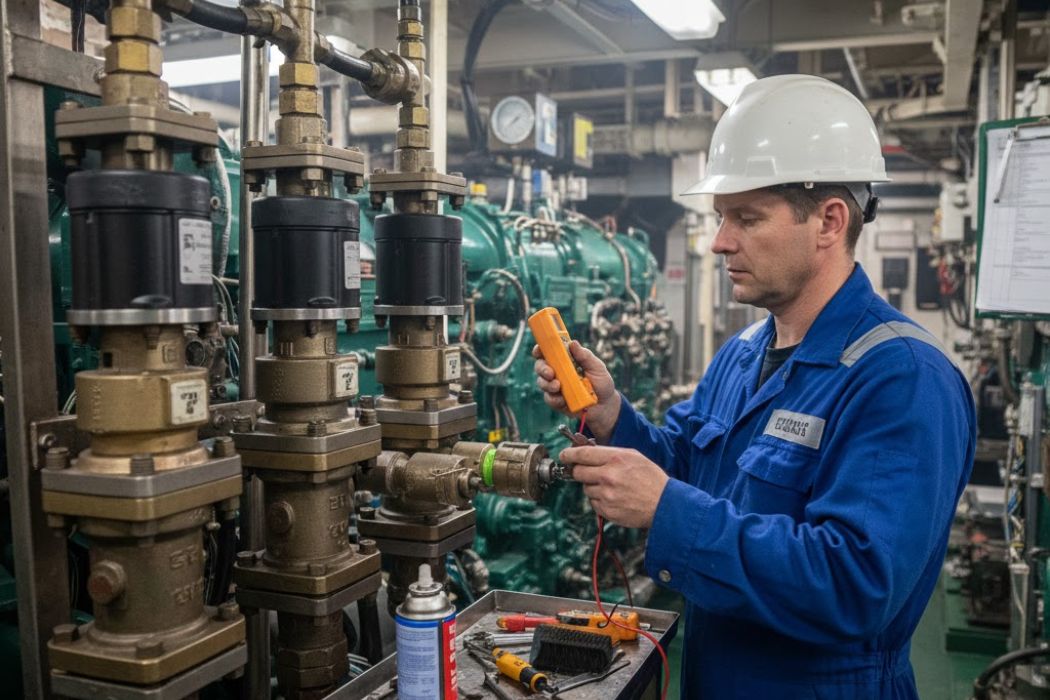
Since solenoid valves rely on electrical power, the coil and wiring require regular attention. Check voltage levels to ensure they match the valve specifications. Loose or damaged wiring can cause overheating, coil burnout, or intermittent operation. Measuring coil resistance during maintenance checks can help identify early signs of electrical failure.
Maintain Proper Operating Conditions
Operating a solenoid valve outside its recommended pressure or temperature range can shorten its lifespan. Always ensure the system operates within the manufacturer’s specified limits. Excessive pressure can damage internal seals, while high temperatures can degrade insulation and reduce coil efficiency. Stable operating conditions contribute to consistent performance.
Inspect Seals and Moving Parts
Seals and O-rings are critical for preventing leaks and maintaining pressure. Over time, these components may harden, crack, or wear out. Regular inspection allows timely replacement before leakage occurs. Moving parts such as the plunger should move freely without sticking, ensuring quick response times.
Address Problems Early
Common issues such as slow response, unusual noise, or failure to open or close fully should not be ignored. These symptoms often indicate contamination, electrical faults, or worn components. Prompt troubleshooting and corrective action can prevent complete valve failure and protect the overall system.
Know When to Replace the Valve
Even with proper maintenance, solenoid valves have a finite service life. If repairs become frequent or performance continues to decline, replacement may be the most cost-effective option. Using high-quality valves designed for the specific application ensures long-term reliability and system safety.
Conclusion
Consistent solenoid valve maintenance is essential for achieving long-term performance and system reliability. Regular inspection, cleaning, electrical checks, and proper operating conditions help prevent failures and extend valve life. By following these maintenance tips, operators can reduce downtime, improve efficiency, and ensure smooth operation across industrial and marine applications.