

We all know the feeling of opening the utility bill during the peak of summer or the dead of winter. You look at the total, wince, and immediately start playing the blame game. You blame the old windows, the kids for leaving the lights on, or the thermostat that was set two degrees too high.
We spend thousands of dollars upgrading our insulation, buying smart thermostats, and sealing our doorframes, all in an effort to stop the energy bleed. But for many homeowners, the biggest energy thief in the house isn't the drafty window in the living room. It is lurking right beneath the floorboards. A damp, unsealed basement is a massive thermal liability. It acts as a constant drain on your home’s efficiency, forcing your HVAC system to work overtime just to maintain a baseline level of comfort.
While most people associate waterproofing with preventing mold or stopping a flood, the financial benefits go much deeper. Investing in professional basement waterproofing is one of the most effective, high-ROI energy retrofits you can make. It stops the moisture that kills efficiency, seals the cracks that leak air, and stabilizes the temperature of your entire home.
If you are tired of paying to heat and cool a house that fights you every step of the way, here is why you need to look downstairs to solve the problem.
The Science of Latent Heat
The primary reason a wet basement drives up your bills comes down to simple physics: water is harder to heat and cool than air.
If your basement is not waterproofed, it is constantly allowing ground moisture to seep through the porous concrete walls and floor. This raises the relative humidity of the basement. Because air in a home circulates, that heavy, damp air doesn't stay in the basement. It gets pulled up into your living room, kitchen, and bedrooms.
In the summer, your air conditioner has two jobs. Job one is to lower the temperature. Job two is to remove moisture. If your home is filled with humid air originating from the basement, your AC unit has to work twice as hard. It spends a massive amount of electricity just trying to wring the water out of the air before it can even begin to cool it down.
By waterproofing the basement and installing a proper dehumidification system, you cut off the source of that moisture. You allow your AC to focus solely on cooling dry air, which is significantly faster and cheaper.
The "Wet Sweater" Effect on Insulation
You likely have insulation in your basement ceiling or along the rim joists. Insulation works by trapping pockets of dry air to resist heat flow. However, insulation has a fatal weakness: moisture.
When the humidity in your basement is uncontrolled, that moisture settles into the fiberglass or cellulose insulation. Wet insulation is about as effective as wearing a wet wool sweater in a blizzard. Instead of trapping heat, the water in the insulation conducts it, creating a thermal bridge that allows heat to escape your home in the winter and enter it in the summer.
Waterproofing protects the "thermal envelope" of your house. It ensures that the insulation you paid for stays dry and actually does its job.
Sealing the Air Leaks
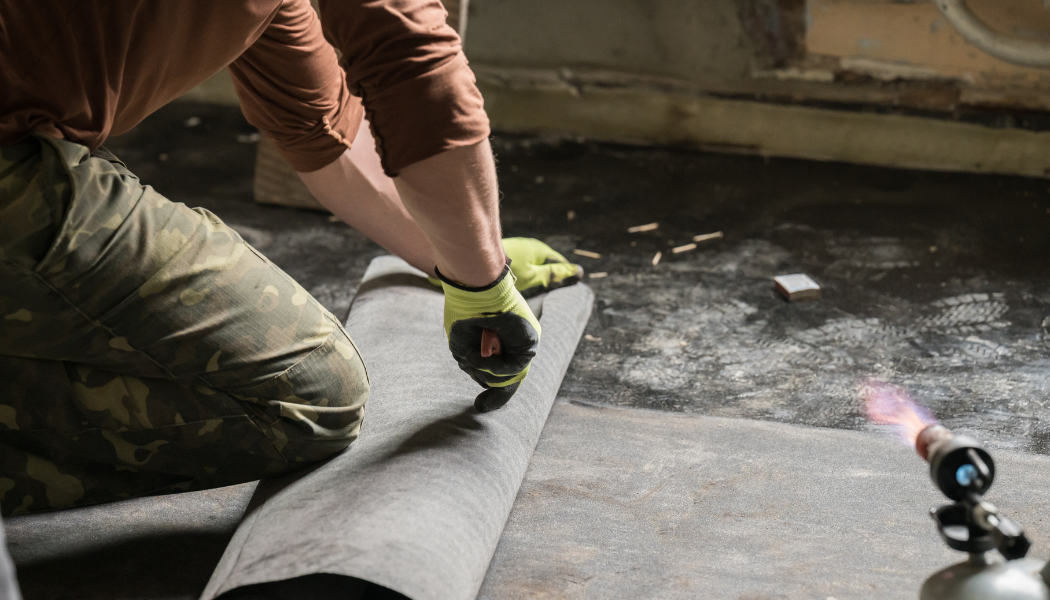
Waterproofing isn't just about applying a coating to the walls; it involves sealing the physical breaches in the foundation.
As houses settle, tiny cracks form in the foundation walls and the floor slab. The joint where the wall meets the floor (the cove joint) is also a notorious gap. These aren't just water entry points; they are air entry points.
In the winter, your home acts like a chimney. Warm air rises and escapes through the attic. To replace that air, the house sucks in cold, unconditioned air from the lowest point—your basement. If your basement is full of cracks and gaps, you are constantly pulling freezing air from the surrounding soil into your home. Your furnace has to run continuously to heat this never-ending stream of cold air.
A comprehensive waterproofing system seals these cracks and joints. It stops the infiltration of unconditioned air, breaking the cycle of the stack effect and keeping your expensive heated air where it belongs.
Extending the Lifespan of Your HVAC Equipment
High energy bills are painful, but replacing a furnace or AC unit is a financial catastrophe. When your HVAC system is fighting against a damp, leaky basement, it runs longer cycles. It turns on more frequently and stays on longer. This constant wear and tear degrades the internal components much faster than normal usage.
Furthermore, the damp air from the basement can cause rust and corrosion on the internal parts of the furnace and the ductwork, leading to premature failure.
By drying out the basement, you are giving your mechanical systems a break. You are allowing them to run efficient, short cycles. This not only lowers your monthly bill but also adds years to the life of the equipment, saving you thousands in capital expenditure down the road.
Creating a Buffer Zone Instead of a Danger Zone
An unfinished, unsealed basement is essentially a cave. The temperature fluctuates wildly based on the ground temperature. A waterproofed basement, however, becomes a conditioned space. Even if you don't finish it with drywall and carpet, a dry basement acts as a thermal buffer between the frozen ground and your first floor. It stabilizes the temperature.
This means your floors won't feel like ice blocks on a January morning. It means the temperature in your living room will remain consistent without the furnace kicking on every ten minutes. You create a stable thermal mass at the bottom of your house that helps regulate the entire structure.
We often think of home improvements in terms of aesthetics—new paint, new counters, new floors. But the smartest improvements are the ones that change how the house functions.
Waterproofing your basement is an infrastructure upgrade. It fixes the root cause of energy inefficiency. It stops the moisture that rots your framing, ruins your insulation, and overworks your HVAC system. If you want to lower your utility bills permanently, stop looking at the thermostat and start looking at the foundation. A dry house is an efficient house.