

Dubai, one of the fastest-growing cities in the world, is facing a water crisis that poses a serious challenge to its sustainability. With a population expected to exceed 3.5 million by 2025, coupled with rapid industrial growth, the demand for water has skyrocketed. However, Dubai’s water resources are limited, relying heavily on desalination plants and minimal rainfall—around 3-5 cm annually.
As the city grows, the pressure on its water supply increases, raising urgent questions about the future of water availability. In this context, advanced water filtration systems are emerging as crucial solutions to combat water scarcity, ensuring that both residents and industries have access to clean, reliable water sources. In this blog post, we’ll explore why Dubai needs these innovative water filtration systems and how they can help solve the city’s growing water crisis.
Understanding Water Scarcity in Dubai
What is Water Scarcity?
Water scarcity occurs when the demand for water exceeds the available supply, or when the quality of water is insufficient for the intended use. In arid regions like Dubai, water scarcity is a critical issue due to limited natural freshwater resources. The city’s geographical location—situated in a desert—means that it receives very little rainfall, relying heavily on other methods for its water supply.
Challenges Specific to Dubai
Dubai faces significant challenges in securing a reliable water supply. With a booming population and expanding infrastructure, the demand for water is constantly rising. However, the city has few natural sources of fresh water. To address this, Dubai has turned to desalination as its primary source of drinking water, but desalination comes with its own set of challenges, including high costs, energy consumption, and environmental impact.
Despite being a leader in technological innovation, Dubai’s limited water resources still put a strain on its long-term sustainability goals, especially as the city continues to grow. As such, alternative solutions, such as advanced water filtration systems, are becoming increasingly necessary to secure a sustainable future.
The Role of Water Filtration Systems in Solving Dubai’s Water Crisis
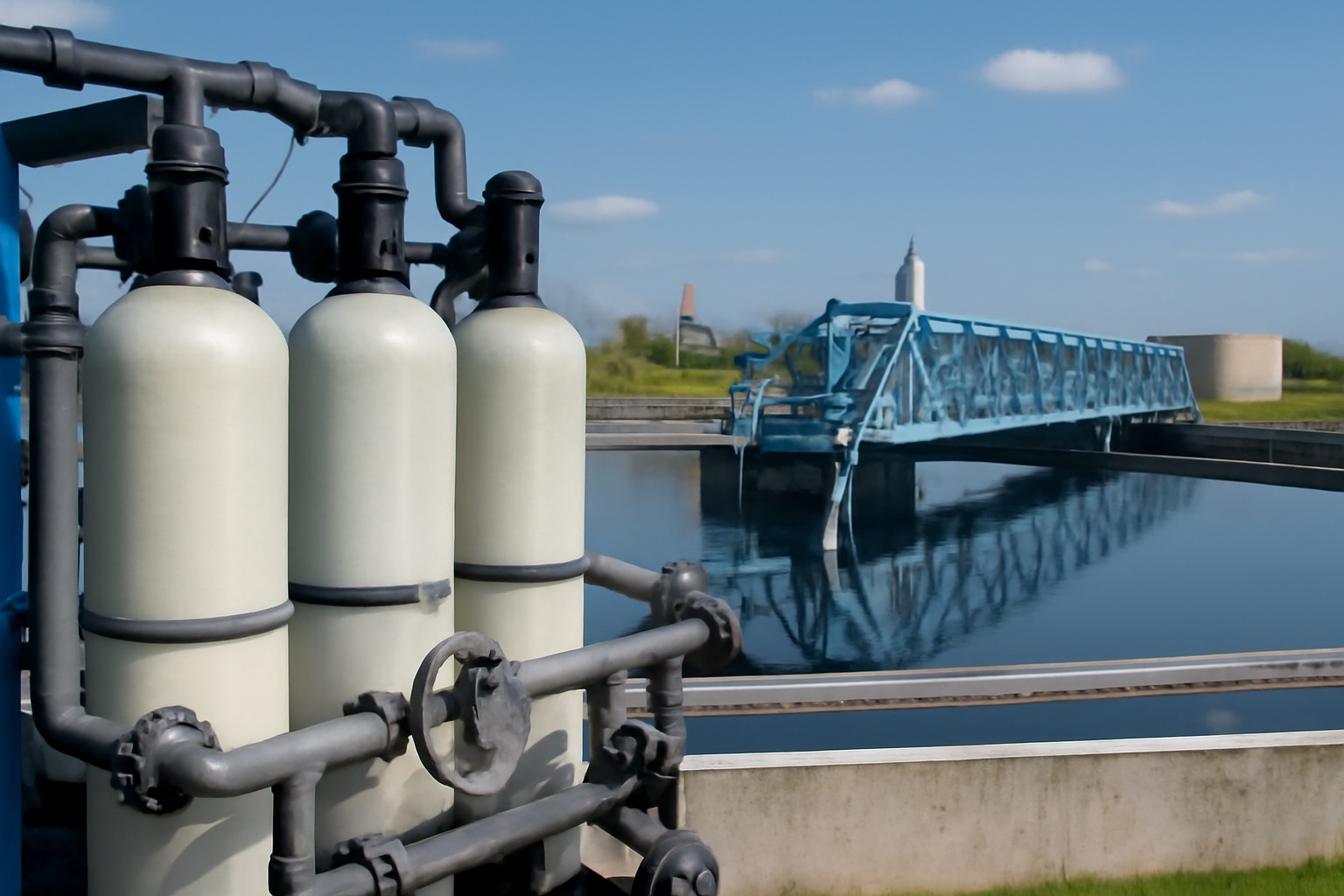
Water filtration systems are designed to remove contaminants from water, making it safe for consumption and other uses. These systems are crucial in managing limited water resources, especially in areas with scarce fresh water, like Dubai. But how exactly can water filtration systems help Dubai tackle its water scarcity issue?
Importance of Water Filtration
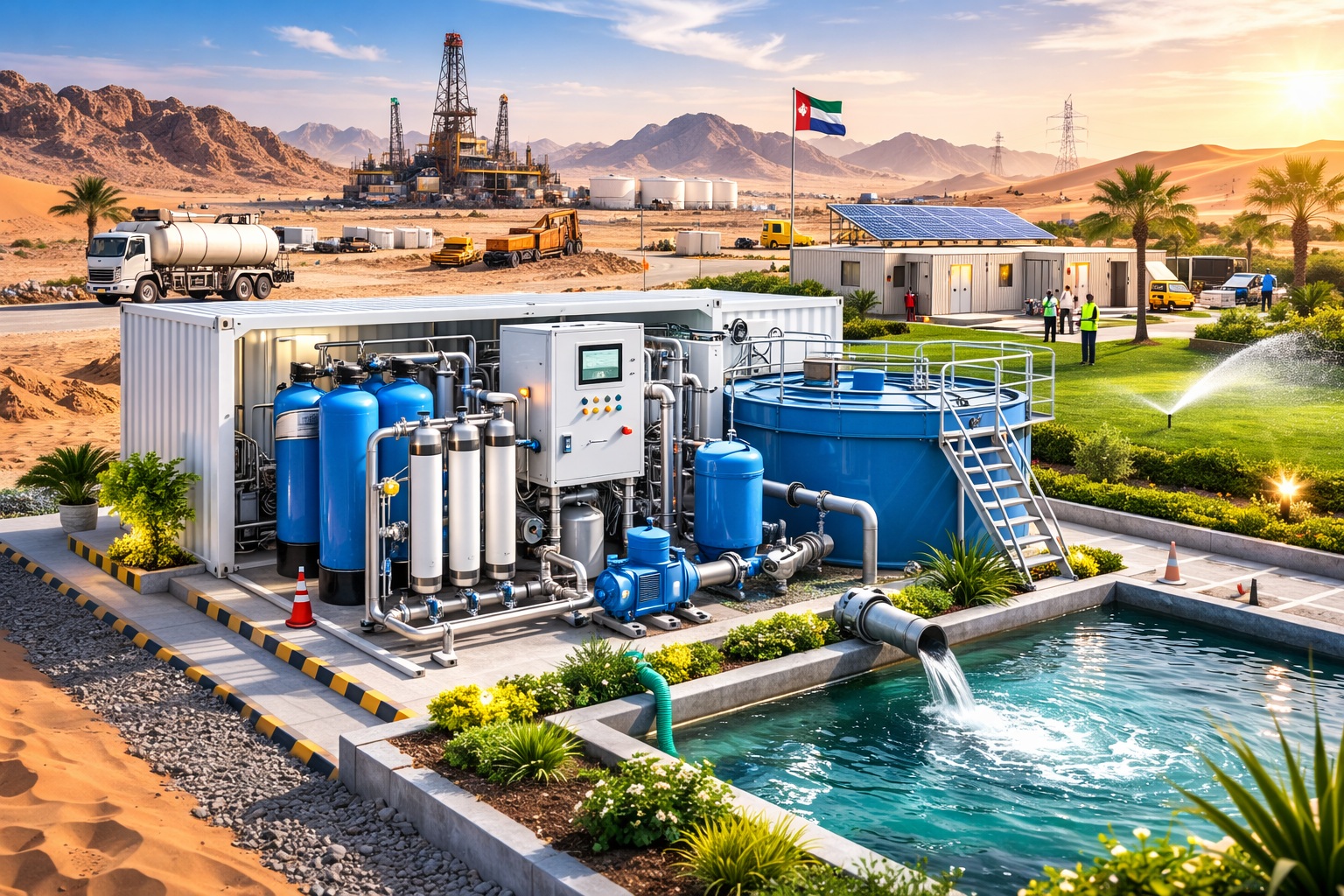
Water filtration systems allow for efficient management of existing water sources by improving the quality of water and making it suitable for reuse. These systems are particularly vital in Dubai, where water scarcity is a major concern, as they help recycle wastewater and desalinated water for non-potable purposes, like irrigation, landscaping, and industrial use. This reduces the overall demand for freshwater.
Types of Water Filtration Systems
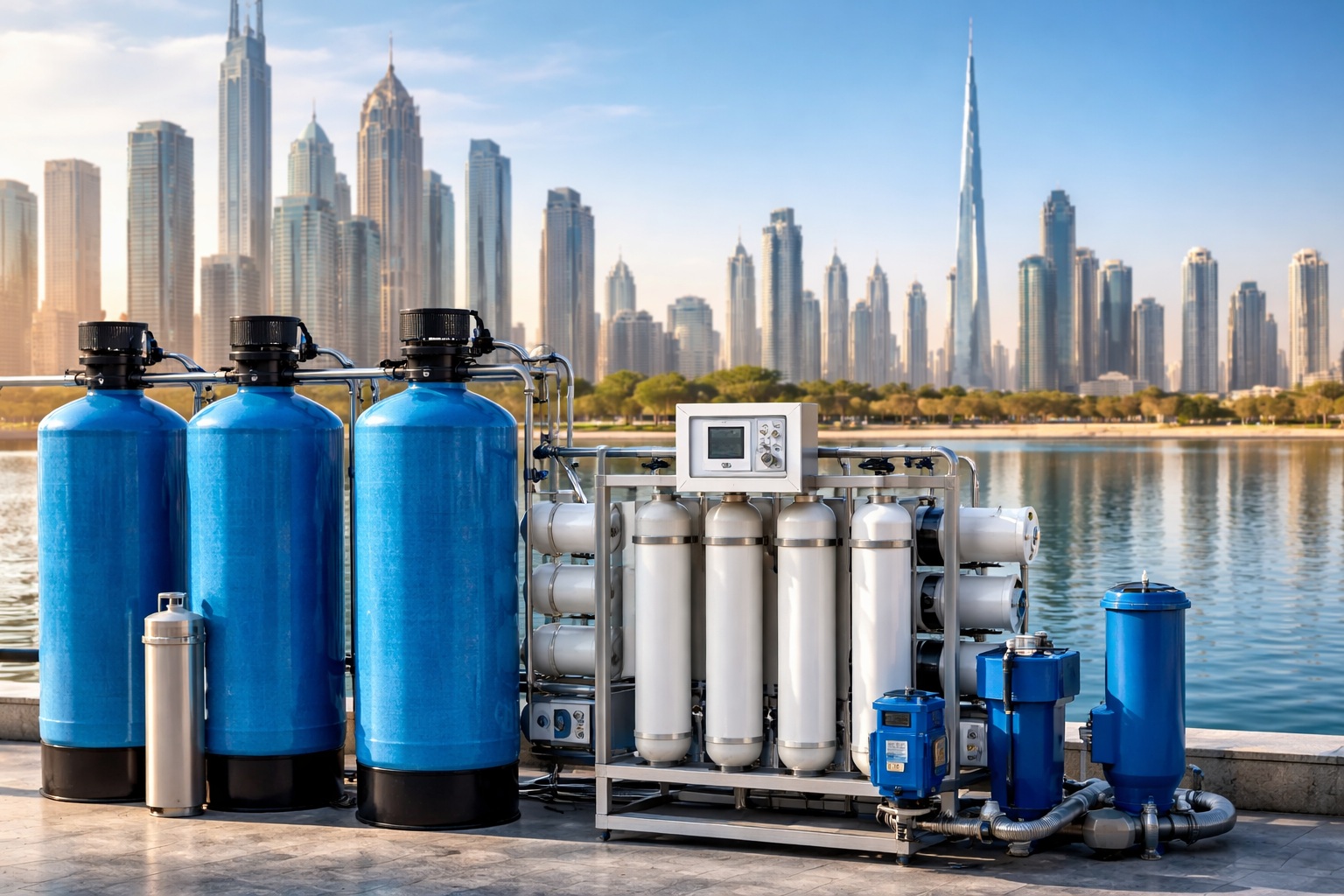
There are several types of water filtration technologies, each serving a unique purpose. Some of the most common include:
- Reverse Osmosis (RO): Widely used in desalination plants, this system forces water through a semi-permeable membrane to remove salts and impurities.
- Activated Carbon Filtration: This method uses carbon to remove organic contaminants, chlorine, and other pollutants from water.
- UV Purification: UV light is used to disinfect water by destroying harmful microorganisms and pathogens.
Each of these filtration methods plays a crucial role in making water more accessible and safer for consumption.
How Advanced Water Filtration Systems Can Address Water Scarcity in Dubai
Dubai is already using desalination technologies to meet its water needs, but these systems alone cannot sustain the city’s growing population and industries. Advanced water filtration systems complement desalination and offer additional benefits.
Efficiency in Water Use
Advanced filtration systems can help Dubai manage its water resources more efficiently by enabling the recycling of wastewater. For instance, treated water can be used for irrigation, industrial processes, or even cooling in commercial buildings, all of which reduces the demand for freshwater. This method is becoming increasingly common in both residential and industrial applications as a way to reduce the environmental impact of water use.
Supporting Desalination
Desalination, which accounts for about 98% of Dubai’s potable water, is energy-intensive and expensive. However, filtration technologies can enhance the efficiency of desalination by improving the quality of water before and after the desalination process. For example, filtration systems can remove particles and contaminants from seawater before it enters the desalination process, improving overall efficiency and reducing operational costs.
Real-time Monitoring and Automation
With the integration of IoT (Internet of Things) technology, advanced water filtration systems can provide real-time monitoring of water quality, usage, and system performance. This automation ensures that water treatment is optimized, reducing waste and improving operational efficiency. AI-powered systems can also predict maintenance needs, preventing costly downtime and ensuring that water filtration remains uninterrupted.
Real-World Applications of Water Filtration Systems in Dubai
Dubai is already leveraging water filtration systems across various sectors to address its water scarcity issue.
Residential Solutions
Many homeowners and residential communities in Dubai are investing in water filtration systems to ensure safe and clean drinking water. With the increasing cost of water and the potential risks of contaminated water, advanced filtration systems are becoming a popular choice for households looking to reduce reliance on bottled water and improve water quality.
Commercial and Industrial Use
In Dubai’s thriving hospitality sector, hotels and resorts are using water filtration systems to meet their water needs while adhering to the city’s stringent environmental regulations. Similarly, industries such as construction, food processing, and manufacturing are adopting filtration technologies to manage water usage, reduce costs, and minimize their environmental impact.
Public Sector and Municipal Use
The Dubai government is also investing in large-scale water filtration systems to manage municipal water supplies. These systems not only help ensure safe drinking water but also support the city’s water conservation goals by enabling the recycling of wastewater for non-potable uses, such as landscaping and cooling.
Government Initiatives and Investments in Water Filtration Systems
The UAE government has long recognized the importance of sustainable water management. As part of its broader vision to become a global leader in sustainability, the government is making significant investments in water filtration technologies.
Sustainability Goals
Dubai’s commitment to sustainability is reflected in its investments in water filtration systems, which play a critical role in the city’s goal of reducing its environmental footprint. By investing in water filtration, Dubai is not only addressing its water scarcity issues but also making strides toward achieving its sustainable development goals.
The Future of Water Filtration in Dubai
Looking ahead, water filtration systems are expected to play an even more prominent role in Dubai’s strategy for water sustainability. With advancements in technology, water filtration systems will become even more efficient and integrated into the city’s broader smart city initiatives.
Emerging Technologies
Future innovations in water filtration include solar-powered systems, AI-driven predictive maintenance, and more efficient desalination methods. These technologies will help Dubai manage its water resources more effectively, ensuring that clean water is available for generations to come.
Integration with Smart City Projects
As part of its smart city vision, Dubai is integrating water filtration systems with other smart technologies to create a more sustainable and efficient city. These systems will work alongside other smart technologies, like smart meters and IoT sensors, to provide real-time data on water usage and quality.
Conclusion
Dubai’s water scarcity is a serious challenge, but it’s one that can be addressed through innovation and investment in advanced water filtration systems. By implementing these technologies, Dubai can not only reduce its reliance on desalinated water but also promote sustainability, improve water quality, and optimize water usage across the city.
As the city continues to grow, the need for efficient, sustainable water solutions will only increase. Advanced water filtration systems offer a practical, cost-effective solution to ensure that Dubai’s water needs are met now and in the future.