





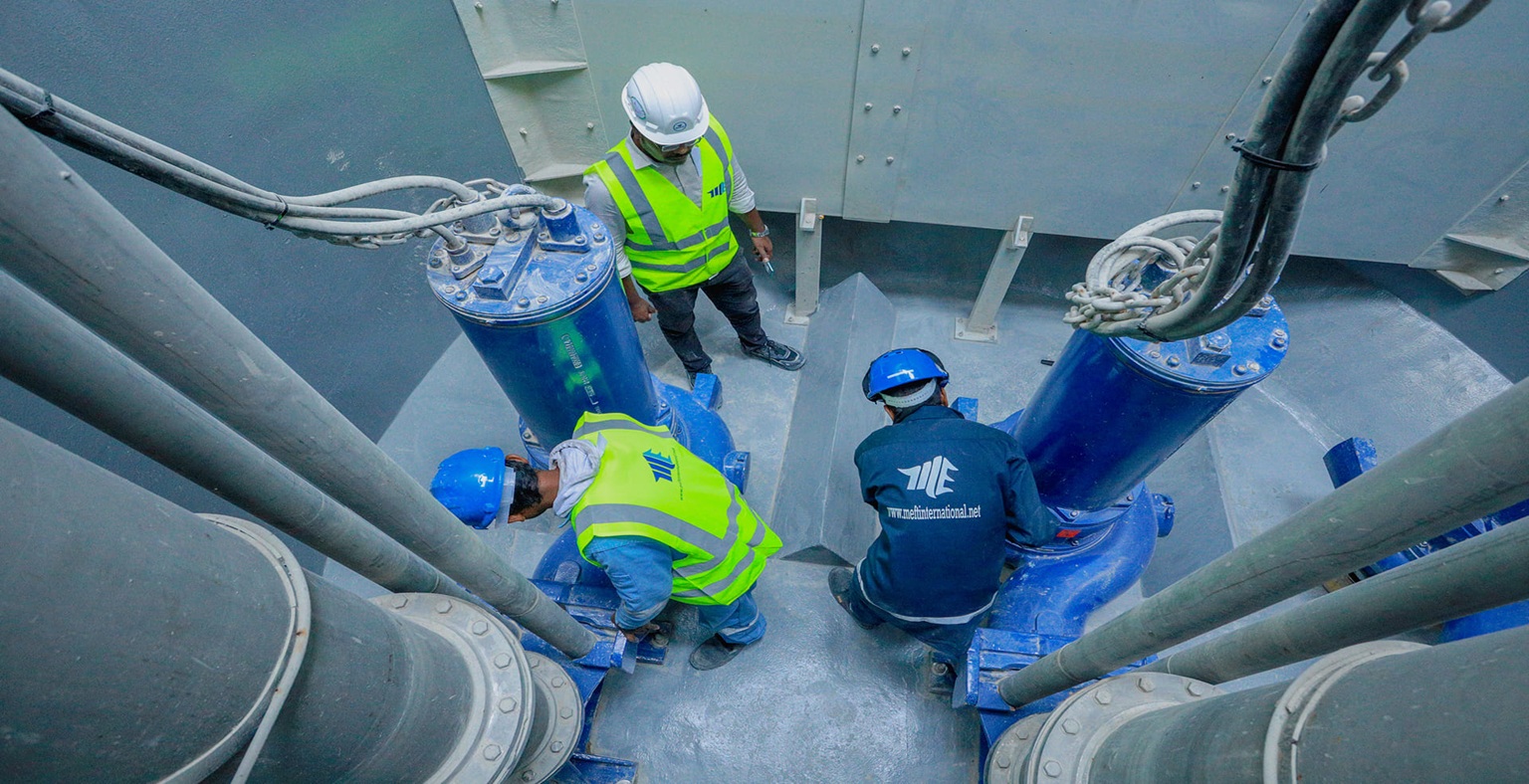
Small-scale projects often face big wastewater challenges. Limited space, tight budgets, short timelines, and regulatory compliance can make traditional wastewater treatment systems impractical. This is especially true for small residential developments, labour camps, construction sites, boutique hotels, clinics, and remote commercial units.
Conventional wastewater treatment plants are typically designed for large populations and require extensive civil works, land availability, and long installation timelines. For small-scale developments, this often results in unnecessary costs and operational complexity.
This is where compact package treatment plants offer a smarter alternative. Designed to be space-efficient, cost-effective, and quick to deploy, these systems are transforming how small projects manage wastewater—without compromising on performance or compliance.
What Are Compact Package Treatment Plants?
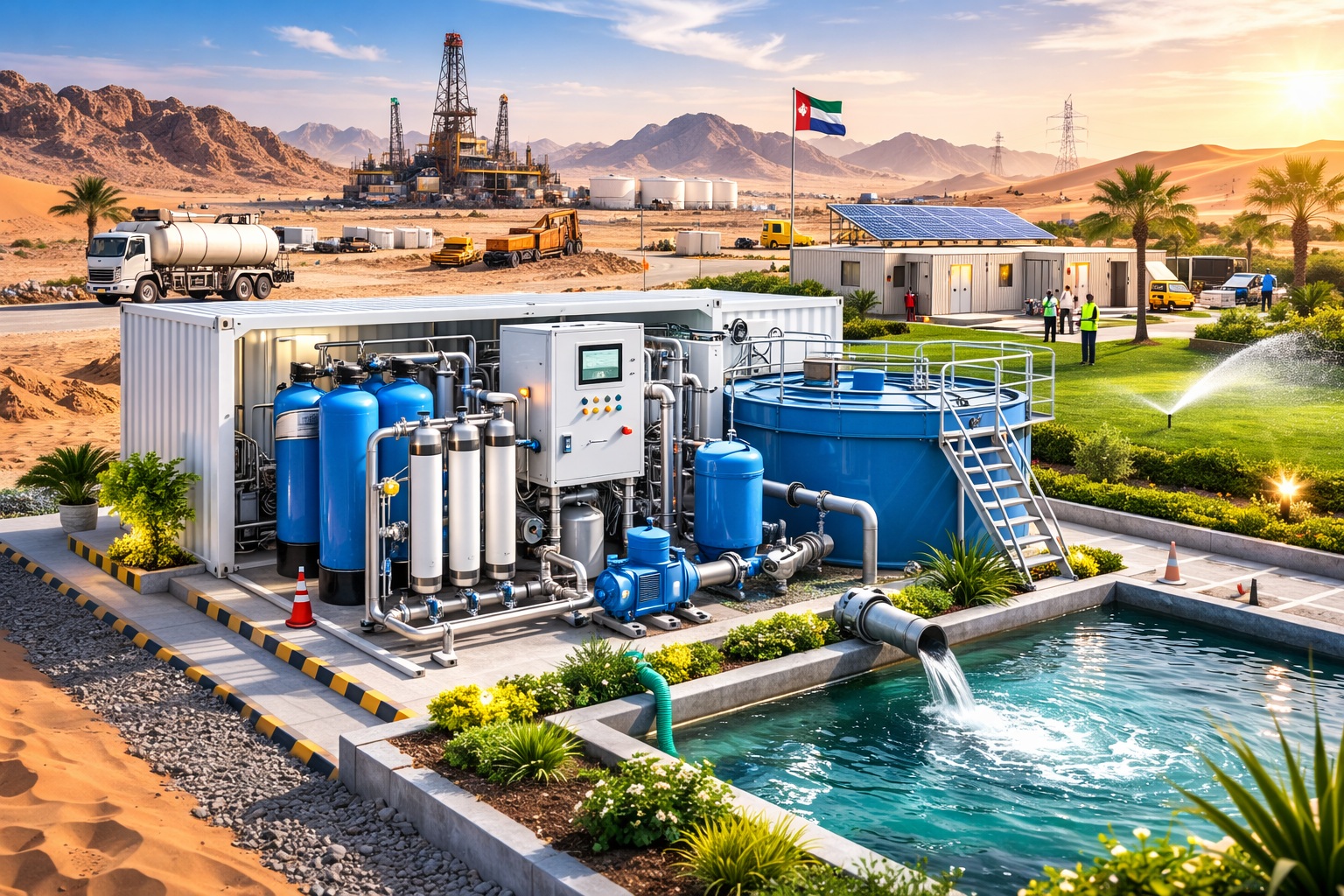
Compact package treatment plants are pre-engineered wastewater treatment systems that combine multiple treatment processes into a single, integrated unit. Unlike large conventional plants, these systems are designed specifically for low to medium wastewater flows.
They typically include:
- Primary treatment for solid removal
- Biological treatment for organic waste reduction
- Clarification and disinfection
- Optional tertiary treatment for water reuse
Their modular and compact design allows them to be installed in confined spaces, underground, or within existing site layouts—making them ideal for small-scale projects.
Why Traditional Wastewater Systems Don’t Work for Small-Scale Projects
Many small developments struggle when using conventional wastewater treatment solutions due to:
- High capital and civil construction costs
- Large land requirements
- Over-designed capacity for actual demand
- Long installation and approval timelines
- Operational complexity and higher maintenance needs
For small-scale projects, these challenges often outweigh the benefits. Compact package treatment plants solve these problems by delivering exactly what’s needed—no more, no less.
Key Benefits of Compact Package Treatment Plants for Small-Scale Projects
1 pace-Saving Design
Compact package treatment plants are engineered to occupy minimal space. They can be installed:
- In basements or underground tanks
- Within tight urban plots
- In remote or restricted-access locations
This makes them ideal where land availability is limited or expensive.
2. Cost-Effective Investment
Compared to conventional plants, compact systems significantly reduce:
- Civil construction costs
- Installation labour
- Infrastructure requirements
Lower operational and maintenance costs also make them economically attractive over the long term.
3. Fast Installation & Commissioning
These systems are factory-built and pre-tested, which means:
- Minimal on-site construction
- Faster commissioning
- Shorter project timelines
This is especially beneficial for projects with strict deadlines or temporary installations.
4. Scalable and Modular
Compact package treatment plants are designed to grow with your project. Additional modules can be added as wastewater volumes increase, eliminating the need for complete system replacement.
5. Easy Operation & Low Maintenance
With automated controls and simple operation logic, these systems:
- Require minimal operator intervention
- Can be managed by non-technical staff
- Reduce the risk of operational errors
Ideal Applications for Compact Package Treatment Plants
Compact package treatment plants are widely used in:
- Small residential buildings and gated communities
- Labour camps and staff accommodations
- Construction and temporary project sites
- Boutique hotels, lodges, and resorts
- Schools, clinics, and small commercial facilities
Their flexibility makes them suitable for both permanent and temporary applications.
Environmental and Sustainability Advantages
Sustainability is becoming a critical requirement even for small-scale developments. Compact package treatment plants support environmental goals by:
- Enabling wastewater reuse for irrigation and landscaping
- Reducing freshwater consumption
- Minimising environmental discharge impact
- Supporting green building and sustainability certifications
These systems help projects meet environmental obligations with a smaller footprint.
Regulatory Compliance for Small Projects
Despite their size, small-scale projects must still comply with local wastewater discharge standards. Compact package treatment plants are designed to deliver consistent, compliant treated water quality, making regulatory approvals easier and reducing the risk of penalties.
Their standardised design and proven performance also simplify inspections and authority approvals.
Key Factors to Consider When Choosing a Compact Package Treatment Plant
Before selecting a system, it’s important to evaluate:
- Daily wastewater flow and peak load
- Available installation space
- Influent wastewater characteristics
- Treated water reuse requirements
- Availability of local service and maintenance support
Choosing the right system ensures long-term reliability and performance.
Conclusion: A Smart Wastewater Solution for Small-Scale Projects
Compact package treatment plants are not a compromise—they are a purpose-built solution for small-scale developments. By combining efficiency, affordability, and sustainability, they offer a reliable way to manage wastewater without the burden of traditional infrastructure.
For small projects looking to stay compliant, reduce costs, and minimise environmental impact, compact package treatment plants are a future-ready choice.
We are providing one of the best Water purifiers and having water treatment plants in Chennai.
Refresh your body and energy level to be furnished with our Eco Green Products.