

Plastic injection molding stands as a cornerstone of modern manufacturing, delivering unparalleled precision for thermoplastic components used across industries like automotive, medical, electronics, and consumer goods. This high-volume process transforms raw plastic pellets into intricate, durable parts with tolerances as tight as ±0.001 inches. As demand surges for lightweight, customizable thermoplastics—think nylon gears, polycarbonate housings, or ABS prototypes—reliable partners like a top Plastic Injection Moulding Manufacturer become essential.
In this guide, we'll explore the mechanics of plastic injection molding, its advantages for precision thermoplastic components, and why choosing the right Injection Molding Machine Supplier matters. Whether you're scaling production or prototyping, understanding this technology unlocks efficiency and innovation.
What Is Plastic Injection Molding?
At its core, plastic injection molding involves melting thermoplastic resins—such as polyethylene, polypropylene, or high-performance PEEK—and injecting them under high pressure into a precisely engineered mold cavity. The material cools and solidifies, forming components that match the mold's exact geometry.
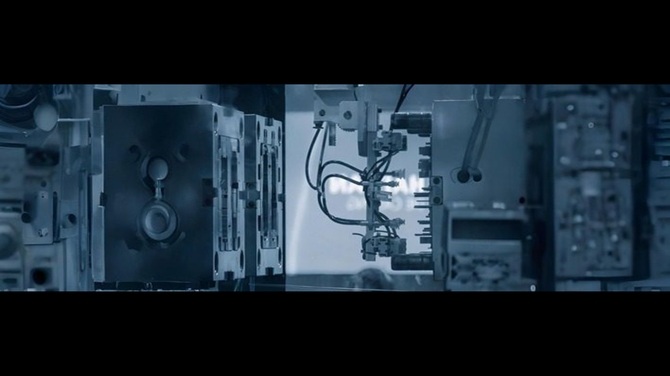
A Plastic Injection Moulding Machine powers this process, featuring key components like a hopper for resin feeding, a barrel with heaters and a reciprocating screw for melting and mixing, an injection unit for precise dosing, and a clamping unit to secure the mold. Cycles typically last 10-60 seconds, enabling thousands of identical parts per day.
This method excels for precision thermoplastic components because thermoplastics soften when heated and harden upon cooling, allowing repeatable molding without material waste. Unlike thermosets, which cure irreversibly, thermoplastics support recycling and rework, aligning with sustainable manufacturing trends.
The Plastic Injection Molding Process Step-by-Step
Mastering the workflow ensures high-quality output. Here's how a leading Plastic Injection Moulding Manufacturer executes it:
Material Preparation: Select thermoplastics based on properties like tensile strength or chemical resistance. Pellets are dried to prevent defects.
Mold Design and Setup: Custom steel or aluminum molds are machined with features like cooling channels for uniform solidification. Precision here dictates part accuracy.
Injection Phase: The Plastic Injection Moulding Machine melts resin at 200-300°C and injects it at 10,000-30,000 psi into the mold.
Cooling and Solidification: Water or oil circulates through mold channels, cooling parts in seconds to lock in dimensions.
Ejection and Finishing: Parts eject via pins, then undergo trimming, assembly, or quality checks like CMM scanning for tolerances.
Advanced Injection Molding Machine Suppliers integrate automation, such as robotic arms for demolding, slashing cycle times by 20-30%.
Advantages of Plastic Injection Molding for Thermoplastic Components
Why choose injection molding over alternatives like CNC machining or 3D printing? Its strengths shine for precision needs:
Unmatched Precision and Repeatability: Achieves micron-level accuracy, ideal for thermoplastic components in medical devices or aerospace fittings.
High-Volume Efficiency: Produces millions of parts with minimal per-unit costs—perfect for scaling.
Design Flexibility: Supports complex geometries, undercuts, and multi-material overmolding via two-shot processes.
Material Versatility: Over 10,000 thermoplastic grades available, from flexible TPEs to rigid engineering plastics.
Reduced Waste: 95% material utilization compared to subtractive methods.
For businesses, partnering with a trusted Plastic Injection Moulding Manufacturer minimizes downtime and ensures compliance with ISO 9001 standards.
Key Equipment: Choosing the Right Plastic Injection Moulding Machine
The heart of any operation is the Plastic Injection Moulding Machine. Tonnage (clamping force, measured in tons) must match mold size—e.g., 100-ton for small parts, 1,000+ for automotive bumpers. Shot size, injection speed, and screw diameter further tailor performance.
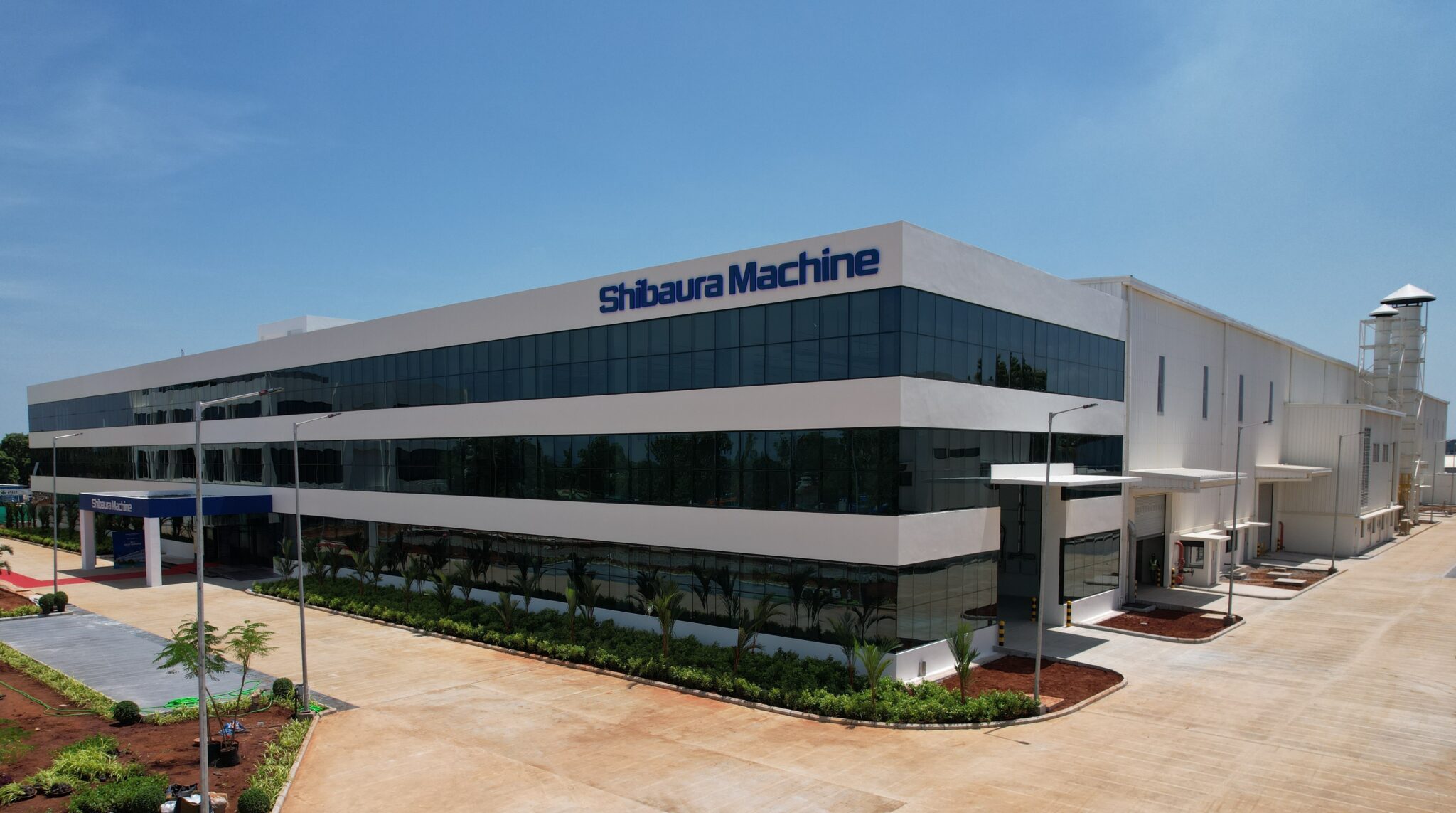
Enter Shibaura Machine, a premier Injection Molding Machine Supplier renowned for all-electric and hybrid models. Their EC-SII series delivers energy savings up to 70% over hydraulic machines, with servo-driven precision for flawless thermoplastic components. Features like V-PNC controllers enable real-time monitoring, reducing defects by 50%.
As India's leading Injection Molding Machine Supplier, Shibaura Machine supports tonnages from 30-3,500, catering to SMEs and giants alike. Their machines excel in high-speed cycles for thin-walled packaging or precision optics.
Applications of Precision Thermoplastic Components
Plastic injection molding powers diverse sectors:
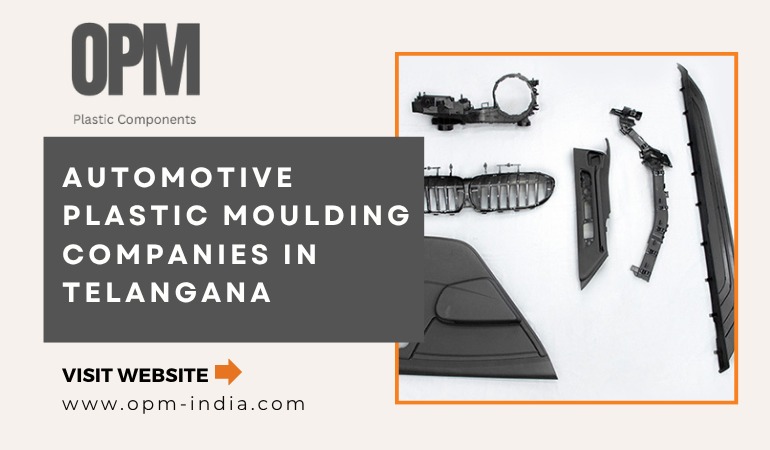
Automotive: Lightweight PP bumpers and PA6 air intake manifolds cut fuel use by 10%.
Medical: Sterilizable polycarbonate syringes and PEEK implants meet FDA standards.
Electronics: ABS enclosures and nylon connectors withstand vibration and heat.
Consumer Goods: HDPE toys and PET bottles produced at scale.
A skilled Plastic Injection Moulding Manufacturer using Shibaura Machine tech ensures components meet RoHS and REACH regulations.
Shibaura Machine: Your Ideal Injection Molding Machine Supplier
When sourcing equipment, Shibaura Machine stands out as a global leader and top Injection Molding Machine Supplier in India. With roots in Toshiba Machine, they offer:
All-Electric Precision: Zero hydraulic oil leaks, ideal for cleanrooms.
Smart Integration: IoT-ready for Industry 4.0, predicting maintenance.
Local Expertise: Comprehensive service in India, from installation to training.
Customers report 15% faster cycles and lower energy bills. For a Plastic Injection Moulding Machine that handles engineering thermoplastics flawlessly, Shibaura delivers ROI in under two years.
Challenges and Solutions in Plastic Injection Molding
No process is perfect. Common issues include:
Warping: Uneven cooling—solved by optimized mold channels.
Sink Marks: Thick sections shrink—use ribbing or Shibaura's precise pressure control.
Flash: Excess material—calibrate clamping force on advanced Plastic Injection Moulding Machines.
A reputable Plastic Injection Moulding Manufacturer employs simulation software like Moldflow to preempt defects, ensuring 99.9% yield.
Future Trends in Plastic Injection Molding
Innovation drives the industry forward:
Sustainable Resins: Bio-based thermoplastics reduce carbon footprints.
Micro-Molding: For wearables and microfluidics, needing sub-gram shots.
Hybrid Manufacturing: 3D-printed molds for rapid prototyping.
AI Optimization: Shibaura Machine's systems use machine learning for parameter tuning.
As an Injection Molding Machine Supplier, Shibaura leads with eco-friendly models compliant with global green standards.
Partner with Experts for Precision Success
Plastic injection molding transforms thermoplastic components from concept to reality with speed and precision. By selecting a proven Plastic Injection Moulding Manufacturer and a reliable Injection Moulding Machine Supplier like Shibaura Machine, you gain a competitive edge.
Ready to elevate your production? Explore Shibaura's Plastic Injection Moulding Machine lineup today.