

Plastic injection molding has become one of the most widely used manufacturing processes in modern industry. From automotive components and medical devices to consumer electronics and packaging, this process enables the mass production of high-quality plastic parts with precision and consistency. At the heart of this process lies the Molding Machine, a sophisticated system designed to melt, inject, and shape plastic materials into finished products.
This article explores what a Plastic Injection Moulding Machine is, its working principle, the major types available today, and the benefits they offer. We will also discuss why choosing a trusted brand like Shibaura Machine can make a significant difference in productivity, quality, and long-term performance.
What Is a Plastic Injection Moulding Machine?
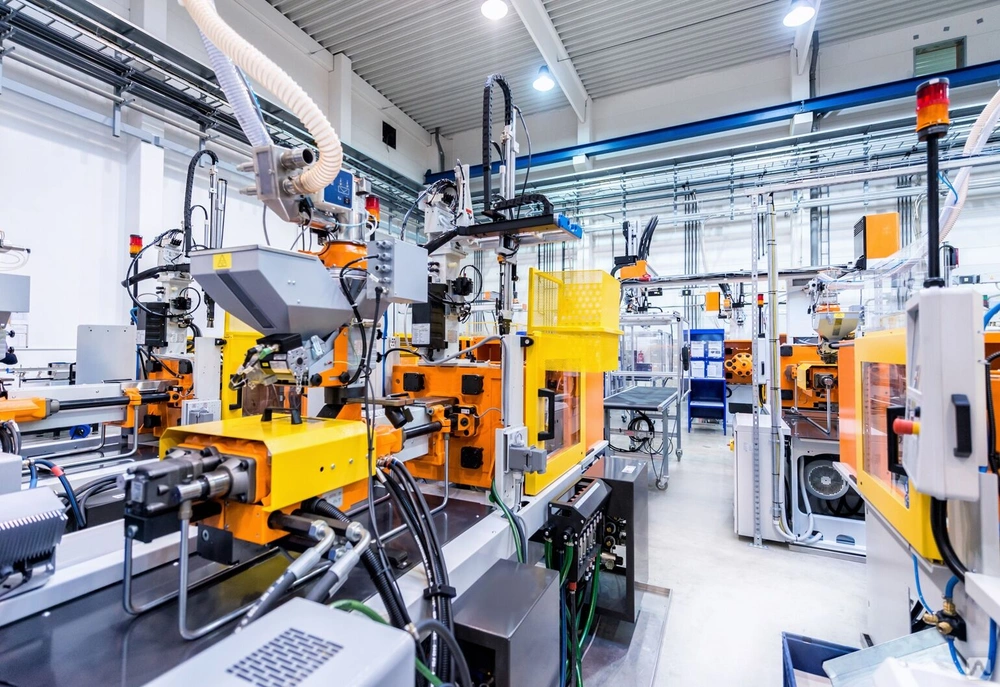
A Plastic Injection Moulding Machine is industrial equipment used to manufacture plastic parts by injecting molten plastic material into a mold cavity. Once the plastic cools and solidifies, the mold opens to eject the finished part. This process is highly repeatable, making it ideal for large-scale production.
The machine typically consists of three main units:
Injection Unit – Melts and injects plastic material into the mold
Clamping Unit – Holds the mold securely during injection and cooling
Control System – Manages temperature, pressure, speed, and cycle time
Modern molding machines are engineered for accuracy, efficiency, and automation, allowing manufacturers to meet strict quality standards while reducing waste.
How Does a Molding Machine Work?
The working cycle of a molding machine follows a series of precise steps:
Material Feeding – Plastic granules are fed into the hopper
Melting – The material is heated and melted inside the barrel
Injection – Molten plastic is injected into the mold under high pressure
Cooling – The plastic cools and solidifies into the desired shape
Ejection – The mold opens and the finished part is ejected
This automated cycle enables manufacturers to produce thousands—or even millions—of identical plastic components with minimal variation.
Types of Plastic Injection Molding Machines
There are several types of injection molding machines available, each designed to meet specific production needs. The most common categories include hydraulic, electric, and hybrid machines.
Hydraulic Injection Moulding Machine
The Hydraulic Injection Moulding Machine is one of the oldest and most widely used types in the industry. It operates using hydraulic pumps and cylinders to control clamping force and injection pressure.
Key Features:
High clamping force for large molds
Robust and durable construction
Suitable for thick-walled and high-pressure applications
Benefits:
Excellent for heavy-duty and large-scale production
Lower initial investment compared to electric machines
Reliable performance in demanding environments
Hydraulic machines remain popular in industries such as automotive, logistics, and industrial manufacturing, where power and strength are critical.
Electric Injection Moulding Machine
The Electric Injection Moulding Machine uses servo-driven electric motors instead of hydraulic systems. This type of machine has gained popularity due to its energy efficiency and precision.
Key Features:
High accuracy and repeatability
Clean and quiet operation
Fast cycle times
Benefits:
Up to 50–70% energy savings compared to hydraulic machines
Ideal for cleanroom environments such as medical and electronics manufacturing
Reduced maintenance due to fewer moving parts
Electric machines are especially suitable for manufacturers seeking precision, sustainability, and lower operating costs.
Hybrid Injection Moulding Machine
Hybrid machines combine the strengths of both hydraulic and electric systems. They use electric motors for precision movements and hydraulics for high-force operations.
Benefits:
Balanced performance and energy efficiency
Lower operating costs than fully hydraulic systems
Versatile for a wide range of applications
Benefits of Using Plastic Injection Molding Machines
The widespread adoption of plastic injection molding is driven by the many advantages it offers:
1. High Production Efficiency
Injection molding enables rapid cycle times and continuous production, making it ideal for high-volume manufacturing.
2. Design Flexibility
Complex shapes, fine details, and intricate geometries can be produced with ease.
3. Consistent Quality
Automated control systems ensure uniformity across every produced part.
4. Material Versatility
A wide range of thermoplastics and engineering plastics can be used, including ABS, PP, PE, Nylon, and more.
5. Reduced Waste
Excess material can often be recycled, making the process more cost-effective and environmentally friendly.
Choosing the Right Molding Machine
Selecting the right molding machine depends on several factors:
Type and size of the product
Required production volume
Material specifications
Energy efficiency goals
Budget and long-term operational costs
Manufacturers must also consider machine reliability, after-sales support, and technological innovation.
Why Choose Shibaura Machine?
Shibaura Machine is a globally recognized leader in injection molding technology. Known for its Japanese engineering excellence, the brand offers a wide range of Plastic Injection Moulding Machines designed for performance, precision, and sustainability.
Advantages of Shibaura Machine:
Advanced automation and control systems
Energy-efficient electric and hybrid solutions
Exceptional durability and long service life
Global service network and technical support
Shibaura Machine’s electric injection molding machines, in particular, are renowned for their precision, clean operation, and reduced energy consumption, making them a preferred choice across industries such as medical, packaging, automotive, and electronics.
Applications of Plastic Injection Molding Machines
Plastic injection molding machines are used across diverse industries, including:
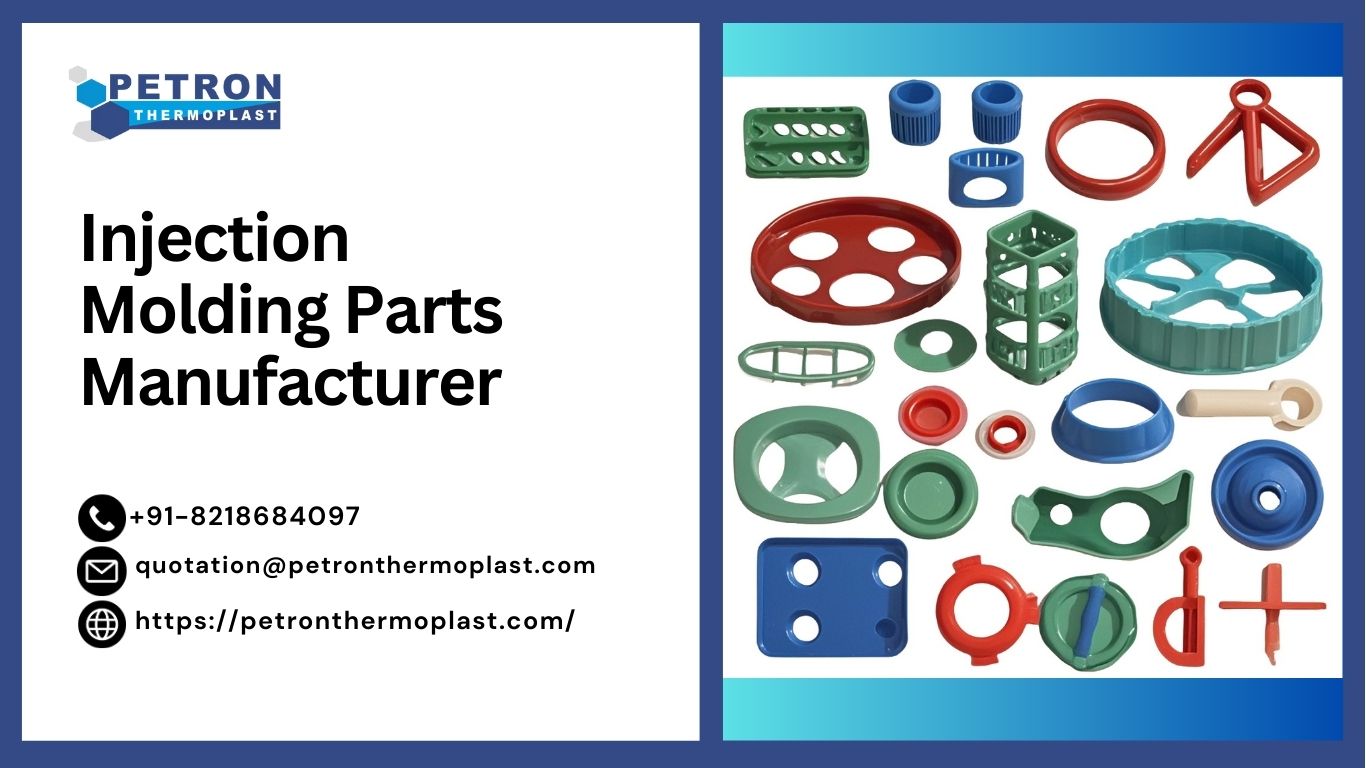
Automotive components (dashboards, clips, connectors)
Medical devices (syringes, housings, diagnostic tools)
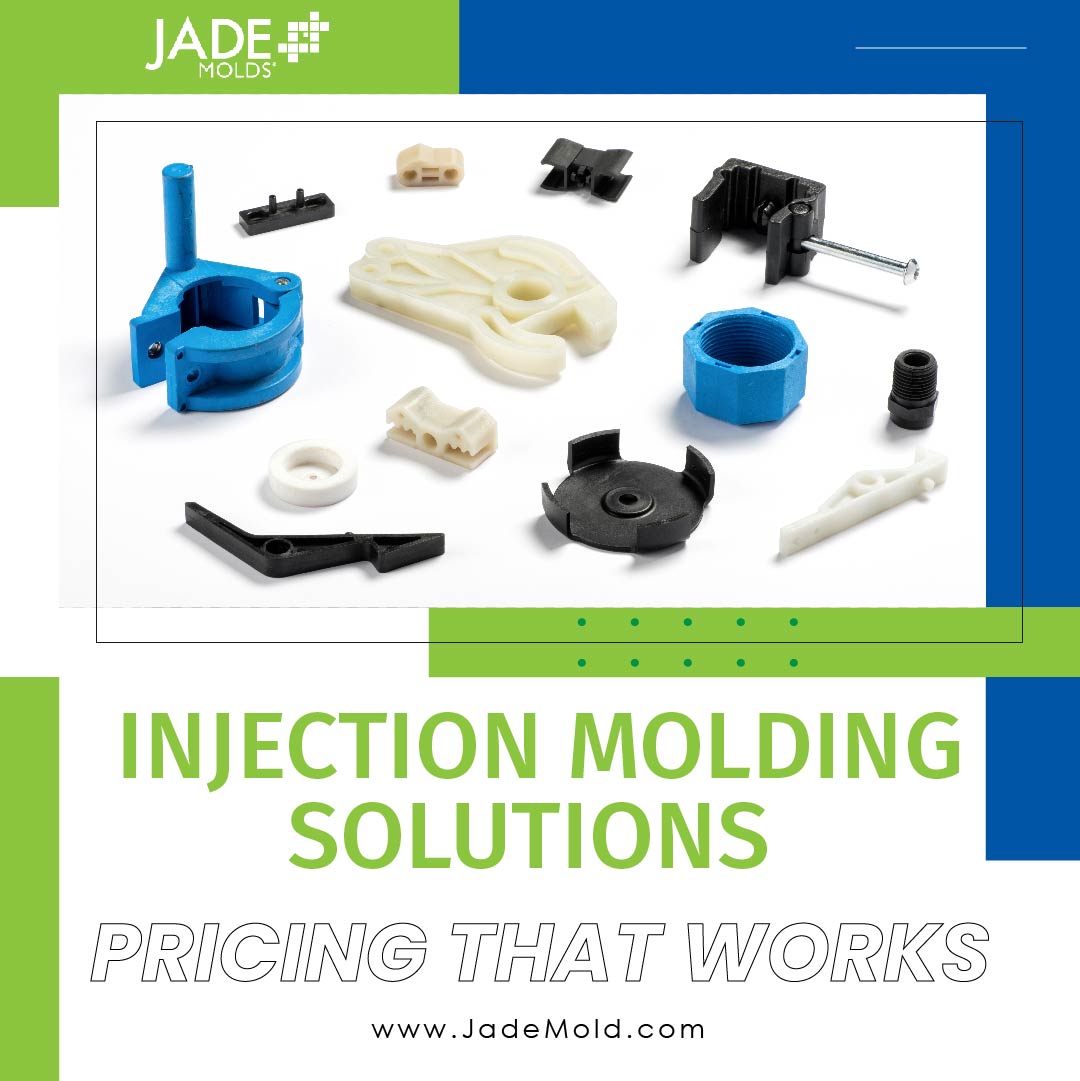
Consumer goods (bottles, containers, toys)
Electronics (connectors, casings, switches)
Packaging and logistics
The versatility of the molding machine allows manufacturers to adapt quickly to market demands and product innovations.
Future Trends in Injection Molding Technology
The future of injection molding is being shaped by advancements such as:
Industry 4.0 and smart manufacturing
Increased use of electric injection moulding machines
Sustainable materials and energy-efficient processes
Enhanced automation and robotics
Brands like Shibaura Machine continue to lead the industry by integrating smart technologies that improve productivity while reducing environmental impact.
Conclusion
A Plastic Injection Moulding Machine is a critical investment for manufacturers aiming to produce high-quality plastic components efficiently and consistently. Whether choosing a Hydraulic Injection Moulding Machine for heavy-duty applications or an Electric Injection Moulding Machine for precision and energy savings, understanding the types and benefits is essential.
With its proven technology, innovation, and global reputation, Shibaura Machine stands out as a reliable partner for businesses seeking advanced molding solutions. By selecting the right molding machine, manufacturers can enhance productivity, reduce costs, and stay competitive in an ever-evolving market.