

Hydraulic Injection Moulding Machines and Electric Injection Moulding Machines represent two dominant technologies in plastic manufacturing, each with distinct strengths for different production needs. Understanding their key differences helps manufacturers select the right equipment for efficiency, cost, and precision.
Core Mechanisms
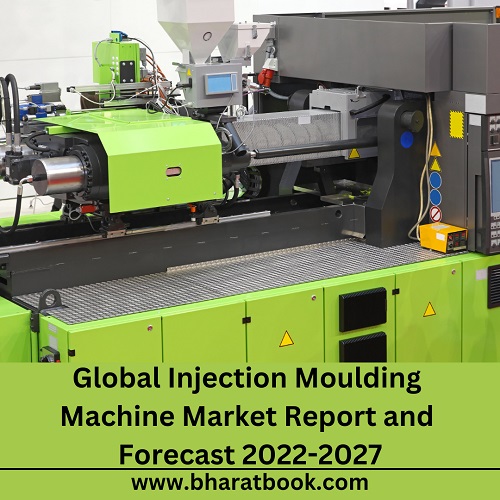
Hydraulic Injection Moulding Machines rely on pressurized hydraulic oil and pistons to drive movements like clamping, injection, and ejection. This fluid-based system delivers robust power for heavy-duty tasks. Electric Injection Moulding Machines, by contrast, use servo motors for each function, enabling direct, independent control without fluids.
These mechanisms shape every aspect of performance, from speed to maintenance.
Power and Clamping Force
Hydraulic Injection Moulding Machines excel in high clamping force, often reaching up to 80,000 kN, ideal for large, complex parts. Their piston-driven design handles high-pressure demands reliably. Electric Injection Moulding Machines typically offer lower clamping force, suiting smaller to medium-sized products where precision trumps raw power.
For big automotive components, hydraulics dominate; electrics shine in electronics housings.
Energy Efficiency
Electric Injection Moulding Machines consume power only during active operations, achieving 50-75% energy savings over hydraulics by avoiding idle losses. Servo motors match exact load needs precisely. Hydraulic Injection Moulding Machine draw continuous energy to maintain oil pressure, leading to higher utility costs and heat generation.
Brands like Shibaura Machine integrate advanced servo drives in their Electric Injection Moulding Machines to maximize these savings.
Precision and Repeatability
Electric models provide superior position accuracy—down to microns—thanks to digital servo controls unaffected by fluid variables like temperature. This ensures consistent part quality across runs. Hydraulic Injection Moulding Machines offer moderate precision, as oil viscosity fluctuations can impact repeatability.
High-precision medical devices favor electrics for minimal defects.
Speed and Cycle Times
Electric Injection Moulding Machines enable faster cycles through independent motors for injection, clamping, and ejection, reducing startup scrap. Quick tuning boosts throughput. Hydraulic Injection Moulding Machines operate slower due to fluid dynamics but support high-speed injection via accumulators for specific processes.
Electrics cut cycle times by 20-30% in many applications.
Maintenance and Cleanliness
Hydraulic systems require regular oil changes, leak checks, and filter replacements, increasing downtime and costs. Oil contamination risks affect cleanroom environments. Electric Injection Moulding Machines need minimal upkeep—no fluids mean fewer breakdowns and a cleaner workspace.
Shibaura Machine's Electric Injection Moulding Machine emphasize low-maintenance designs for reliable, long-term operation.
Cost Comparison

Hydraulics suit budget-conscious starts for rugged production.
Applications Overview
Hydraulic Injection Moulding Machines thrive in large-scale molding of automotive bumpers, pallets, and thick-walled items needing maximum force. Electric Injection Moulding Machines dominate precision sectors like consumer electronics, medical parts, and optics. Many facilities, including those using Shibaura Machine equipment, run both for versatility.
Automotive: Hydraulics for structural parts.
Electronics: Electrics for intricate casings.
Packaging: Electrics for speed.
Environmental Impact
Electric Injection Moulding Machines reduce energy use and eliminate oil disposal, aligning with sustainability goals and lowering noise. Hydraulic models generate more waste from fluids and higher emissions but improve with servo-hydraulic hybrids. Shibaura Machine offers eco-friendly Electric Injection Moulding Machines that cut water cooling needs.
Shibaura Machine Insights
Shibaura Machine stands out with its all-electric and servo-hydraulic lines, blending hydraulic power with electric precision. Their Electric Injection Moulding Machines deliver high repeatability and energy efficiency for diverse industries. Models like the EC-Sii series optimize for low waste and fast setups, making them a top choice over traditional hydraulics.
Choosing the Right Machine
Select Hydraulic Injection Moulding Machines for cost-effective, high-force production of big parts. Opt for Electric Injection Moulding Machines when precision, efficiency, and cleanliness matter most. Evaluate part size, volume, and tolerances first—hybrids from Shibaura Machine bridge gaps effectively.