


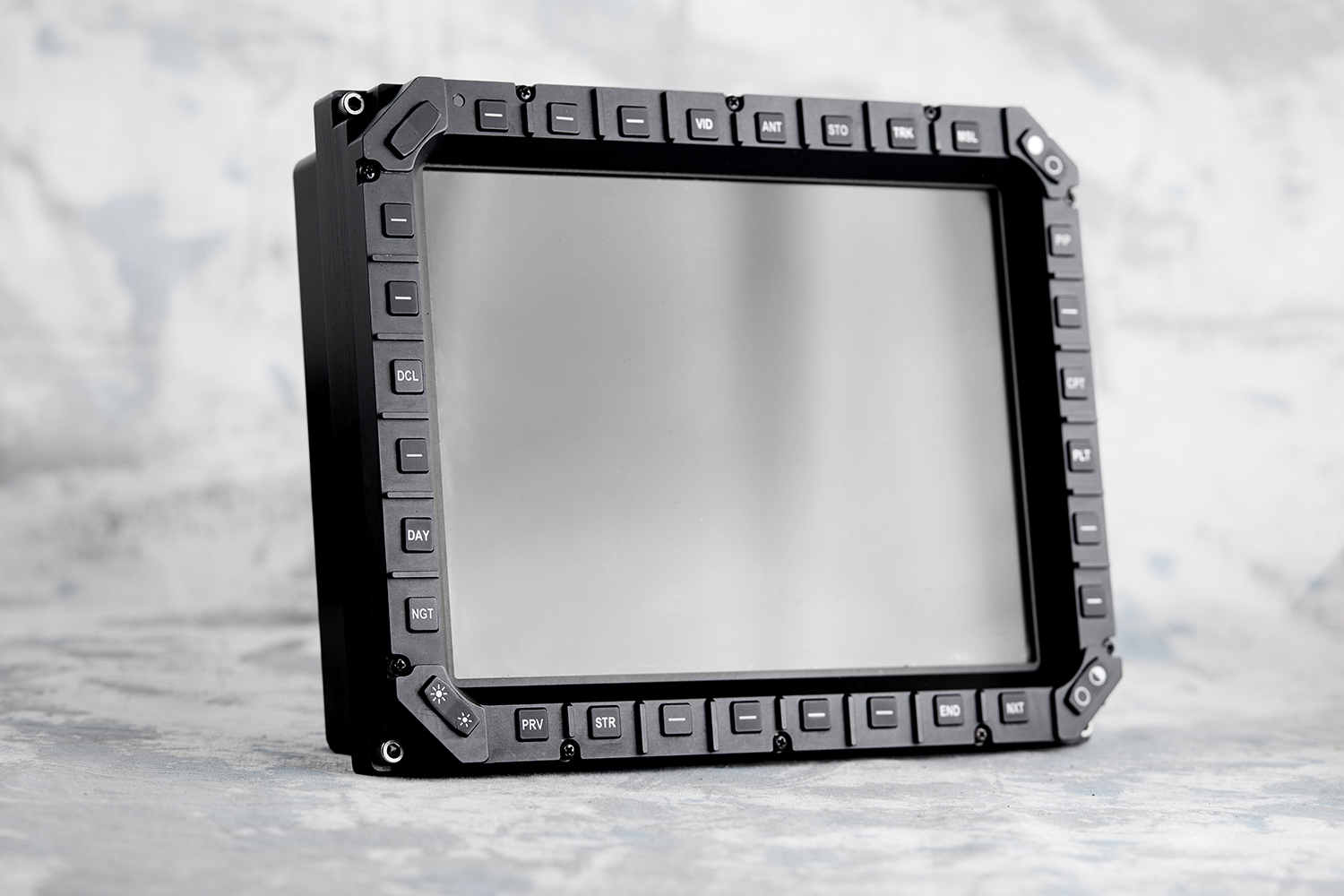
The Critical Importance of Manufacturer Selection
Choosing among rugged display manufacturers represents one of the most consequential decisions system integrators and procurement managers make. The selected display becomes integral to aircraft platforms operating for decades, making manufacturer reliability, technical capability, and long-term support as important as the display specifications themselves. In 2025, the landscape of rugged display providers includes established aerospace suppliers, specialized military contractors, and emerging technology companies - each offering distinct advantages for specific applications.
Key Selection Criteria Beyond Specifications
When evaluating rugged display manufacturers, technical specifications tell only part of the story. Equally important are qualification testing comprehensiveness, manufacturing quality systems, supply chain stability, and obsolescence management programs. Manufacturers serving military aviation must maintain active security clearances and demonstrate compliance with International Traffic in Arms Regulations (ITAR) for technology transfer. Long-term component availability guarantees matter enormously for platforms with 30+ year service lives.
Rugged display suppliers must demonstrate financial stability ensuring they’ll remain viable throughout platform lifecycles. A technically excellent display becomes a liability if the manufacturer exits the business, leaving system integrators without spare parts or engineering support. Procurement managers increasingly consider manufacturer corporate structure, ownership stability, and revenue diversity when making selection decisions.
Established Aerospace Display Leaders
Major aerospace contractors including Rockwell Collins (now Collins Aerospace) and L3 Harris Technologies maintain extensive rugged display product lines serving both commercial and military aviation. These manufacturers leverage decades of experience, comprehensive qualification testing facilities, and established relationships with platform prime contractors. Their displays typically integrate seamlessly with existing avionics suites and benefit from mature supply chains resistant to component shortages.
However, these established manufacturers sometimes struggle with innovation speed and customization flexibility. Product development cycles measured in years suit large platform programs but frustrate customers needing rapid prototyping or platform-specific optimizations. Pricing structures reflect overhead associated with large corporate infrastructures, making established manufacturers less competitive for smaller programs or budget-constrained applications.
Specialized Military Display Providers
Companies like Elbit Systems, BAE Systems, and Leonardo DRS focus specifically on defense applications, offering rugged displays optimized for combat environments. These manufacturers understand military operational requirements intimately, incorporating features like infrared-reflective coatings for tactical stealth, certified encryption for classified data display, and electromagnetic hardening against high-power microwave threats. Their products typically meet the most demanding environmental specifications and benefit from extensive military qualification testing.
Rugged display manufacturers serving military customers maintain secure design facilities, implement stringent supply chain vetting to prevent counterfeit components, and offer lifecycle management programs addressing obsolescence for long-duration programs. They work closely with defense procurement agencies, understanding qualification processes and documentation requirements that commercial manufacturers might find unfamiliar. For platforms requiring maximum ruggedization and military-specific features, these specialized providers offer capabilities unavailable from commercial aviation suppliers.
Agile Mid-Tier Manufacturers
Mid-tier rugged display manufacturers like Aeromaoz combine technical expertise with organizational agility, offering customization capabilities and responsive engineering support that larger manufacturers struggle to match. These companies typically focus exclusively on rugged display technology rather than diversifying across multiple product categories, resulting in deep specialization and innovation focus.
Aeromaoz, recognized globally as a leading supplier of mission-critical rugged display solutions, serves major system integrators including Thales, Honeywell, and Elbit Systems across military aviation, commercial aviation, UAV, and naval applications. Their displays meet MIL-STD-810 environmental requirements, DO-160 certification standards, and platform-specific qualifications while offering customization flexibility that large manufacturers can’t accommodate economically. Mid-tier manufacturers excel at developing platform-optimized solutions, working directly with design engineers to address unique integration challenges.
Emerging Technology Innovators
Newer rugged display manufacturers entering the market bring innovative technologies including microLED displays offering unprecedented brightness and power efficiency, flexible display substrates enabling conformal integration with curved surfaces, and advanced touch technologies incorporating haptic feedback for eyes-out operation. These companies target next-generation platforms where legacy display technology constrains performance.
While innovative, emerging manufacturers often lack comprehensive qualification testing pedigrees and may struggle with supply chain maturity. System integrators must carefully evaluate these suppliers’ long-term viability and manufacturing capabilities before committing to platforms with extended service lives. For prototype programs or rapid technology insertion, however, emerging manufacturers offer capabilities unavailable from established suppliers.
Geographic Considerations and Supply Chain Security
Rugged display sourcing increasingly considers geopolitical factors and supply chain security. Defense programs often mandate domestic manufacturing, restricting manufacturer selection to companies with production facilities in specific countries. The COVID-19 pandemic and subsequent supply chain disruptions highlighted vulnerabilities in global electronics manufacturing, driving renewed interest in regionally distributed production capabilities.
System integrators working on programs subject to export restrictions must carefully verify rugged display manufacturers maintain appropriate security clearances and ITAR compliance. International collaboration programs require manufacturers capable of supporting multiple regulatory frameworks simultaneously - capability limited to manufacturers with established international operations.
Testing and Qualification Capabilities
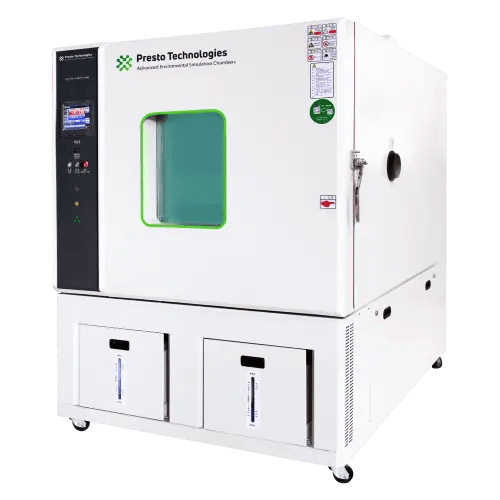
The most reliable rugged display manufacturers maintain comprehensive environmental testing facilities replicating operational conditions. These include thermal chambers, vibration tables, altitude chambers, EMI test chambers, and optical testing laboratories. Manufacturers conducting qualification testing in-house demonstrate deeper understanding of failure modes and design margins than those relying entirely on external test houses.
Design engineers benefit from working with manufacturers who view qualification testing as a learning process rather than mere compliance exercise. The best rugged display suppliers analyze test failures to understand root causes, iterate designs to eliminate vulnerabilities, and conduct testing beyond minimum requirements to ensure adequate margins.
Making the Right Choice
No single rugged display manufacturer optimally serves every application. System integrators must match manufacturer capabilities to program requirements, considering technical specifications, qualification pedigrees, customization needs, lifecycle support requirements, and budget constraints. Successful programs typically result from strong partnerships between knowledgeable buyers and capable suppliers who genuinely understand mission-critical display requirements.
In 2025, the landscape of trustworthy rugged display manufacturers includes established aerospace giants, specialized military contractors, agile mid-tier specialists, and innovative technology companies - each offering distinct value propositions. Procurement managers making informed selection decisions based on comprehensive evaluation criteria rather than price alone position their programs for success across decades of operational service.
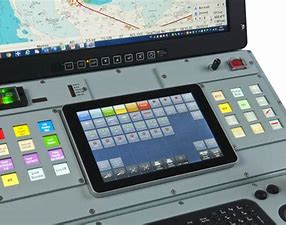
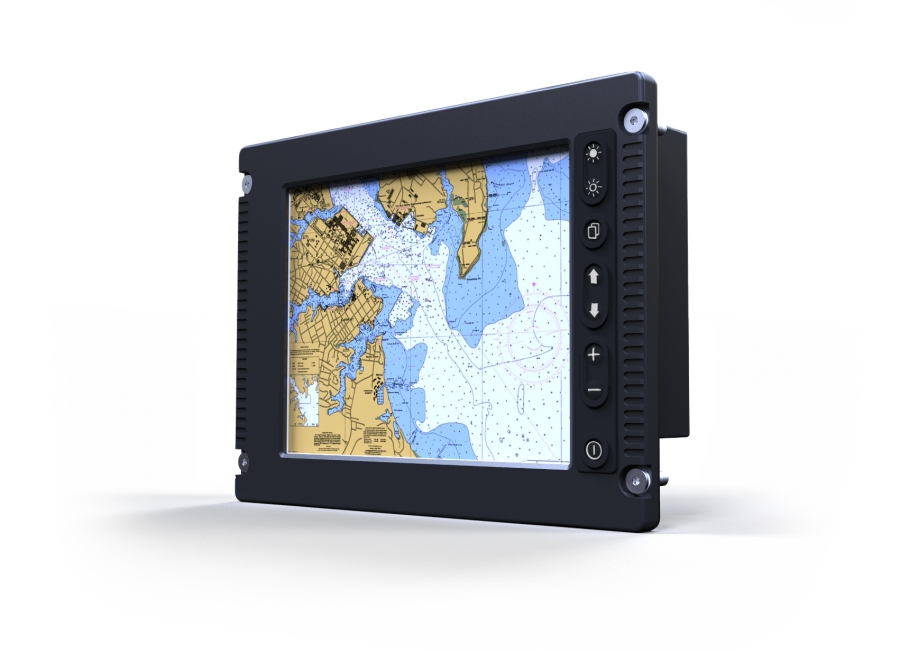
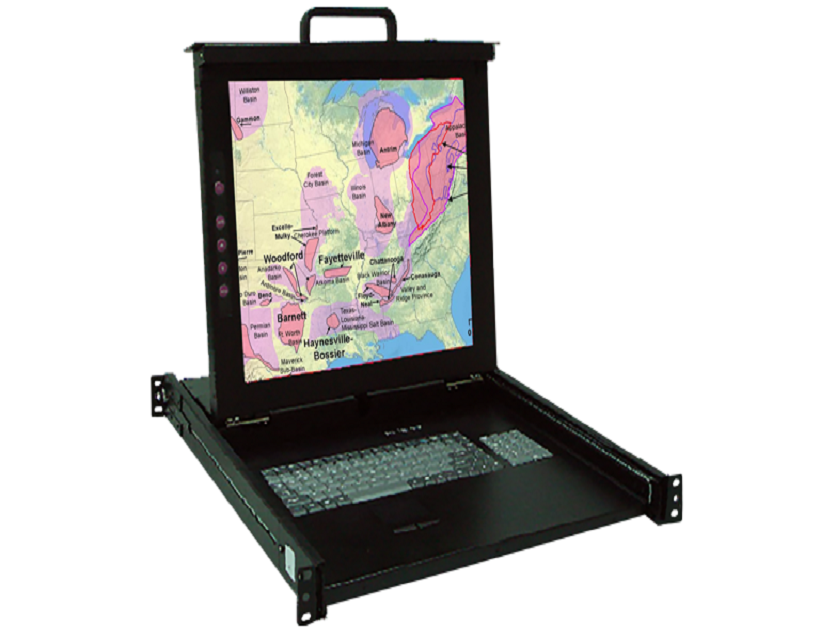
Rugged Display Market Insights 2019, Global and Chinese Scenario is a professional and in-depth study on the current state of the global Rugged Display industry with a focus on the Chinese market.
The report provides key statistics on the market status of the Rugged Display manufacturers and is a valuable source of guidance and direction for companies and individuals interested in the industry.Overall, the report provides an in-depth insight of 2014-2024 global and Chinese Rugged Display market covering all important parameters.The key ponits of the report:The report provides a basic overview of the industry including its definition, applications and manufacturing technology.The report explores the international and Chinese major industry players in detail.
In this part, the report presents the company profile, product specifications, capacity, production value, and 2014-2019 market shares for each company.Through the statistical analysis, the report depicts the global and Chinese total market of Rugged Display industry including capacity, production, production value, cost/profit, supply/demand and Chinese import/export.The total market is further divided by company, by country, and by application/type for the competitive landscape analysis.The report then estimates 2019-2024 market development trends of Rugged Display industry.
Analysis of upstream raw materials, downstream demand, and current market dynamics is also carried out.The report makes some important proposals for a new project of Rugged Display Industry before evaluating its feasibility.There are 3 key segments covered in this report: competitor segment, product type segment, end use/application segment.For competitor segment, the report includes global key players of Rugged Display as well as some small players.
At least 9 companies are included:GETAC TECHNOLOGY CORP. (Taiwan)SPARTON CORP. (US)XPLORE TECHNOLOGIES CORP. (US)ZEBRA TECHNOLOGIES CORP. (US)TrimbleInc.
(US)Report Sample includes:- Table of Contents- List of Tables & Figures- Charts- Research MethodologyGet FREE Sample of this Report at https://www.24marketreports.com/report-sample/global-rugged-display-2019-2024-306For complete companies list, please ask for sample pages.The information for each competitor includes:Company ProfileMain Business InformationSWOT AnalysisSales, Revenue, Price and Gross MarginMarket ShareReasons to Purchase this Report:Estimates 2019-2024 Rugged Display market development trends with the recent trends and SWOT analysisMarket dynamics scenario, along with growth opportunities of the market in the years to comeMarket segmentation analysis including qualitative and quantitative research incorporating the impact of economic and policy aspectsRegional and country level analysis integrating the demand and supply forces that are influencing the growth of the market.Market value (USD Million) and volume (Units Million) data for each segment and sub-segmentCompetitive landscape involving the market share of major players, along with the new projects and strategies adopted by players in the past five yearsComprehensive company profiles covering the product offerings, key financial information, recent developments, SWOT analysis, and strategies employed by the major market players1-year analyst support, along with the data support in excel format.Any special requirements about this report, please let us know and we can provide custom report.Get the Complete Report & TOC athttp://www.24prdesk.com/news/114753/rugged-display-market-forthcomCONTACT US:276 5th Avenue, New York , NY 10001,United StatesInternational: (+1) 646 781 7170Email: help@24marketreports.comFollow Us On linkedin :- https://www.linkedin.com/company/24-market-reports