



If you are still relying on legacy systems to run core operations, you already know the tension. These systems may be stable, familiar, and deeply embedded in your business. At the same time, they struggle to keep up with modern expectations around speed, scalability, security, and user experience.
You are not alone. Many organizations face the same challenge. The question is not whether legacy systems should change, but how to evolve them without breaking what already works.
That is where application modernization services come in. They help you extend the life of existing systems while making them flexible enough to support today’s business demands.
Let’s explore how modernization works, why it matters, and how it creates real value for you.
Why Legacy Systems Start Holding You Back
Legacy systems were often built for a very different world. They were designed when business moved slower, customer expectations were lower, and integration needs were minimal.
Over time, several issues tend to surface:
- Slow performance and limited scalability
- High maintenance costs
- Difficulty integrating with modern tools
- Security vulnerabilities
- Poor user experience
These systems may still function, but they quietly limit growth. Every new feature takes longer. Every integration feels painful. Innovation slows because the foundation cannot support it.
Modern business demands more agility than legacy systems were built to provide.
Modernization Is Not About Starting Over
One of the biggest misconceptions about modernization is that it requires ripping everything out and rebuilding from scratch. In reality, modernization is often about strategic evolution.
Application modernization services focus on preserving what works while improving what does not. You keep valuable business logic, data, and workflows, but update the parts that cause friction.
This approach reduces risk and disruption while unlocking new capabilities.
Read More - Refactor vs Rebuild Legacy Applications: Figuring Out Maximum ROI Decisions
What Application Modernization Actually Involves
Modernization looks different for every organization, but it often includes a mix of approaches such as:
- Refactoring code for better performance
- Replatforming applications to modern infrastructure
- Migrating to cloud-based environments
- Updating outdated user interfaces
- Improving integration through APIs
The goal is not change for its own sake. The goal is to align technology with how your business operates today and where it needs to go next.
Scalability Becomes Built In, Not Bolted On
Legacy systems often struggle under increased load. As your user base grows, performance issues surface quickly.
Modernized applications are designed with scalability in mind. Cloud-native architectures allow systems to scale dynamically based on demand.
For you, this means:
- Faster response times
- Better reliability during peak usage
- Less need for manual intervention
Scalability stops being a constant concern and becomes part of the system’s DNA.
Integration Unlocks Flexibility
Modern businesses rely on ecosystems of tools. CRM platforms, analytics dashboards, automation software, and third-party services all need to communicate.
Legacy systems often operate in isolation, making integration complex and fragile.
Modernization introduces APIs and modular architectures that allow systems to connect smoothly. This flexibility lets you adopt new tools without massive rework.
Your technology stack becomes adaptable instead of restrictive.
Security Improves Without Compromising Stability
Older systems often run on outdated frameworks that no longer receive regular security updates. This creates risk, even if no breach has occurred yet.
Modernization strengthens security by:
- Updating frameworks and dependencies
- Introducing modern authentication methods
- Improving monitoring and logging
- Reducing attack surfaces
You gain stronger protection while maintaining the stability your business relies on.
Performance Gains You Can Actually Feel
Modernized applications are faster. That speed shows up in everyday tasks.
Pages load quicker. Reports generate faster. Transactions complete without lag.
These improvements directly impact productivity. Your team spends less time waiting and more time working.
Customers notice too. Faster systems feel more reliable and trustworthy.
User Experience Is No Longer an Afterthought
Many legacy systems were built for functionality, not usability. Interfaces feel cluttered, unintuitive, or dated.
Modernization creates an opportunity to rethink how users interact with systems. Cleaner interfaces, clearer workflows, and responsive design make a noticeable difference.
When systems are easier to use:
- Training time decreases
- Errors reduce
- Adoption improves
Good user experience is not cosmetic. It affects efficiency and satisfaction every day.
Data Becomes Easier to Use and Trust
Legacy systems often store data in silos, making it difficult to analyze or share.
Modernized applications bring data together in more accessible formats. Reporting becomes simpler. Insights become clearer.
This visibility helps you make better decisions based on real-time information rather than delayed reports.
Supporting Innovation Without Constant Workarounds
Innovation is hard when every change feels risky. Legacy systems often require workarounds that introduce technical debt.
Modernization creates a stable foundation that supports experimentation. New features can be tested, refined, and deployed without destabilizing the entire system.
This freedom encourages continuous improvement rather than fear of change.
Aligning Technology With Business Strategy
Technology should support strategy, not constrain it. Modernization allows systems to evolve alongside business goals.
This alignment becomes even more powerful when paired with AI strategy consulting. Once applications are modernized, they are better positioned to integrate intelligent capabilities.
Predictive analytics, automation, and intelligent decision support become practical options rather than distant ideas.
Phased Modernization Reduces Risk
You do not need to modernize everything at once. A phased approach lets you prioritize high-impact areas and learn along the way.
This incremental strategy allows you to:
- Validate improvements early
- Manage costs effectively
- Minimize operational disruption
Each phase builds confidence and momentum.
Testing Ensures Real-World Success
Modernization is not successful unless users can actually use the system effectively.
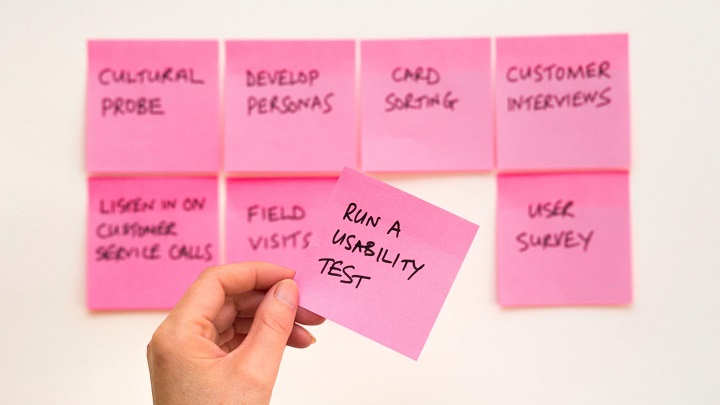
That is why usability testing services play a crucial role. Testing with real users helps identify confusion, friction, and inefficiencies early.
Feedback from testing ensures that modernized systems feel intuitive, not just technically sound.
When users feel comfortable, adoption follows naturally.
Reduced Long-Term Costs
Legacy systems may appear cheaper because they are already built, but maintenance costs tell a different story.
Modernized applications often reduce:
- Infrastructure expenses
- Maintenance overhead
- Downtime costs
While modernization requires investment, it frequently lowers total cost of ownership over time.
Better Support for Remote and Hybrid Work
Modern work environments require access from anywhere. Legacy systems often struggle with remote access and performance.
Modernized applications support web-based access, responsive design, and secure remote connectivity.
Your teams can work efficiently regardless of location.
Vendor Independence and Flexibility
Older systems often lock you into specific vendors or technologies. Modern architectures offer more flexibility.
You gain the ability to:
- Choose best-fit tools
- Switch providers more easily
- Avoid long-term lock-in
This flexibility protects you as technology continues to evolve.
Modernization as a Competitive Advantage
Organizations that modernize early gain an edge. They respond faster to market changes, deliver better experiences, and innovate with confidence.
Legacy systems do not disappear overnight, but they no longer dictate what is possible.
Read More - Application Modernization Roadmap
Conclusion
Application modernization services help legacy systems meet modern business demands by making them faster, safer, more flexible, and easier to use.
You do not lose the value built over years. You enhance it.
Modernization aligns technology with how your business operates today and where it needs to go tomorrow. It turns legacy systems from limitations into foundations for growth.
FAQs
What is application modernization?
It is the process of updating existing applications to improve performance, scalability, security, and usability without rebuilding from scratch.
Do you have to modernize everything at once?
No. Many organizations modernize in phases to reduce risk and manage costs.
How long does modernization take?
Timelines vary depending on complexity, but phased approaches often deliver value within months.
Is modernization only about cloud migration?
No. Cloud is one option, but modernization also includes code refactoring, UI updates, and integration improvements.
How do you ensure users adopt modernized systems?
Clear design, testing with real users, and gradual rollouts help ensure smooth adoption.
If a product is launched after proper usability testing, it will help in attracting more users and make them stick to the website or application, resulting in rise in the business growth.
Usability testing involves actual users while the traditional user experience testing may involve a developer or project manager.
Feedback received from the users are captured and tested to avoid having unsatisfied users after the deployment of application.
Increased user satisfaction resulting in competitive advantage
Increases the level of trust among the users that results in longer and stronger relationships
Updated information should be displayed.
Read Original Blog, Here...