In today’s digital age, we are obsessed with screens. Let’s face it. It can be easy for reading time to take a back seat. But the simple act of sharing books at home remains one of the most powerful ways parents can support their child’s evolution. Reading is excellent for a kid’s imagination and lifelong curiosity. Whether you’re reading with your preschooler or encouraging independent reading in an older kid, it is crucial to create a reading-rich home environment as the benefits extend far beyond literacy alone.
Why Reading at Home Matters
There is no shortage of research on this question. Experts agree that when parents make reading a priority at home, children gain a wide range of cognitive and emotional advantages. There is no replacement for reading! For instance, young children who are read to are exposed to significantly more words than their peers. This helps to expand their vocabulary and builds a strong foundation for literacy success in school and beyond. Early word exposure can prepare them for increasingly complex subjects as they progress through education.
Literacy is only the beginning. Reading at home nurtures critical thinking and boosts comprehension. By encouraging your kid to be a strong reader, you’re setting the path for them to have all the essential ingredients necessary for academic achievement across subjects. When children engage with different types of books, they start to understand how ideas connect. Being told stories at a young age helps spark the imagination in unexpected ways and helps your kid get acquainted with how language works.
Reading helps with emotional growth just as much as it helps with skill-building and academic success. Books allow children to explore feelings and perspectives of characters from different backgrounds and walks of life, fostering empathy and emotional intelligence in ways very few other activities are able to.
Making Reading a Joyful Routine
One of the keys to encouraging lifelong reading is to make the experience enjoyable for a kid. Children are going to be more likely to develop a love of reading when it’s associated with the good things: comfort and connection. Do not make reading a chore for your child, or you risk this whole process backfiring. Kids respond way better to positive reinforcement, and because the benefits of reading are incalculable, it’s best to do everything in your power to get them on board in a joyful way.
You can do this by creating cozy reading spaces at home. Sometimes, designating a little nook in your space that has nice lighting, pillows and blankets, and an inspired collection of fun books sweetens the deal. Make sure the books available for your kid match their interests. If they are into marine life, check out some library books on the subject. Let them have a say in what books are available to them. Involving them in the process is a way to build ownership and motivation.
It’s important to be consistent. Try reading together with your kid and get into character! Don’t be shy when you’re reading aloud; read with expression and enthusiasm. Afterwards, have a discussion about what you read and ask poignant questions that can open their minds even more fully.
Integrating Literacy
The greatest thing about reading? It doesn’t stop at storytime. You’ll find that you can turn everyday moments into opportunities by encouraging your child to read off menus or recipes or even road signs on a car ride. Get them involved as often as possible by having them read the rules of the next game your family plays together. Reading is useful everywhere, and when kids start to see that, they realize the endless doors being a reader can open for them. This alone provides your kid with an incentive and makes reading feel dynamic and valuable.
Supporting Handwriting Through Literacy
Reading and writing skills often evolve hand-in-hand. As children engage with the written word, they absorb sentence structure and vocabulary. These are skills that can help them to communicate more efficiently and confidently in writing. Tools that focus on fine motor and writing development can support this connection between reading and written expression. For example, programs like Size Matters Handwriting gives kids the targeted practice they need to build comfortable and readable writing skills by linking reading comprehension with written communication.
The Importance of Community
Parents, you are not alone in this journey. There exists a wealth of resources out there that celebrate reading at home and offer fresh ideas on how to make your child love reading. Whether it’s through cozy reading corners or lively discussions about stories, the habits you establish today can blossom into curiosity, empathy, and a vibrant world of ideas for your child for years to come. Reading at home isn’t just educational… It's transformative.




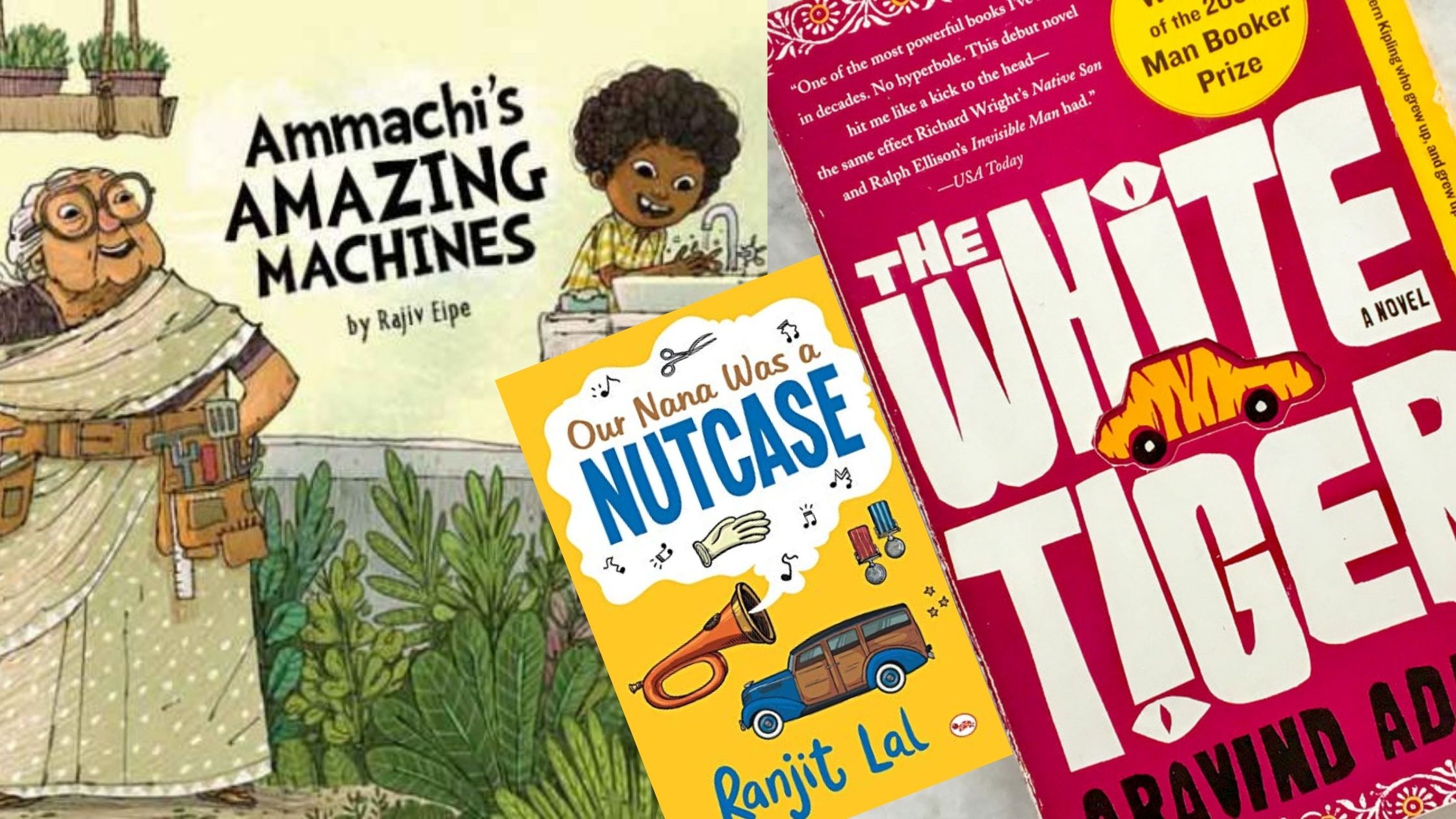
There are a lot of popular books available by famous Indian Authors that deserve to be read by your kids —and— you can try as well.
But below are some best 3 storybooks that are recommended for kids by one of the best CBSE schools in Delhi.
This is the perfect time to explore these genres as all your kids are attempting online schooling during the pandemic.The White Tiger - Novel by Aravind AdigaA novel of modern India comes in the New York Times bestseller list.
Writer Adiga itself says his novel endeavor to catch the voice of the men you meet as you travel India.
Kids would enjoy reading The white Tiger as it's interesting and teaches a lot of moral values that are localized to our culture and tradition.Ammachi's Amazing Machines - Written by Rajiv EipeThis book, at its heart, is a great STEM book for its presentation of the concepts of tools being used in real life.
Read this book with your kids as its concept come to life in painstaking detail as Sooraj and his Ammachi (South Indian word for grandmother) set out to make Coconut Burfis together.