




Introduction: Why a Pilates Class Matters in Daily Life
A Pilates Class is often seen as a gentle workout, but its real value shows up outside the studio. From the way you sit at your desk to how you bend down to tie your shoes, everyday movement depends on strength, balance, and body awareness. Many people only notice poor posture or stiffness when discomfort starts to interfere with daily tasks. This is where a regular Pilates Class can make a meaningful difference.
Rather than focusing on intense effort or fast-paced routines, Pilates works on steady control and thoughtful movement. Over time, this approach helps people move with more ease, stand taller, and feel more comfortable in their bodies throughout the day.
Understanding Everyday Movement and Posture
What Is Everyday Movement?
Everyday movement includes all the small actions we repeat without thinking. Sitting, standing, walking, reaching overhead, lifting groceries, or getting out of bed all fall into this category. These actions rely on a mix of strength, flexibility, and coordination.
When certain muscles are weak or others are doing too much work, the body starts to compensate. This often leads to slouching, stiffness, or tension in areas like the neck, shoulders, and lower back.
Why Posture Plays a Big Role?
Posture is not about standing perfectly still or holding yourself rigid. It’s about how your body stacks itself while moving or resting. Good posture allows muscles and joints to share the workload evenly.
Poor posture, on the other hand, can place extra strain on certain areas. Over time, this may lead to discomfort, fatigue, or reduced movement range. A Pilates Class helps people notice these patterns and gently work toward better alignment.
How a Pilates Class Supports Better Movement
Focus on Core Support
One of the main elements of a Pilates Class is core work. The core includes more than just the stomach muscles. It also involves the muscles around the spine, hips, and pelvis.
By strengthening these areas, Pilates provides a stable base for movement. This support helps with simple actions like standing up from a chair or carrying shopping bags without strain.
Improved Body Awareness
Pilates encourages people to slow down and pay attention to how they move. This awareness often carries into daily life. You may notice when you’re slouching at your desk or favouring one side of your body.
With regular practice, these small corrections start to happen naturally, without constant effort.
Balanced Muscle Use
Many daily habits involve repeating the same movements. Sitting for long hours or using one side of the body more than the other can lead to muscle imbalance.
A Pilates Class works the body evenly. Exercises are designed to engage both sides and support smoother, more balanced movement patterns.
The Link Between Pilates and Better Posture
Supporting the Spine
Pilates places strong attention on spinal alignment. Exercises often guide the spine through gentle movements that build strength while keeping it supported.
This can help reduce the tendency to collapse through the chest or arch excessively through the lower back. Over time, people often find it easier to sit and stand with less effort.
Shoulder and Neck Comfort
Poor posture often shows up in the shoulders and neck. Rounded shoulders and a forward head position are common, especially for people who work at a desk.
A Pilates Class includes movements that support the muscles around the shoulders and upper back. This helps the chest open naturally and reduces unnecessary tension in the neck.
Pelvic Alignment and Stability
Posture also depends on what’s happening lower down. The position of the pelvis affects the entire spine.
Pilates exercises often bring attention to pelvic control, which can improve how the body holds itself during standing and walking.
Benefits of a Pilates Class for Daily Life
Easier Movement Throughout the Day
Many people notice that everyday tasks start to feel smoother after attending Pilates regularly. Getting out of bed, reaching overhead, or bending down can feel less awkward or stiff.
This ease comes from better coordination and muscle support, not from pushing the body harder.
Reduced Aches and Tension
While Pilates is not a medical treatment, many people find that regular classes help reduce common aches linked to posture and movement habits.
By strengthening supportive muscles and encouraging better alignment, the body can move with less strain.
Support for Desk-Based Work
For those who spend long hours sitting, a Pilates Class can be especially helpful. It encourages movement in areas that often become stiff, such as the hips, spine, and shoulders.
This can make it easier to maintain a comfortable sitting position during the workday.
Better Balance and Control
Pilates also supports balance, which plays a role in everyday safety. Simple actions like walking on uneven ground or climbing stairs rely on good balance and coordination.
Over time, Pilates can help people feel more steady and confident in these situations.
Real-World Examples of Pilates in Daily Movement
Sitting and Standing
After attending Pilates regularly, many people notice they no longer collapse into their chairs. Instead, they sit with a sense of light support through the spine.
Standing up from a seated position can also feel more controlled, as the legs and core work together rather than relying on momentum.
Walking and Carrying Items
Walking posture often improves with Pilates practice. The body feels more upright without feeling stiff, and steps can feel more balanced.
Carrying items like shopping bags may also feel easier as the body learns to share the load rather than overworking the arms or shoulders.
Reaching and Lifting
Pilates encourages safe movement patterns for reaching and lifting. This can be useful for daily tasks like placing items on shelves or lifting light objects at home.
By keeping the body aligned and supported, these movements feel more natural.
Practical Tips to Get the Most From a Pilates Class
Start at a Comfortable Level
If you’re new to Pilates, it’s important to start at a level that feels manageable. Pilates is not about rushing or pushing through discomfort.
A steady approach allows the body to build strength and awareness safely.
Be Consistent
Like most movement practices, consistency matters. Attending a Pilates Class once in a while may feel good, but regular sessions bring lasting changes to posture and movement.
Even one or two classes a week can make a difference over time.
Apply What You Learn Outside the Studio
Pay attention to cues from your instructor and notice how they apply to daily life. Simple reminders about posture or breathing can be used while sitting, standing, or walking.
This connection between class and daily movement is where much of the benefit lies.
Listen to Your Body
Pilates encourages listening to how your body feels. If something doesn’t feel right, it’s okay to adjust or rest.
This respectful approach supports long-term comfort and confidence in movement.
Who Can Benefit From a Pilates Class?
A Pilates Class can suit a wide range of people. Beginners, office workers, parents, and older adults often find it helpful for daily comfort and posture awareness.
Because movements are controlled and adaptable, Pilates can meet people where they are, regardless of fitness background.
Conclusion: Small Changes That Add Up
A Pilates Class supports everyday movement and posture in quiet but meaningful ways. By focusing on control, balance, and awareness, Pilates helps the body move more comfortably during daily tasks.
Rather than aiming for dramatic change, Pilates builds steady habits that support how you sit, stand, walk, and move through life. Over time, these small changes can add up to greater comfort and confidence in everyday movement.
FAQs: Pilates Class and Everyday Movement
1. Is a Pilates Class suitable for beginners?
- Yes, Pilates is often suitable for beginners. Classes usually focus on controlled movements and can be adjusted to suit different comfort levels.
2. How often should I attend a Pilates Class for posture support?
- Many people find that one to two classes per week helps improve posture and movement over time.
3. Can Pilates help with sitting posture at work?
- A Pilates Class can support better sitting posture by strengthening the muscles that support the spine and shoulders.
4. Will Pilates make everyday tasks easier?
- Over time, Pilates can help everyday tasks feel smoother by improving balance, strength, and body awareness.
5. Do I need to be flexible to join a Pilates Class?
- No, flexibility is not required to start. Pilates works on strength and movement control, and flexibility often improves gradually with practice.
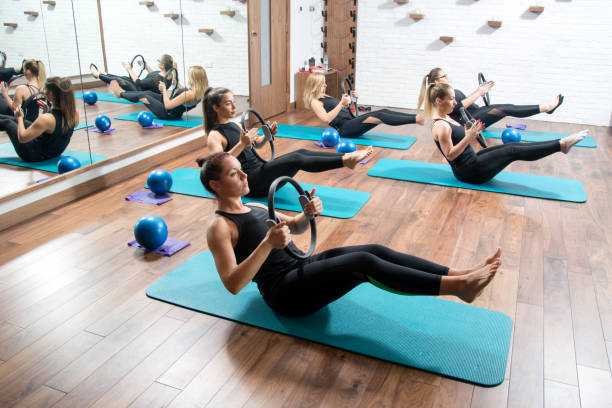
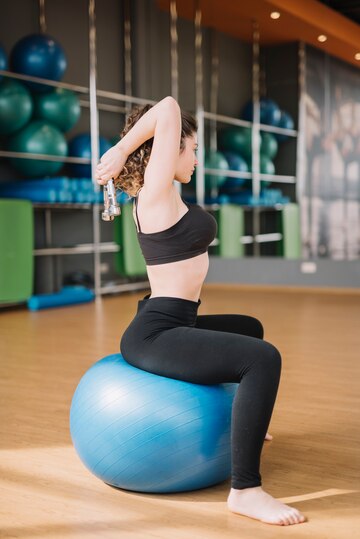
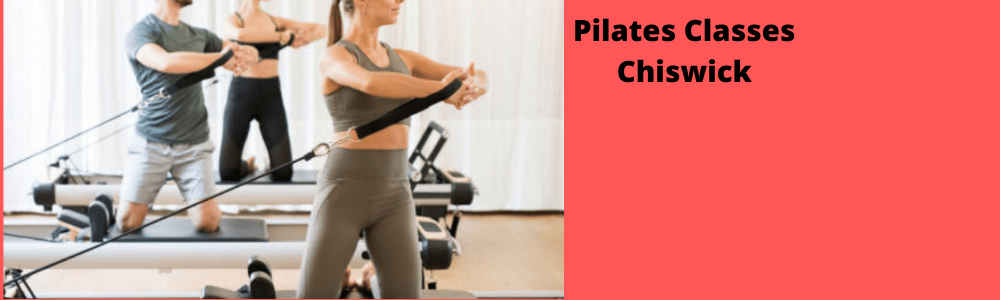
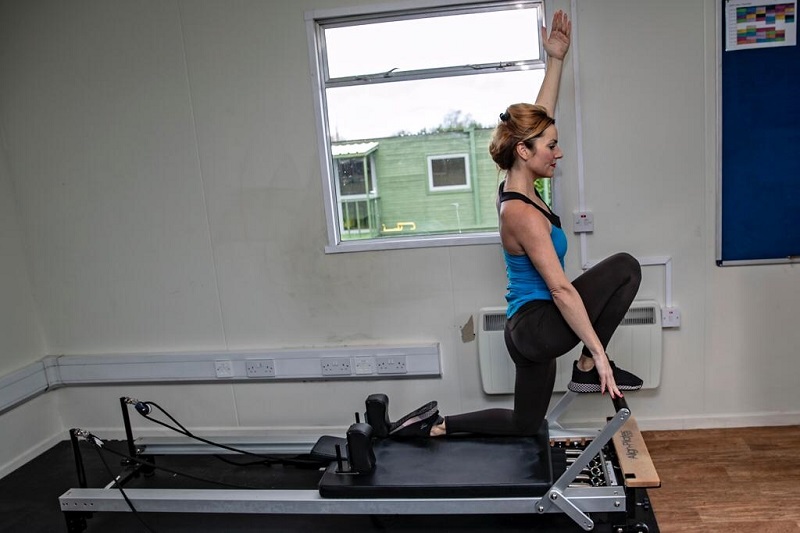
Pilates Centre in Gurgaon improve your flexibility, increase your muscular strength, and endurance movements.
Pilates exercise target your core strength to improve your fitness.
It is done on mat and also on special machines like Reformer, Wunda chair, Cadillac and many more.