





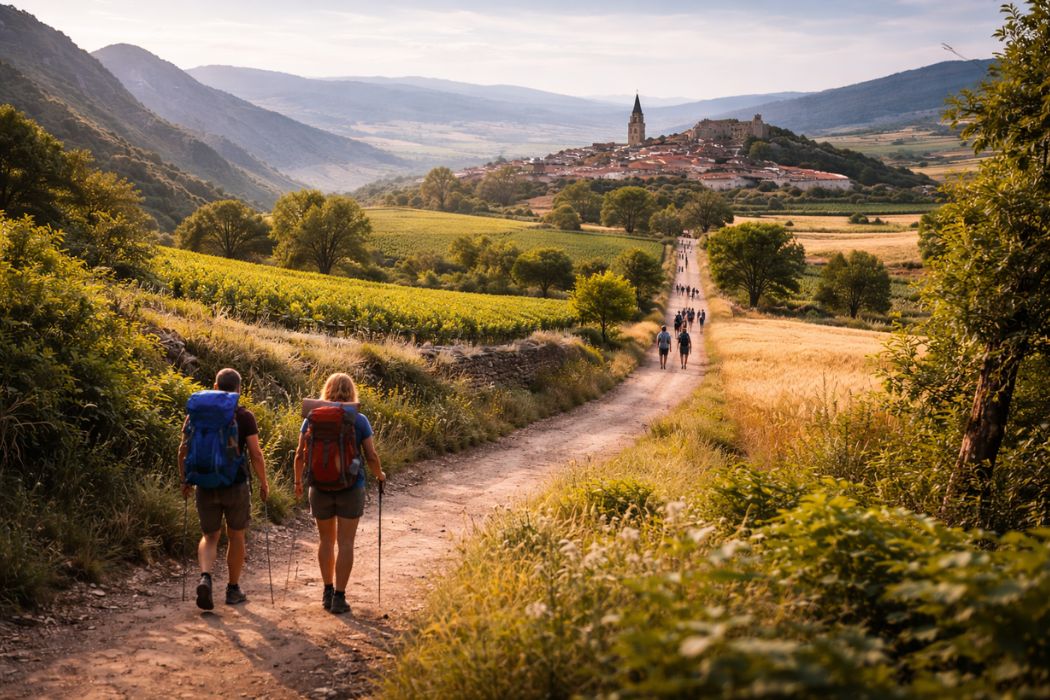
The Camino Francés is not a single landscape or a single mood. It is a long, changing walk that carries travelers through mountains, farmland, open plains, and towns shaped by centuries of passing footsteps. Each section feels distinct, yet the route flows naturally from one setting to the next. That steady change is what keeps walkers engaged, curious, and grounded from the first day to the last.
Crossing the Mountains at the Start
For many, the journey begins with a demanding mountain crossing through the Pyrenees. The air is cooler, the climbs are steep, and the path demands focus. This opening stretch sets expectations early. Walking here teaches patience and respect for the terrain. Weather can shift quickly, and the effort required reminds travelers that the Camino is not rushed travel. The reward comes in wide views, quiet trails, and a strong sense of arrival once Spain opens up ahead.
Rolling Hills and Green Valleys
After the mountains, the path eases into rolling hills, vineyards, and farmland. Days become more predictable, and the walking rhythm settles in. Morning departures feel calm, often marked by church bells and café doors opening. Small villages appear regularly, offering places to rest, eat, and talk with other walkers. This section balances effort with comfort and is often where people begin to feel truly settled into life on the route.
Towns Built by Pilgrims
Historic towns are a defining feature of the Camino Francés. Stone bridges, narrow streets, and old plazas tell the story of centuries of travel. Many towns grew around the route itself, shaped by the needs of pilgrims moving west. Walking through these places is not like visiting a museum. Daily life continues alongside the trail. Locals head to work, markets open, and cafés fill with conversation. These towns invite walkers to slow down, explore, and sometimes take a rest day to recover and reflect.
The Meseta and the Power of Simplicity
The Meseta is often misunderstood. This long stretch of open plains is flatter and more exposed than earlier sections. The scenery is wide and simple, with farmland stretching to the horizon. While some find it challenging, many walkers come to appreciate its quiet consistency. The steady pace encourages reflection. Without constant scenery changes, attention turns inward. Days are shaped by walking, eating, resting, and repeating. For many, this is where the Camino becomes deeply personal.
Life in Small Villages
Beyond the larger towns, the route passes through small villages that feel largely untouched by time. Meals are simple, conversations are easy, and evenings are quiet. These stops may seem modest, but they often leave the strongest impressions. Shared dinners, early bedtimes, and friendly greetings create a sense of connection that feels natural rather than forced. It is here that strangers become familiar faces, and walking companions begin to feel like a temporary community.
Entering Galicia
As the route moves west, the landscape changes again. Hills return, paths narrow, and forests provide shade. The air feels cooler, and stone buildings become more common. Galicia brings a renewed sense of energy, even as legs grow tired. The scenery feels closer and more intimate. Villages appear more frequently, and the finish no longer feels distant, though each day still asks for steady effort.
The Final Days to Santiago
The final approach to Santiago de Compostela carries a mix of excitement and reflection. The number of walkers increases, and conversations turn toward journeys completed and lessons learned. Each step feels heavier with meaning. Reaching the city is less about celebration and more about quiet acknowledgment. The Camino ends, but its influence often continues long after the walking stops.
A Route Shaped by Land and History
The Camino Francés is defined by its variety. Mountains test resolve, plains encourage patience, and towns offer rest and connection. Together, they form a route that feels balanced and honest. It does not try to impress quickly. Instead, it stays with you through repetition, routine, and shared experience. For those willing to walk at its pace, the Camino offers something lasting, shaped as much by the land as by the people who walk it.
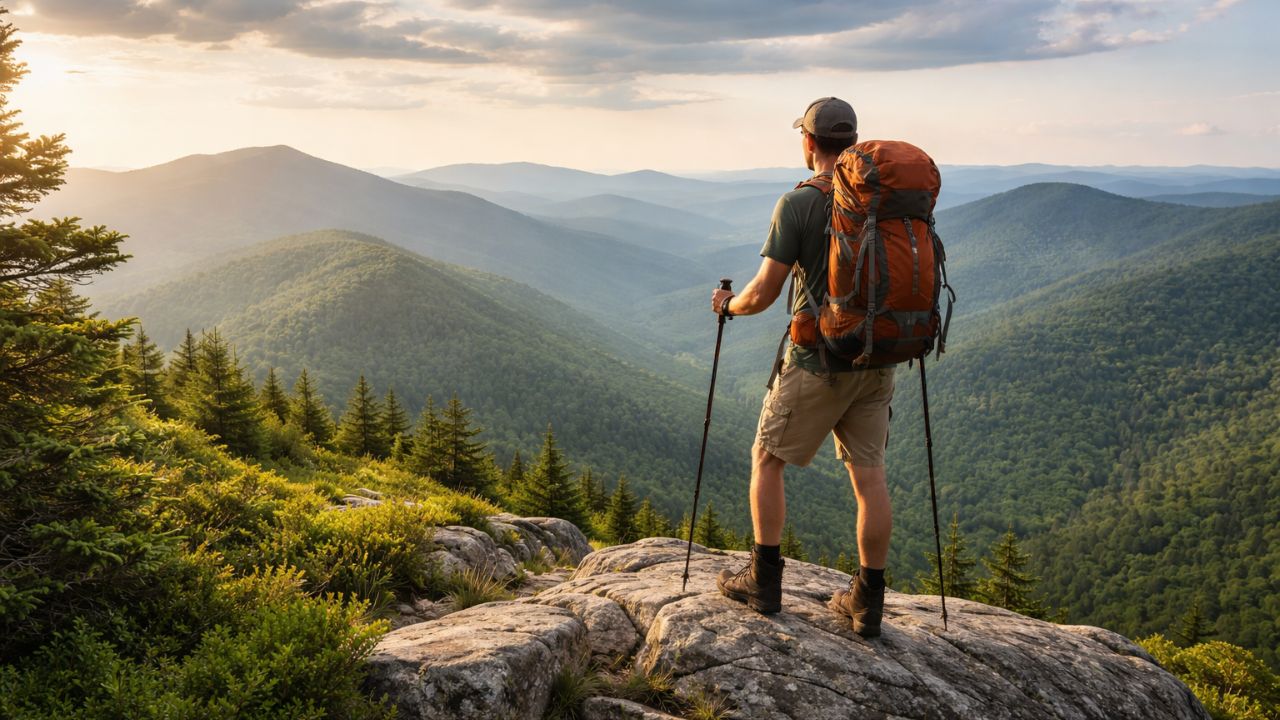



Walking stick wooden should be stable and firm.
Else it can create pressure on the user’s limbs.
They can even fall, and it can damage their body posture.
Elderly people, people with knee and hip problems, Spine issues can use a walking stick to suit their needs.
This will reduce the load on their body muscles.

It’s not at all bad to start your own dog walking business.
Actually, it is one of the most trending small businesses that can make earn a lot more than your expectation.
First of all, find out that how much is the demand for dog walker within your area as well as the numbers of dog walking service provider too.
To know a better place for starting an uber for dog walking business consider consulting the local pet store owners as well as the pet doctor too.
Through these many sources, you will achieve enough information for acknowledging an area for commencing your dog walking business.
Volunteer yourself or take a dog training course, it will give you a perfect idea about keeping the dog under controlled.