





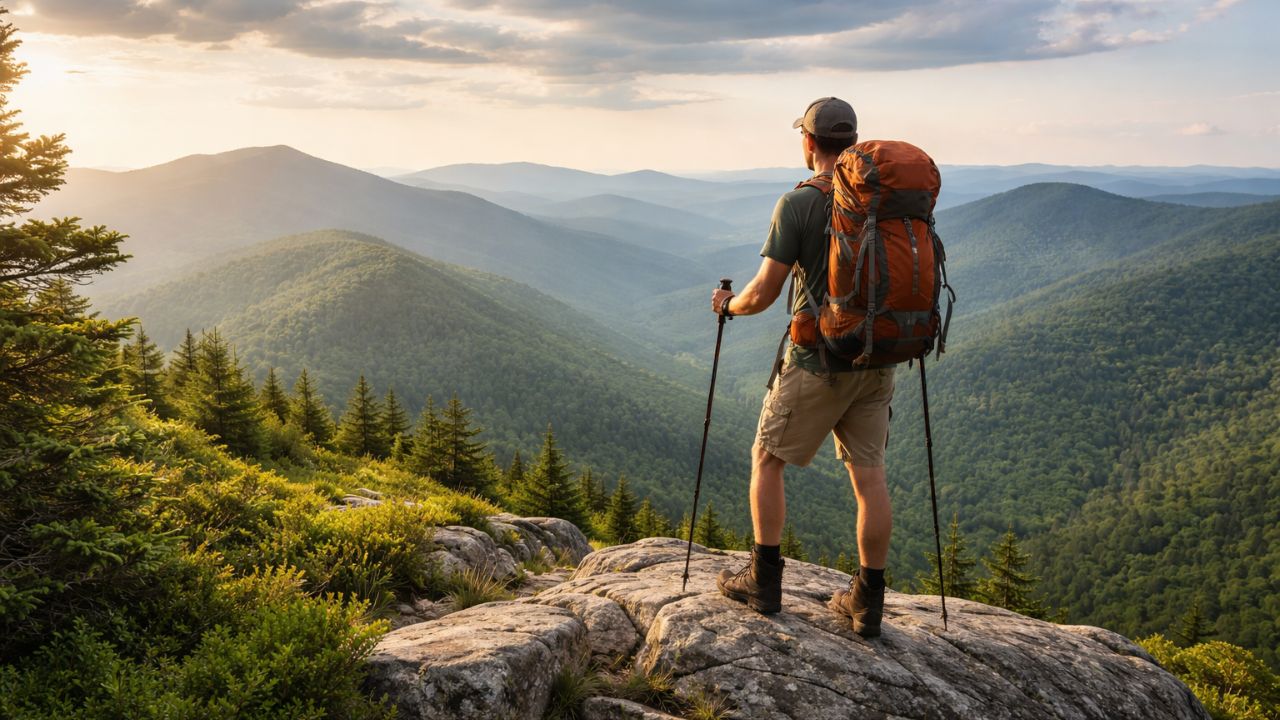
The Long Trail Challenge is more than a hiking goal. It is a commitment to walk a historic footpath that runs the length of Vermont and cuts straight through the heart of the Green Mountains. Stretching from Massachusetts to the Canadian border, this trail asks for patience, strength, and respect for the land. For hikers who value solitude, rugged terrain, and a deep connection with nature, this challenge offers an experience that feels earned, not handed out.
Why the Long Trail Still Matters Today
Completed in 1930, the Long Trail holds a unique place in American hiking history. It was the first long-distance trail in the United States, and its success helped inspire the creation of other iconic routes, including the Appalachian Trail. Even now, decades later, it remains a working trail maintained by volunteers who care deeply about its future.
What keeps the trail relevant is not nostalgia alone. It is the way the route forces hikers to slow down and engage with their surroundings. There are no shortcuts here. The mountains demand attention, the weather requires respect, and the terrain keeps even experienced hikers humble. Walking this trail is as much about honoring a legacy as it is about personal challenge.
What Makes the Long Trail Challenge Unique
Unlike many long-distance hikes, the Long Trail wastes little time easing hikers in. From the earliest miles, the path climbs steeply, drops sharply, and repeats the pattern day after day. This constant change builds endurance quickly and exposes weaknesses just as fast.
Several factors set this challenge apart:
- Frequent elevation changes with limited flat walking
- Long stretches without towns or easy resupply
- Narrow, rocky tread that tests balance and focus
- A strong sense of solitude, especially in the northern sections
This is not a trail built for speed. It rewards steady pacing, careful foot placement, and an ability to adapt when plans change.
Long Trail Challenge Route Overview and Key Sections
The Long Trail Challenge covers roughly 270 miles through Vermont’s Green Mountains. While it shares a path with the Appalachian Trail in the southern portion, the two split near central Vermont, and the character of the hike changes noticeably after that point.
Southern Vermont offers more forgiving terrain, frequent shelters, and easier access to towns. As hikers move north, the trail becomes steeper, more remote, and less predictable. Peaks like Mount Mansfield and Camel’s Hump deliver stunning views, but they also bring exposure to wind and fast-moving weather.
Shelters and campsites are spaced regularly, yet distances between services grow in the northern half. Planning food carries and water stops becomes more important as the hike progresses.
Best Time to Take on the Trail
Timing plays a major role in how enjoyable and safe this hike feels. Late spring often brings mud and lingering snow at higher elevations. Summer offers longer daylight hours and more predictable conditions, but heat and humidity can be draining.
Early fall is a favorite for many hikers. Cooler temperatures, fewer insects, and changing foliage create memorable days on the trail. However, daylight shortens quickly, and cold nights arrive sooner than expected. No matter the season, weather can change rapidly, making flexibility essential.
Preparing Your Body and Mind
Physical preparation helps, but mental readiness often matters more. The Long Trail is demanding in ways that are hard to replicate during training. Steep climbs arrive when legs already feel tired. Slick rocks test patience. Rainy days challenge motivation.
Effective preparation includes:
- Training on hills and uneven ground
- Learning to pace conservatively early on
- Accepting slower days without frustration
- Building comfort with solitude and quiet
Those who succeed are usually not the fastest hikers, but the most consistent ones.
Gear Choices That Matter on This Trail
Smart gear decisions can make long days more manageable. Footwear with strong grip is essential due to frequent rocks and roots. Lightweight layers help hikers adjust to temperature swings without stopping constantly.
Navigation tools with offline access are useful, especially in remote sections. Food planning deserves attention as well, since long carries are common and energy demands stay high throughout the hike.
Rather than chasing the newest equipment, hikers benefit most from gear they already trust and know how to use.
Trail Etiquette and Safety
The Long Trail relies heavily on shared responsibility. Shelters are communal spaces where respect goes a long way. Keeping noise low, sharing limited space, and following Leave No Trace principles protect both the experience and the environment.
Safety means more than avoiding injury. Watching weather forecasts, recognizing signs of exhaustion, and knowing when to stop early can prevent small issues from becoming serious problems. The mountains are unforgiving to those who ignore warning signs.
Staying Motivated and Tracking Progress
Long-distance hikes test motivation as much as endurance. Many hikers find that tracking progress helps maintain focus and accountability. Breaking the trail into smaller goals makes the overall distance feel more manageable.
Some walkers choose to log their miles and milestones through platforms designed for structured hiking goals. Joining the Long Trail walking challenge online can provide a sense of direction and community without taking away from the personal nature of the hike.
Is This Challenge Right for You
This trail suits hikers who enjoy physical effort, problem-solving, and time alone. It may not appeal to those who prefer gentle terrain or frequent town stops. Section hiking is a practical option for people who cannot commit to the full route at once but still want to experience its character.
Being honest about expectations helps prevent disappointment. The trail does not promise comfort, but it does offer clarity and accomplishment to those willing to meet it on its terms.
Take the Next Step
If this challenge speaks to you, consider planning your journey with intention and structure. Exploring the Long Trail Challenge through WyldWalk can help you set clear goals, track progress, and stay motivated while keeping the focus on the trail itself.
Conclusion
Completing the Long Trail Challenge is not about finishing fast or proving anything to others. It is about showing up day after day, adapting to the mountains, and earning every mile walked. For hikers who value purpose over comfort, this trail delivers an experience that stays with them long after the final summit. WyldWalk supports that journey by helping hikers stay connected to their goals while respecting the quiet power of the trail.
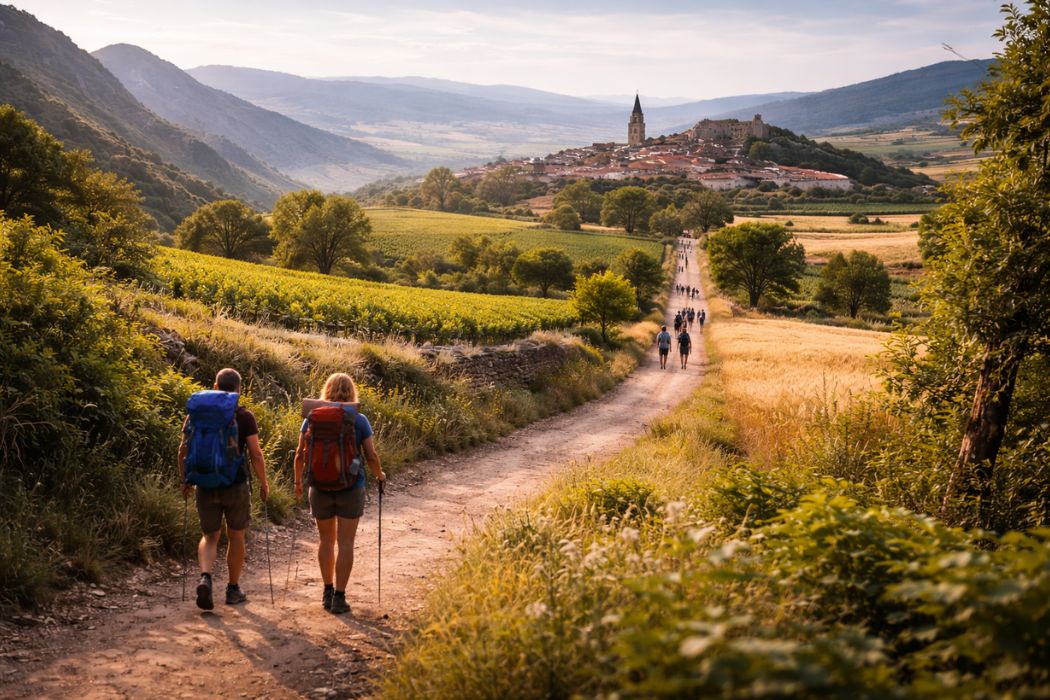


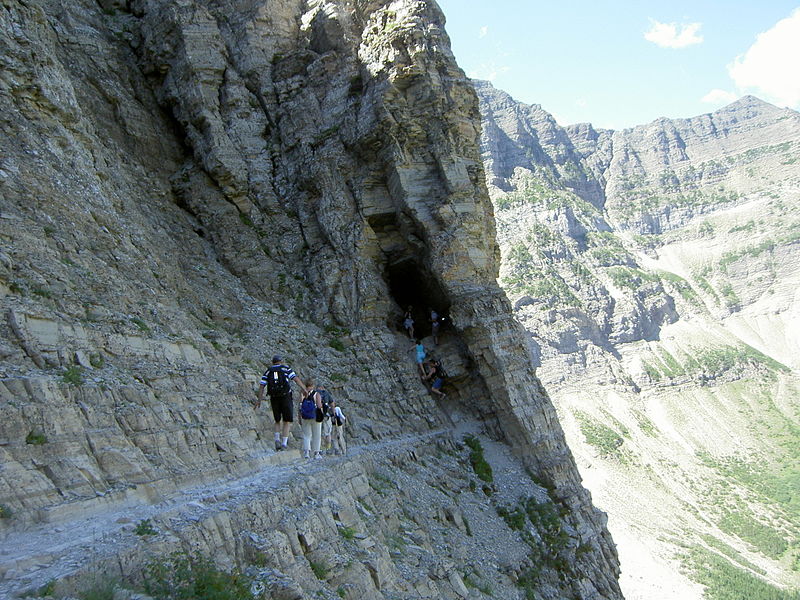
The support and motivation obtained from the group will help you in those times when you might think of packing up leaving.
Actually, even when you are hiking on Waterton hikes trails you are used to, it does not hurt to bring at least one person along as this is a natural deterrent to anyone along the trail that may be lurking with ill intent.For More Click on Here

How to Start a Dog Training BusinessAs much as we grow up accepting that beginning a business is a confounding issue, actually with regards to dog training, it is conceivable to begin without huge ventures and have a decent outcome.Regardless of whether you don't have information in the field yet, you can put resources into preliminary courses, get a specialist and make a move by offering quality assistance to your customer base.What you cannot deny is that the quality of individuals searching for a dog training organization is expanding a great deal nowadays!This can be a great occasion to begin something of your own in your city and in the wake of perusing this total guide that I made, it will be a lot simpler to make the thought materialize.Peruse on and comprehend all you require to begin a dog training business and start the existence change you need to such an extent!The most effective method to Start a Dog Training Company: 6 Simple and Practical Steps# 1 - Invest in your trainingThe main thing you should illuminate is the interest in your professionalization in the territory!
You must be a decent expert to bring in cash with dog training, if not, there is no place to begin.There are many fascinating courses nowadays, however, the curiosity is that you can complete practice on the Internet.
By and large, this kind of administration is polished independently and what you will require most is a recreation center or a square to prepare dogs.Obviously, in the event that you like, you can lease a space that isn't too huge to possibly be ready to prepare with the creatures.There are even a few circumstances where training is finished with the dog housed with the coach.
On the off chance that you need to put resources into this kind of approach, you will require space for it.So before you consider an area, consider how you need to work.
Toward the starting, it is generally excellent to do it freely and setting up your "office" at home.Gradually you can put resources into the actual structure.
Consider it.# 3 - Build a group of qualified expertsIndeed, you can begin this business working alone, however, the thought here is to offer such fantastic help that it makes individuals become hopelessly enamored and make individuals insane.That is the reason once your business begins to develop and feel sought after, you won't have the option to deal with your clients alone!
Benefits of hiking with your dog(NYC Dog Hiking)If during the summer we encouraged you to go to the beach with your dog, now that autumn has come into your life, what we recommend is that you walk with him through the forest and the mountains, a perfect plan for lovers of animals and nature, and very beneficial for the animal, since it can behave as it truly is.To convince you that hiking in the company of your dog is a fantastic idea, today at Animal Mascota we are going to talk to you about all the benefits of this activity.
Would you like to join us?Improve the dog-owner relationshipThe first thing you should know is that walking with the dog in nature is very beneficial to improve the animal-owner relationship, among other things because this activity allows the owner to get to know his pet better.
And it is that in no other place the dogs will show better what they really are.Interact with other animalsHiking with the dog is the perfect opportunity for the dog to interact freely with other animals.
This helps them improve their socialization.
Of course, in the mountains and in the woods, your pet will be able to run at his leisure and track discovering new smells without worrying about cars or other dangers that we find in the city.Prevent obesity and anxiety in dogsIt is also important that you keep in mind that walking the dog in the mountains can be very useful to prevent obesity in the animal, which can have very negative consequences on its health, such as arthritis or cardiovascular problems .
On the other hand, you should know that it is also very beneficial to avoid problems such as hyperactivity or anxiety, since this activity allows you to enjoy a mental balance.