Understanding the Purpose of Filters in Electronics
Electronic systems operate within a defined frequency range and signal spectrum. When unwanted interference or noise enters the circuit, it can disrupt performance or even cause failure. This is where filters step in—specialised components that manage and shape signal flow to ensure optimal functionality.
Filters are used to control frequency content in electrical signals. By allowing specific frequencies to pass while rejecting others, they help systems perform more accurately, securely, and efficiently.
What Makes Filters Crucial in Circuit Design?
Every electronic system is exposed to a mix of signals, including noise and interference. Without filters, these disturbances would degrade signal quality and system reliability. Filters help in:
- Controlling the bandwidth of communication signals
- Preventing harmonic distortion in power systems
- Eliminating frequency overlap in audio and video circuits
- Improving the signal-to-noise ratio in sensitive applications
- Ensuring voltage regulation in power delivery systems
They are essential in environments where precision and signal clarity are non-negotiable.
Types of Filters Used in Electronic Applications
Filters are classified by their frequency behaviour, making each type suitable for specific roles. Here’s a breakdown of the primary categories:
Low-Pass Filters
These filters allow frequencies below a selected cutoff to pass while suppressing those above it. Typical uses include:
- Audio amplifiers to block treble or hiss
- Signal conditioning circuits in measurement devices
- Power converters to deliver a stable voltage
High-Pass Filters
Designed to block low-frequency components and pass high-frequency ones, high-pass filters are essential for:
- Removing low-frequency drift in sensor signals
- Sharpening images in video systems
- Filtering bass sounds in audio equipment
Band-Pass Filters
These filters pass only a narrow range of frequencies. Commonly used in:
- Wireless transmitters and receivers
- RF identification systems
- Biomedical equipment for heartbeat and brainwave analysis
Band-Stop Filters
Also known as band-reject or notch filters, they eliminate a narrow band of frequencies while letting the rest pass. They serve applications like:
- Cancelling power line interference in audio
- Suppressing spurious signals in radio transmitters
- Cleaning up test equipment outputs
Passive and Active Filters: Key Differences
Filters can be built with passive or active components, each offering distinct advantages based on application needs.
Passive Filters
These circuits consist of resistors, capacitors, and inductors. Features include:
- No external power required
- Higher power handling in RF and power circuits
- Simpler design and lower cost
- Limited control over signal gain
Active Filters
Incorporating components like operational amplifiers and transistors, active filters provide:
- Signal amplification and buffering
- Precise frequency response control
- No inductors required, making them compact
- Dependency on external power sources
The decision between passive and active options depends on size, power, and performance requirements.
Components That Enable Filter Functionality
The performance is strongly influenced by their internal components. These include:
- Capacitors, which store energy and respond to frequency changes
- Inductors, which resist current changes and block high-frequency signals
- Resistors, which manage current flow and shape timing responses
- Op-amps, used in active filters to control gain and refine signal filtering
Each component contributes to the circuit’s behaviour, allowing designers to fine-tune signal paths.
Where Are Filters Applied?
Filters are integrated into countless devices across industries. Here are just a few areas where they’re indispensable:
- Audio electronics: Enhancing tone clarity and removing background noise
- Power supplies: Smoothing output and preventing voltage spikes
- Medical diagnostics: Filtering out physiological artefacts from ECG or EEG signals
- Aerospace systems: Maintaining signal stability in radar and navigation equipment
- Data communication: Reducing cross-talk and interference in network hardware
From personal gadgets to mission-critical systems, filters are fundamental to smooth and safe operation.
Innovations in Filter Design and Technology
As devices become smaller and smarter, filter technology is evolving to keep pace. Some recent advancements include:
- Micro-fabricated filters for smartphones and wearables
- Reconfigurable digital filters embedded in programmable logic
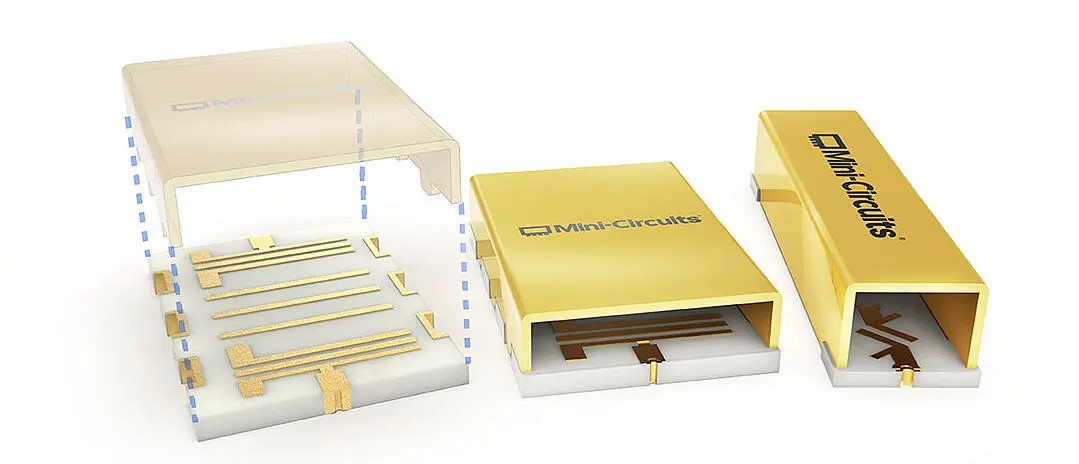
- Integrated passive devices (IPDs) combining filters into compact semiconductor packages
- AI-assisted signal filtering for adaptive tuning in real time
These innovations help filters meet new demands in bandwidth, efficiency, and miniaturisation.
Choosing the Right Filter for the Right Application
Every application demands a specific filtering approach. When selecting filters, engineers consider:
- Frequency range and cutoff points
- Load impedance and matching
- Filter topology (Butterworth, Chebyshev, etc.)
- Size and form factor
- System power requirements
Matching the right filter to the circuit ensures peak performance and longevity.
Final Thoughts
Filters are invisible heroes behind the scenes of nearly every electronic system. They protect signals, shape frequencies, and support precision in countless industries. As electronics continue to advance, filters will remain central to innovation, enabling cleaner, faster, and more reliable performance in devices both large and small.