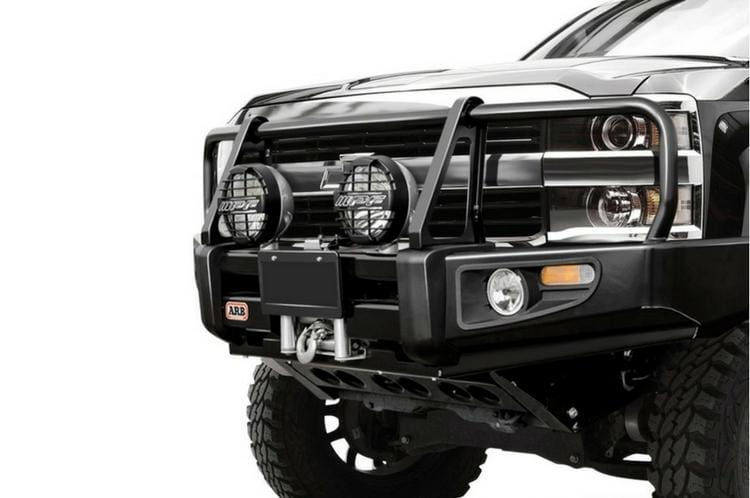
A hybrid bumper sits in a space that didn’t really exist a few years ago. It’s not a lightweight cosmetic bumper, nor is it a full-steel battering ram. It’s the result of builders realizing that Sprinters live in two worlds at once—highway miles and rough access roads—and the bumper needs to work in both without compromise.
So, what actually makes a bumper “hybrid”?
Built for Function, Not Extremes
Traditional bumpers tend to fall into two camps. Factory bumpers prioritize weight savings, sensors, and aerodynamics, but offer little protection off pavement. Full off-road bumpers prioritize strength above everything else, often adding significant weight and bulk that isn’t always necessary for a van.
A hybrid bumper splits the difference on purpose. It reinforces the areas that actually take hits—corners, leading edges, mounting points—while keeping overall weight and size in check. You get protection where it matters without turning the van into something it isn’t.
Designed Around How Sprinters Are Used
Sprinters aren’t rock crawlers. They’re long, heavy, and often fully loaded. That changes what “off-road” looks like. The most common impacts come from approach angles, breakovers, brush, and uneven terrain—not full-speed collisions with boulders.
Hybrid bumpers are shaped with that reality in mind. Better approach angles. Smarter clearance. Stronger structure at likely contact points. Less material where it doesn’t add value. The result is a bumper that works with the van’s geometry instead of fighting it.
Protection Without Losing Practicality
One of the biggest advantages of a hybrid bumper is that it preserves daily usability. Parking sensors still function. Airflow stays clean. Weight doesn’t overwhelm the front suspension. The van remains comfortable on long highway days, which still make up most of the miles.
At the same time, you’re not flinching every time the trail dips or the road gets rutted. That balance is the entire point.
Recovery and Accessories, Thoughtfully Integrated
Hybrid bumpers often include recovery points, light mounts, and accessory options—but they’re integrated, not stacked on as an afterthought. Recovery points are placed where loads make sense. Lights sit where they’re protected and useful. Everything feels intentional.
You’re not bolting a bunch of parts together and hoping they cooperate. The bumper is designed as a system.
Materials Matter More Than Size
A hybrid bumper isn’t defined by how thick the steel is. It’s defined by how the materials are used. Strategic reinforcement, proper mounting, and smart geometry do more than sheer mass ever could.
That’s why Sprinter hybrid bumpers tend to look clean and understated. The strength is there—you just don’t need to advertise it.
Why They’ve Become So Popular
As more people actually use their Sprinters off pavement, expectations have changed. Drivers want protection, but they also want drivability. They want confidence without excess.
A hybrid bumper delivers that middle ground. It doesn’t pretend the van is something it’s not. It simply prepares it for the reality of uneven terrain, long trips, and the occasional mistake.
Once you’ve driven with one, it’s hard to go back. The van feels more composed. The front end feels more honest. And you realize the best mods aren’t the loudest ones—they’re the ones that quietly let you keep going.



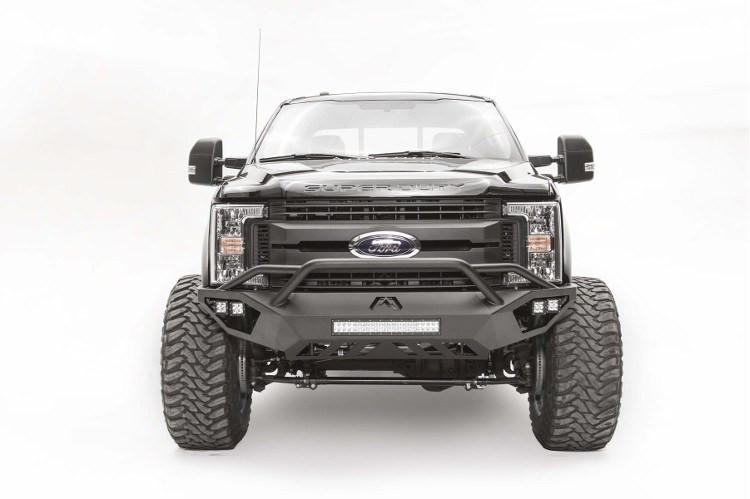
Road Armor Bumper ensures to provide you with the highest quality, strongest, best looking, best performing front and rear winch mount bumpers for your truck, jeep, or SUV.
When it comes to experience you won't find an aftermarket truck bumper manufacture with more hours on the job than Ranch Hand.
This leader in the aftermarket bumper industry first started making products in the year 1986.
Now more than 30 years has past and this South Texas company is favorite among off-road enthusiast .https://www.bumperonly.com/collections/road-armor-bumpers