Becoming a parent changes how you look at everyday life. A simple task like making tea, stepping out for groceries, or visiting the doctor suddenly needs planning. One of the biggest decisions new parents face early on is whether to rely more on a baby carrier or a stroller for daily use.
If you’re a parent in India — especially juggling tight spaces, crowded streets, and unpredictable routines — this decision matters even more. Let’s break it down honestly, from a parent’s point of view, with a strong focus on newborn to toddler babywearing.
What’s Trending in Baby Carriers (2025 – 2026)
In the last few years, babywearing has grown rapidly across India. Parents are moving towards handsfree baby carriers that fit into real Indian lifestyles — small homes, joint families, frequent travel, and daily household work.
Key Baby Carrier Trends Indian Parents Are Choosing:
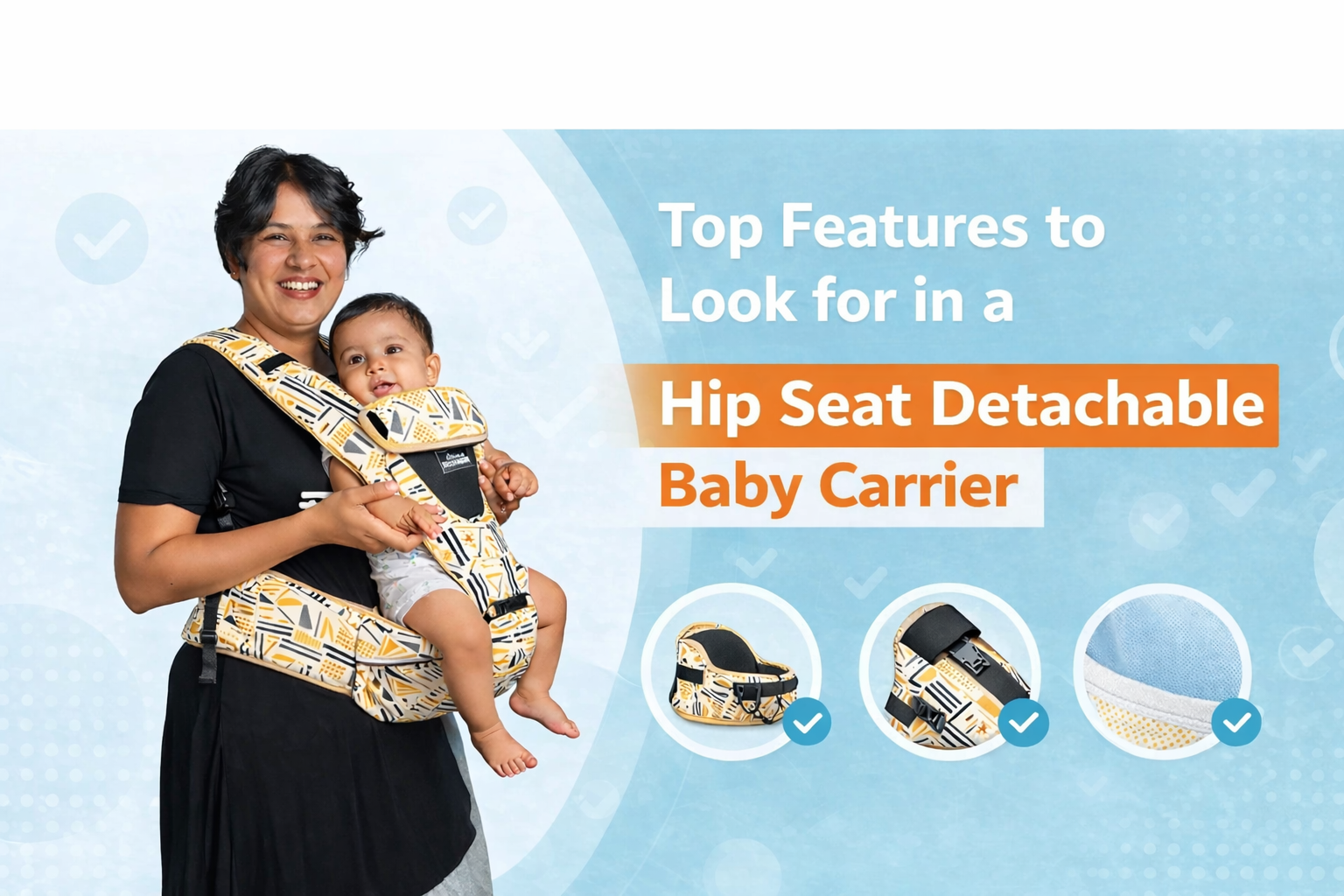
Ergonomic baby carriers that support the baby’s hips and spine
Lightweight, breathable fabrics suitable for Indian weather
Carriers that grow with the baby — from newborn baby carrier use to toddler stage
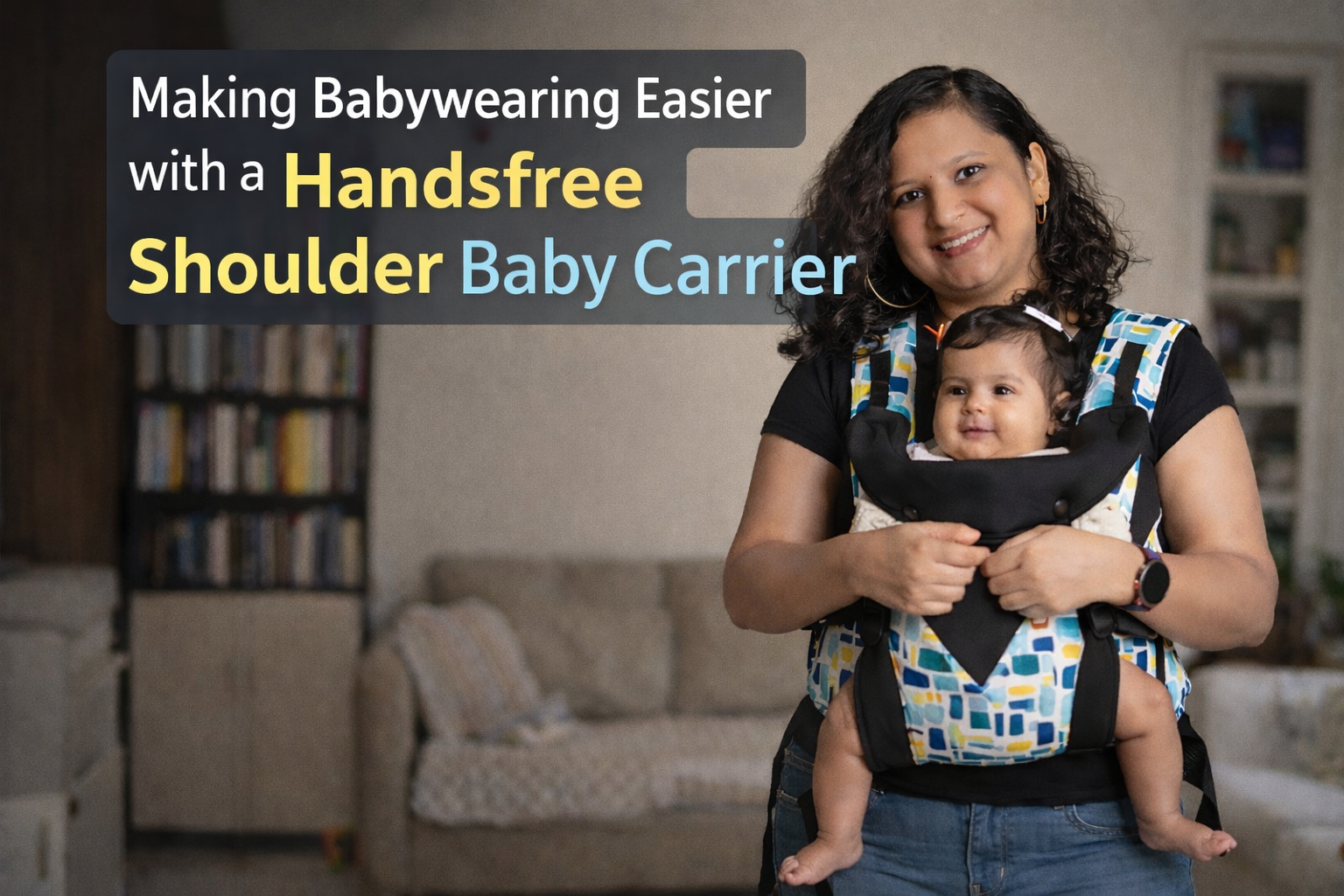
Handsfree designs that allow parents to cook, work, and move comfortably
More awareness around safe baby posture (M-position)
Parents today are not just buying a baby carrier — they’re choosing comfort, safety, and freedom.
Unique Features & Benefits of Modern Baby Carriers
A stroller has its place, but when it comes to everyday life, a comfortable baby carrier offers advantages that many parents don’t realise until they start using one.
1. True Handsfree Parenting
Imagine:
Cooking lunch while your baby sleeps peacefully on your chest
Folding clothes while gently rocking your baby
Attending video calls or managing a toddler alongside a newborn
A handsfree baby carrier allows movement without constantly stopping to soothe your baby.
2. Emotional Comfort for Babies
Babies love closeness. Being carried:
Reduces crying
Helps regulate breathing and body temperature
Supports better sleep
This is especially important for newborn baby carrier use during the first few months.
3. Easier Movement in Indian Settings
Let’s be honest — strollers don’t work well everywhere:
Narrow lanes
Uneven pavements
Autos, buses, stairs, and crowded marketsA baby carrier works effortlessly in real Indian conditions.
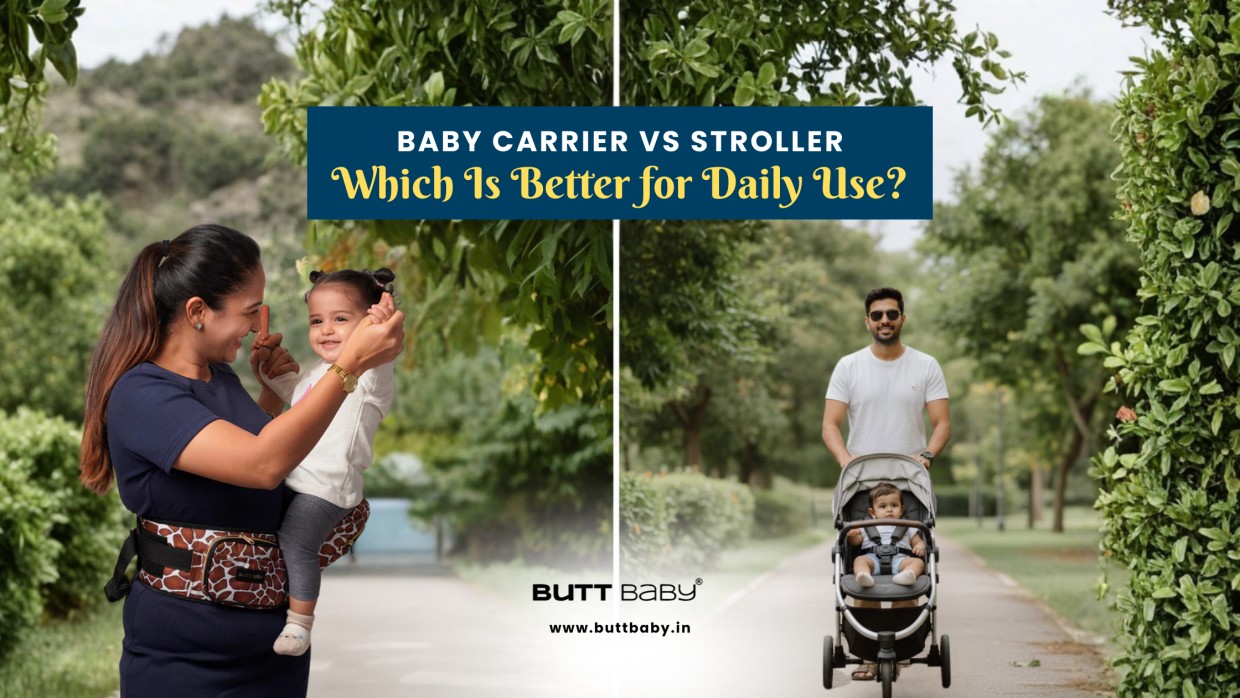
Baby Carrier Buyer’s Guide: Carrier vs Stroller for Daily Use
Here’s a simple comparison to help parents decide:

For short outdoor walks, strollers can help.
For daily life, most Indian parents find a baby carrier far more practical.
Why a Baby Carrier Works Better from Newborn to Toddler Stage
Newborn Phase (0–4 Months)
A newborn baby carrier supports:
Head and neck
Natural spine curve
Skin-to-skin comfortThis is when babies crave closeness the most.
Infant Stage (4–12 Months)
At this stage:
Babies want to observe the world
Parents need mobility
Weight distribution becomes importantAn ergonomic baby carrier helps reduce back and shoulder strain.
Toddler Stage (1–3 Years)
Toddlers want to walk — but only sometimes.A carrier helps during:
Travel
Crowded places
Long outings
When the child suddenly wants to be picked up
LittleBum Baby Carrier Focus (Parent Perspective)
As Indian parents, we look for products that fit our lifestyle — not just trends from abroad.
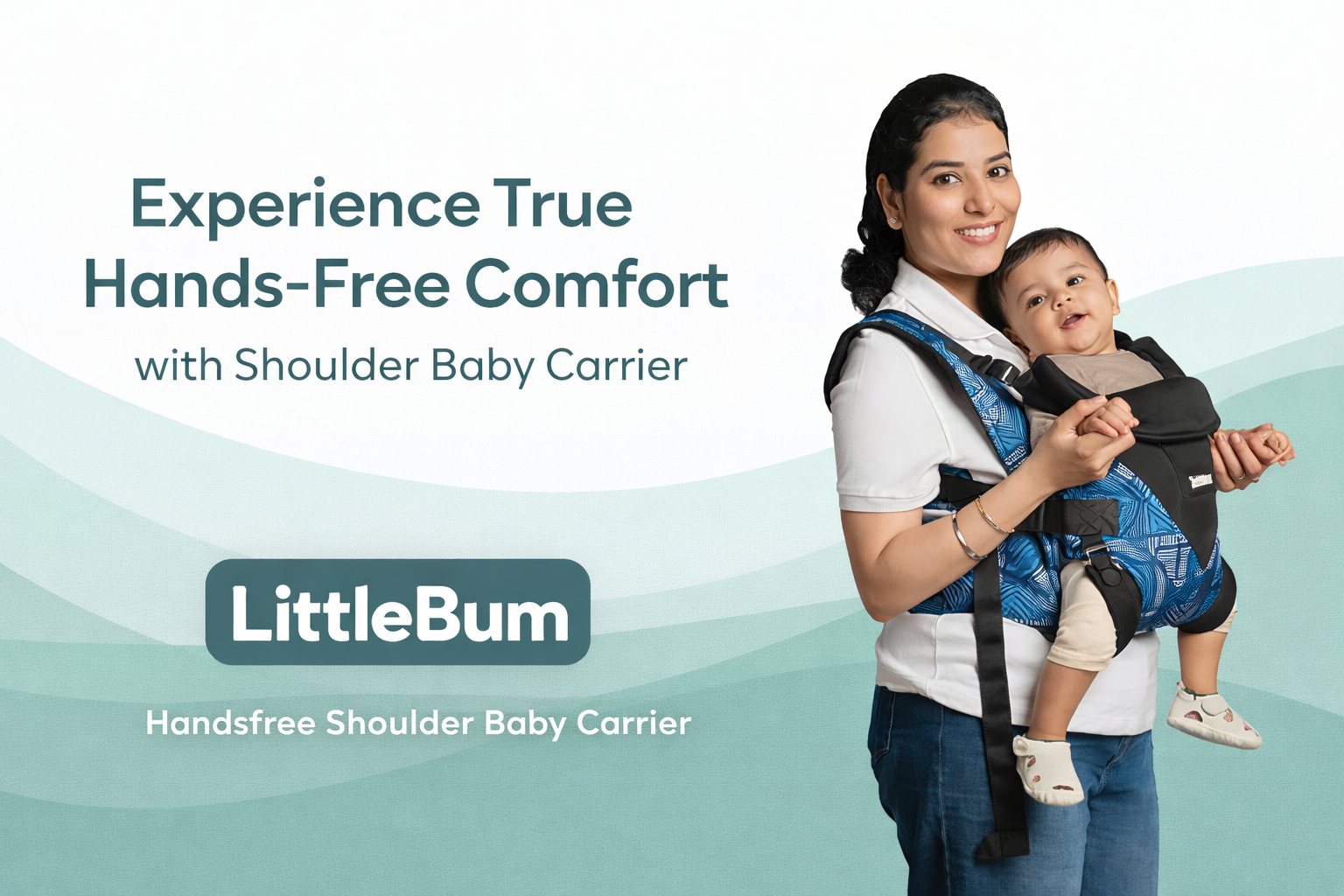
What parents appreciate about Littlebum baby carriers is their focus on:Ergonomic structure for baby’s hip health
Comfortable padding for parents
Handsfree usability for daily chores
Designs suitable for Indian climate
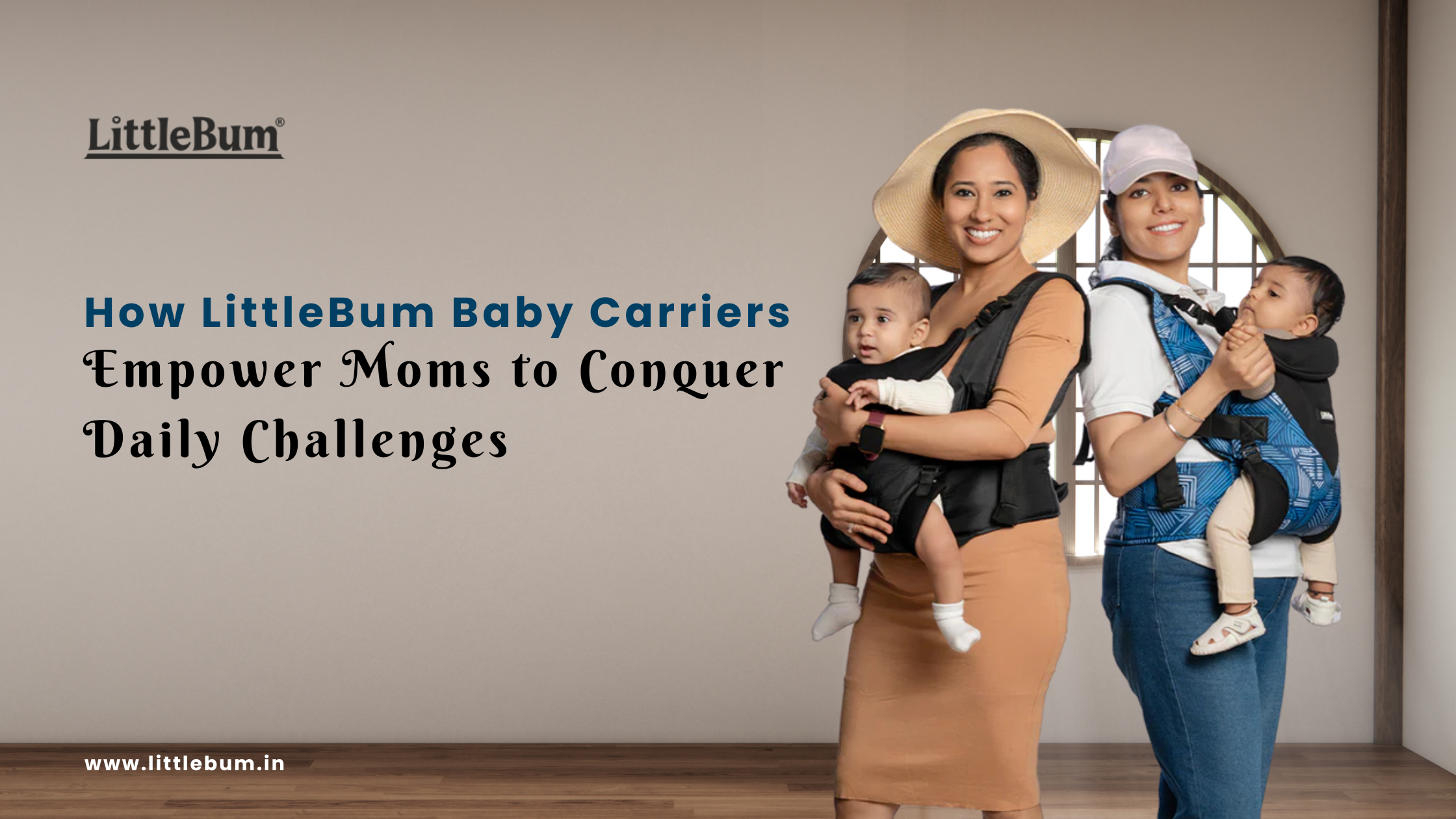
Littlebum carriers are designed keeping Indian parents in mind — from Gujarat to other parts of the country — where heat, daily movement, and family routines matter.
Real-World Parenting Use Cases Indian Parents Relate To
🏠 At HomeCooking while baby sleeps in the carrier
Managing household chores without putting the baby down
Helping older siblings with homework
🚕 Travel & OutingsDoctor visits
Vaccination days
Airports, bus stands, temples, and malls
Family gatherings🏥 Hospital & Emergency Visits
Carriers make it easier to:
Hold documents
Walk between departments
Comfort a crying baby instantlyThis is where strollers often fall short.
Usage, Safety & Maintenance Tips Every Parent Should Know
Correct Posture Matters
Always ensure:Baby’s knees are higher than the bottom (M-position)
Baby’s face is visible and close enough to kiss
Back is supported naturally Comfort Tips for ParentsAdjust straps evenly
Distribute weight across shoulders and waist
Choose breathable fabric, especially in summerMaintenanceFollow washing instructions
Avoid harsh detergents
Air-dry for longer life
A comfortable baby carrier lasts longer when cared for properly.
Conclusion: Which Is Better for Daily Use?
For Indian parents managing real-world routines — cooking, travelling, caring for family, and moving through busy environments — a baby carrier simply fits better into daily life.
A stroller may help occasionally, but a handsfree, ergonomic, and comfortable baby carrier becomes a daily parenting companion.
If you’re looking for:
Freedom of movement
Emotional bonding
Practical comfort
Long-term usabilityA baby carrier is not just a product — it’s support for your parenting journey.
Ready to Make Daily Parenting Easier?
Explore thoughtfully designed baby carriers made for Indian parents — from newborn cuddles to toddler adventures — and experience handsfree comfort every day.
Your arms deserve support. Your baby deserves closeness. 💛
FAQs – People Also Ask (Google Optimised)
Is a baby carrier safe for newborns?
Yes, when used correctly. A newborn baby carrier that supports the head, neck, and spine is safe and comforting.
How long can a baby stay in a carrier?
Babies can stay in a carrier for a few hours a day, with breaks for feeding and diaper changes.
Do baby carriers cause hip problems?
No. An ergonomic baby carrier that supports the M-position actually helps healthy hip development.
Is a baby carrier better than a stroller for daily use?
For Indian parents, yes. A baby carrier offers better mobility, bonding, and practicality for everyday routines.
Can I use the same baby carrier as my baby grows?
Many modern carriers are designed for newborn to toddler use with adjustable settings.