
Let’s be honest for a second. When people hear “insurance coverage options,” excitement is not the emotion that comes to mind. It’s more like mild confusion… maybe a sigh… possibly a tab getting closed. And yet—somewhere between your coffee cooling down and your phone buzzing—you realize this stuff actually matters.
Especially when it comes to home insurance.
So instead of listing every possible add-on and hoping it sticks, let’s talk about the home insurance coverage options that actually make sense—the ones real homeowners understand, use, and benefit from. No fluff. No overthinking. Just practical protection.
Start With the Basics (Because They Matter More Than You Think)
Every home insurance policy starts with a foundation. Skip this, and nothing else really works.
Dwelling Coverage
This is the core of your home insurance. It covers the structure of your home—walls, roof, foundation, built-in appliances—if they’re damaged by a covered event like fire, wind, or certain types of water damage.
Quick side note: this is about rebuilding cost, not what you paid for the house or what Zillow says it’s worth today. Those numbers are rarely the same.
If you only focus on one coverage option, make it this one.
Personal Property Coverage: Protecting the Stuff You Actually Use
Think about everything inside your home for a moment. Furniture. Electronics. Clothes. Kitchen items you slowly collected over time. That adds up fast.
Personal property coverage helps replace your belongings if they’re stolen, damaged, or destroyed by a covered event.
Most policies cover personal property at a percentage of your dwelling coverage—but it’s worth checking if that amount realistically matches your lifestyle.
Small pause here—if you own high-value items like jewelry, art, or specialty equipment, you may need extra coverage. Standard limits can be surprisingly low.
Liability Coverage: The One People Forget (Until They Need It)
Liability coverage doesn’t get much attention. Until something happens.
If someone gets injured on your property and you’re found legally responsible, liability coverage helps pay for medical expenses, legal fees, and settlements.
This could be:
A guest slipping on icy steps
A delivery driver getting hurt
Even damage caused by a pet
It’s one of the most affordable parts of home insurance—and one of the smartest to have adequate limits on. Because lawsuits? They escalate quickly.
Additional Living Expenses: Quietly Essential
Imagine this: a fire or major water issue makes your home temporarily unlivable. You still need somewhere to stay. You still need to eat. Life doesn’t pause just because your house does.
Additional Living Expenses (ALE) coverage helps pay for:
Temporary housing
Meals
Extra transportation costs
It’s one of those coverage options you hope you never use—but when you do, you’ll be incredibly grateful it exists.
Optional Coverage Add-Ons That Make Sense
Now we’re getting into the “optional” territory—but some of these options are worth serious consideration.
Flood Insurance
Standard home insurance does not cover flood damage. Even moderate-risk areas can experience flooding due to heavy rain or drainage issues.
If flooding is a possibility where you live, this isn’t an extra—it’s essential.
Sewer Backup Coverage
Not glamorous. Very practical.
This coverage helps protect against damage caused by backed-up drains or sewer systems. And yes, cleanup can be expensive. Very expensive.
Replacement Cost Coverage
This option ensures your belongings are replaced at today’s cost, not their depreciated value.
Because no one wants to be reimbursed for a five-year-old TV at five-year-old prices.
Coverage Options That Don’t Always Make Sense
Let’s be real—not every add-on is necessary for every homeowner.
Some coverage options may overlap with warranties, offer minimal benefits, or simply not align with your risk level. This doesn’t mean they’re bad—it just means they’re situational.
The key is understanding what you’re paying for and whether it realistically applies to your home and lifestyle.
How to Choose the Right Home Insurance Coverage
Here’s the slightly boring—but extremely useful—truth: the best home insurance coverage isn’t about having everything. It’s about having the right balance.
Ask yourself:
What risks are most likely in my area?
What would be hardest to replace out of pocket?
How much financial protection do I actually need?
And yes—compare policies. Ask questions. Adjust coverage as your life changes.
Final Thoughts
Home insurance doesn’t have to be complicated or overwhelming. When you strip away the jargon, it comes down to protecting your home, your belongings, and your financial well-being.
The coverage options that actually make sense are the ones that fit your home, your risks, and your peace of mind. Once you understand that, everything else becomes much easier.
And then you can go back to the truly important decisions—like whether that extra room is an office… or just future storage. Because somehow, it always becomes storage.



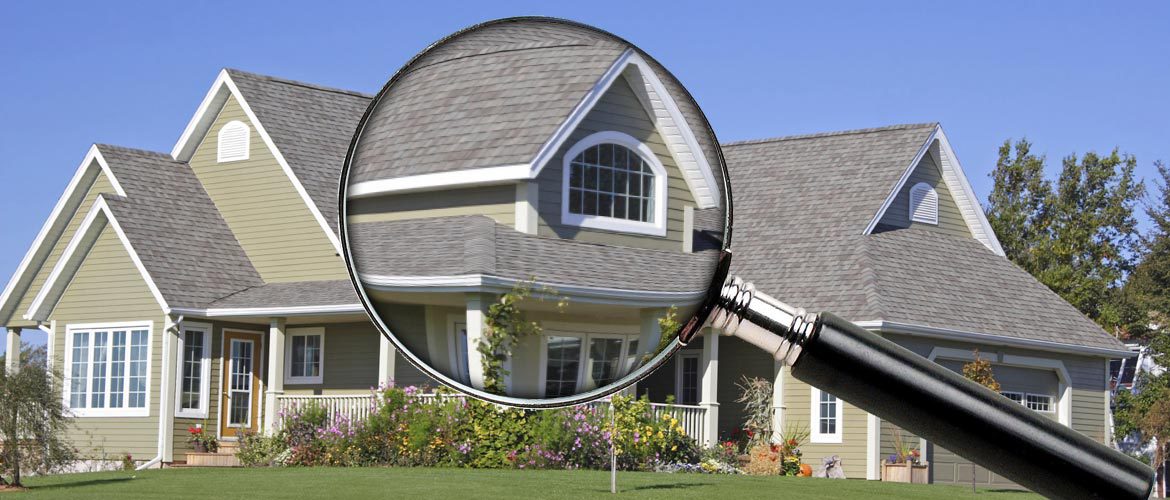
Home Inspector In Sea Cliff NYHome Inspector In Sea Cliff NY When buying a home, you need to know the condition of the property - your investment.
We are here for you.Please Visit Our Websitehttp://higherelevationsllc.com/home-inspector-in-sea-cliff-ny/#Home-Inspector-In-Sea-Cliff-NY