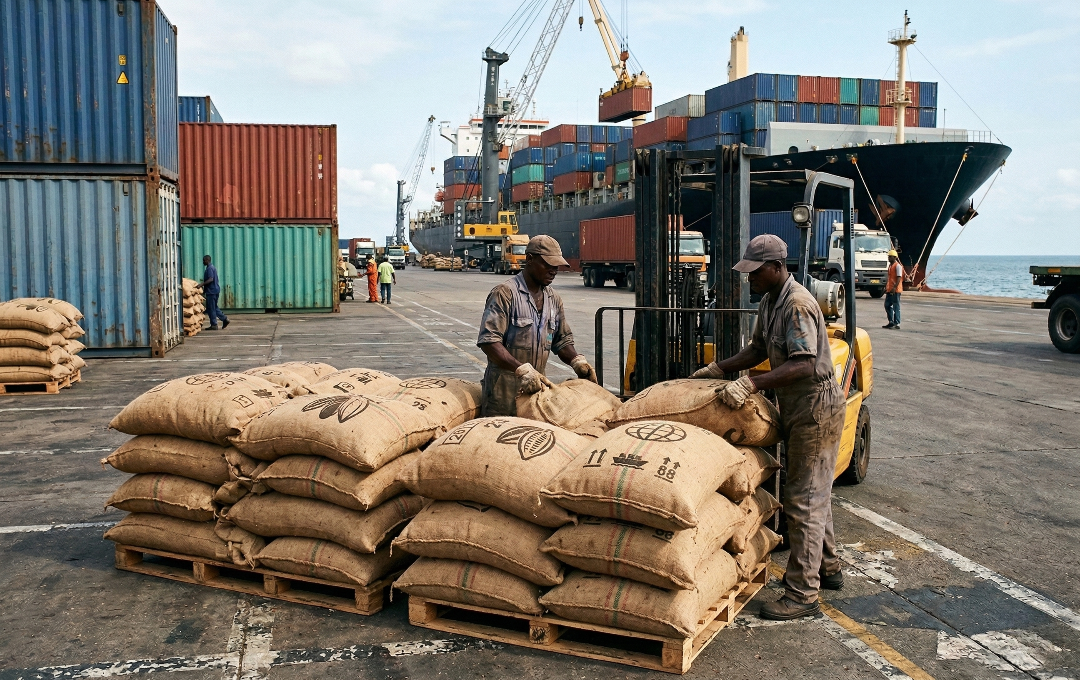
Japan is globally recognized for its advanced manufacturing, technology exports, and industrial efficiency. However, behind this strong export-driven image lies a critical reality: Japan is one of the world’s most import-dependent developed economies.
As of 2026, imports continue to play a central role in supporting Japan’s energy needs, food security, and industrial production. Understanding this structure offers valuable insight into how Japan sustains economic stability despite limited natural resources.
Structural Reasons Behind Japan’s Import Dependence
Japan’s reliance on imports is not a short-term imbalance but a long-standing structural condition. The country faces geographic and resource limitations that restrict domestic production in several key sectors.
Major contributing factors include:
Lack of domestic fossil fuel reserves
Limited agricultural land relative to population size
High industrial demand for raw materials
Dependence on global maritime trade networks
These constraints make imports essential rather than optional for Japan’s economic functioning.
Key Import Categories Supporting Japan
Energy imports form the foundation of Japan’s import system. Crude oil and natural gas are required for electricity generation, transportation, and industrial operations. Despite progress in renewable energy, fuel imports remain critical through 2026.
Food and agricultural imports ensure dietary stability and price control. Japan sources grains, edible oils, meat, seafood, and processed food inputs from global suppliers to meet domestic consumption needs.
Industrial materials and components support Japan’s manufacturing ecosystem. Chemicals, metals, plastics, and electronic components are imported to feed sectors such as automotive, electronics, construction, and heavy engineering.
Shifts in Japan’s Import Strategy
In recent years, Japan has refined its import strategy to prioritize resilience and reliability. By 2026, importers place greater emphasis on:
Long-term supplier relationships
Diversified sourcing across regions
Compliance with quality and documentation standards
Supply chain continuity over lowest-cost procurement
This shift reflects lessons learned from global supply chain disruptions and market volatility.
Why Japan’s Import Market Matters Globally
Japan remains one of the most stable and high-volume import markets in the world. Its preference for consistency, transparency, and long-term trade partnerships makes it an attractive destination for reliable global suppliers.
For businesses and analysts tracking international trade trends, Japan’s import model demonstrates how advanced economies manage supply limitations while maintaining industrial competitiveness.
Trade intelligence platforms such as Exporters Worlds regularly examine these global trade patterns, helping businesses better understand evolving import–export dynamics.
Conclusion
Japan’s imports are a strategic necessity that underpin the country’s economic strength. In 2026, energy, food, and industrial inputs continue to flow into Japan through a carefully managed import system designed for stability and long-term resilience.
Understanding this structure provides a clearer picture of how Japan remains one of the world’s most efficient and dependable trade economies.