


The international cocoa trade plays a vital role in the global food and confectionery industries. Cocoa beans are the primary raw material used in chocolate production, and demand for cocoa-based products continues to grow worldwide. From large chocolate manufacturers to specialty food producers, businesses across the globe rely on a steady supply of high-quality cocoa beans.
However, sourcing cocoa beans internationally can be challenging for importers who are entering the market or expanding their supplier networks. Cocoa is produced in several regions around the world, and buyers must identify exporters who can consistently meet quality standards, delivery schedules, and trade requirements.
In recent years, the way businesses connect with cocoa suppliers has evolved significantly. Digital trade platforms, international sourcing networks, and global B2B marketplaces now play a major role in helping buyers identify credible exporters and establish reliable supply chains.
Understanding how these systems work can help importers navigate the cocoa market more effectively.
The Global Cocoa Trade and Its Key Regions
Cocoa beans are grown primarily in tropical regions where climate conditions support cocoa cultivation. West Africa remains the largest producing region, with Côte d’Ivoire and Ghana responsible for a major share of global production. Other important cocoa-producing countries include Ecuador, Nigeria, Indonesia, Brazil, and Peru.
Once harvested, cocoa beans go through several stages before reaching international buyers.
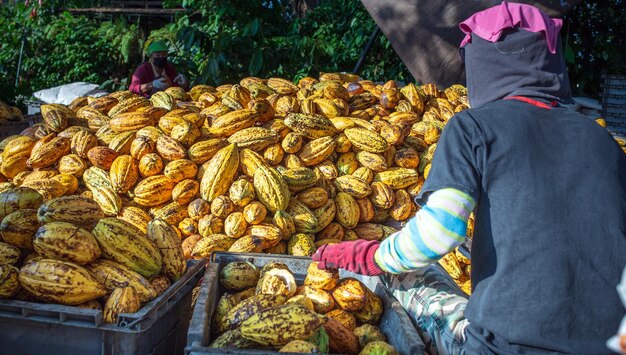
First, farmers harvest cocoa pods and extract the beans. These beans are then fermented and dried to develop their characteristic flavor. After this stage, local traders or cooperatives collect the beans from farms and prepare them for export.
Export companies purchase these beans, grade them according to international standards, package them for shipping, and arrange logistics for international transport.
From there, cocoa beans are shipped to importing markets around the world where they are processed into cocoa liquor, cocoa butter, and cocoa powder used in chocolate production.
Because this supply chain involves many participants, buyers must ensure they are working with reliable exporters who understand international trade requirements.
Why Reliable Cocoa Suppliers Matter for Importers
For businesses that depend on cocoa as a raw material, supply chain reliability is extremely important. Chocolate manufacturers and food processors must maintain steady production schedules, and any disruption in cocoa supply can affect manufacturing timelines.
Working with unreliable suppliers can result in several challenges:
Shipment delays that disrupt production
Inconsistent bean quality affecting product standards
Documentation errors that delay customs clearance
Supply shortages during periods of increased demand
Reliable exporters help reduce these risks by maintaining proper quality control systems, efficient logistics operations, and transparent communication with buyers.
Importers therefore spend considerable time researching potential suppliers before establishing long-term trading relationships.
Key Factors Importers Evaluate When Selecting Cocoa Exporters
Professional cocoa buyers typically assess suppliers based on several important criteria. These factors help determine whether an exporter is capable of delivering consistent shipments and maintaining reliable trade relationships.
Cocoa Bean Quality
Quality is one of the most important aspects of cocoa sourcing. Buyers examine factors such as fermentation levels, moisture content, bean size, and defect percentage.
Proper fermentation enhances the flavor profile of cocoa beans, while controlled moisture levels prevent spoilage during storage and shipping. Suppliers who maintain strong quality control procedures are more likely to deliver cocoa beans that meet international processing standards.
Exporters often provide inspection reports or laboratory testing results to confirm the quality of their shipments.
Export Experience and Trade Capability
Exporters with significant experience in international trade tend to manage shipments more efficiently and understand the expectations of global buyers.
Importers often prefer suppliers who have:
A track record of exporting cocoa beans internationally
Established relationships with freight forwarding companies
Access to major shipping ports
Knowledge of documentation and regulatory requirements
These factors help ensure smoother transactions and fewer complications during shipping.
Documentation and Compliance
International cocoa shipments require proper documentation to comply with customs regulations and trade standards.
Typical export documents include:
Certificate of origin
Phytosanitary certificate
Commercial invoice
Packing list
Bill of lading
Exporters who understand these requirements can prepare shipments efficiently and help prevent delays at ports of entry.
Supply Capacity and Consistency
Large cocoa buyers usually require consistent shipments throughout the year rather than occasional spot purchases. Exporters must therefore demonstrate that they have the sourcing capacity to meet long-term demand.
Suppliers often show their capacity through:
Partnerships with farmer cooperatives
Access to storage warehouses
Established sourcing networks
Historical export volumes
Exporters who maintain stable sourcing relationships are better equipped to fulfill long-term supply agreements.
How Digital Platforms Are Changing Cocoa Sourcing
Traditionally, cocoa buyers relied on brokers, trade fairs, and industry contacts to locate suppliers. While these methods remain valuable, modern digital trade platforms have significantly expanded the ways businesses discover exporters.
Online marketplaces now allow suppliers to present detailed company profiles, product information, and export capabilities. Buyers can compare suppliers across multiple countries, evaluate credibility, and initiate conversations with potential trading partners.
Platforms such as the Exporters Worlds B2B marketplace bring together exporters and importers from various commodity sectors, enabling businesses to explore new supplier networks and expand their global trade opportunities.
These digital ecosystems help reduce the time and effort required to identify potential suppliers while improving transparency in international sourcing.
Logistics and International Shipping Considerations
Shipping cocoa beans internationally requires careful planning and coordination. Cocoa beans are typically packed in jute bags and transported in shipping containers via sea freight.
Exporters must ensure that beans are properly dried, packaged, and stored before shipment. Poor storage conditions can lead to quality deterioration during transit.
Importers evaluate suppliers based on several logistics factors, including shipping routes, container handling procedures, transit times, and coordination with freight forwarding companies.
Suppliers who maintain efficient logistics operations are more likely to deliver shipments on time and in good condition.
Building Long-Term Cocoa Trade Partnerships
Once importers identify reliable exporters, many relationships evolve into long-term partnerships. These partnerships create stability for both buyers and suppliers.
Importers gain consistent access to high-quality cocoa beans, while exporters benefit from regular orders and stable international clients.
Strong partnerships also encourage collaboration on quality improvements, sustainability initiatives, and supply chain efficiency.
In a competitive global market, maintaining these relationships often becomes a key factor in long-term business success.
Conclusion
The global cocoa market continues to expand as demand for chocolate and cocoa-based products grows worldwide. For importers, successfully sourcing cocoa beans requires careful evaluation of suppliers, understanding of international trade procedures, and reliable logistics management.
Modern sourcing networks and digital trade platforms have made it easier for businesses to connect with exporters and explore new supply opportunities.
By combining traditional supplier evaluation methods with modern digital marketplaces, companies can build stronger sourcing strategies and establish dependable cocoa supply chains that support long-term growth in the global food industry.


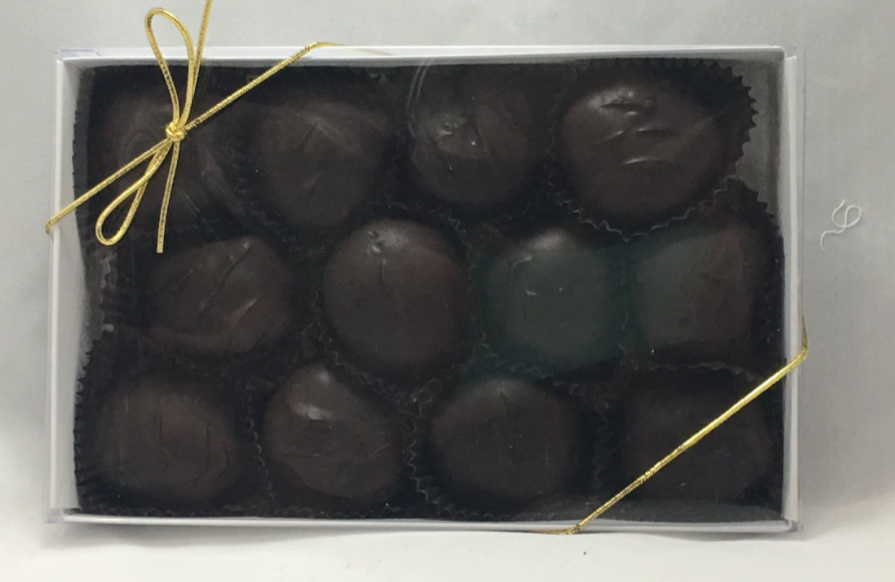
Sweet Chocolat is a one-stop-shop for the unique chocolate selection.
Here at Sweet Chocolat, our home-made chocolate turtles are made from premium ingredients such as cocoa beans, cocoa butter, sugar, and milk powder.